DR Congo backs Julianna Lumumba in bid to lead the Francophonie
The race to lead the Francophonie is becoming a diplomatic showdown. DR Congo has mobilised its Parliament and diplomats to back Julianna Lumumba against Rwanda's Louise Mushikiwabo.

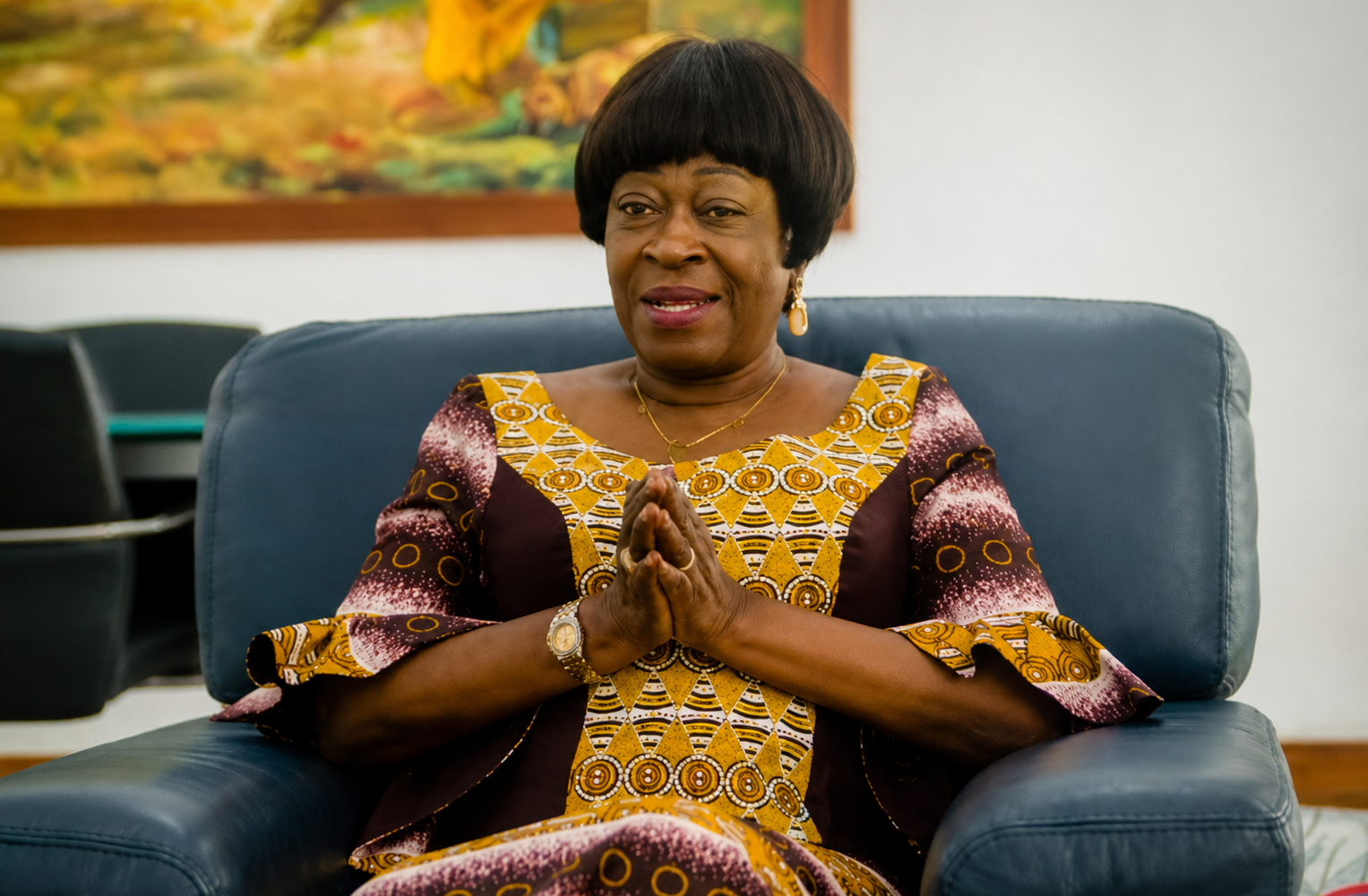
The Democratic Republic of Congo has officially launched its campaign to help Julianna Lumumba become the next secretary-general of the Organisation internationale de la Francophonie (OIF), setting up a direct contest with Rwanda’s Louise Mushikiwabo, who is seeking another term.
On Saturday, Congo’s National Assembly voted to support Lumumba’s candidacy and asked the government to actively campaign for her across the French-speaking world.
The resolution calls on Congolese diplomats to lobby other OIF member countries ahead of the election. It also requires the government to report back to Parliament before 16 November on the progress of its campaign.
The move shows that Kinshasa sees the race as more than just an election for an international organisation.
Relations between DR Congo and Rwanda remain tense because of the conflict in eastern Congo. Kinshasa has repeatedly accused Kigali of supporting the M23 rebel group, an accusation Rwanda denies. Against that backdrop, the race for the OIF’s top job has taken on a political dimension.
Julianna Lumumba is the daughter of Patrice Emery Lumumba, Congo’s first prime minister and one of Africa’s best-known independence leaders. Her family name carries strong symbolic value, and the government hopes it will strengthen the country’s influence within the Francophone community.
Her main rival is Louise Mushikiwabo, Rwanda’s former foreign minister, who has led the OIF since 2019. She is now seeking a third term.
Two other candidates are also in the running: Mauritania’s Coumba Ba and former Romanian prime minister Dacian Cioloș.
The election will take place on 16 November during the 19th Francophonie Summit in Phnom Penh, Cambodia.
Saturday’s parliamentary session was not only about the OIF race.
Lawmakers also passed two important bills that had already been approved by the Senate. One creates a legal framework for Congo’s stock market, while the other sets tax rules for collaboration agreements.
Closing the session, National Assembly Speaker Aimé Boji Sangara called it “historic”. He said it was the first time since the start of the Third Republic that lawmakers had debated and passed all 25 bills on their agenda.