Burundi tightens border watch as Ebola toll climbs in neighbouring DRC
On August 31, border surveillance agents gathered in Bujumbura for specialised training, the latest step in a prevention drive the government hopes will keep the outbreak from ever crossing the frontier.

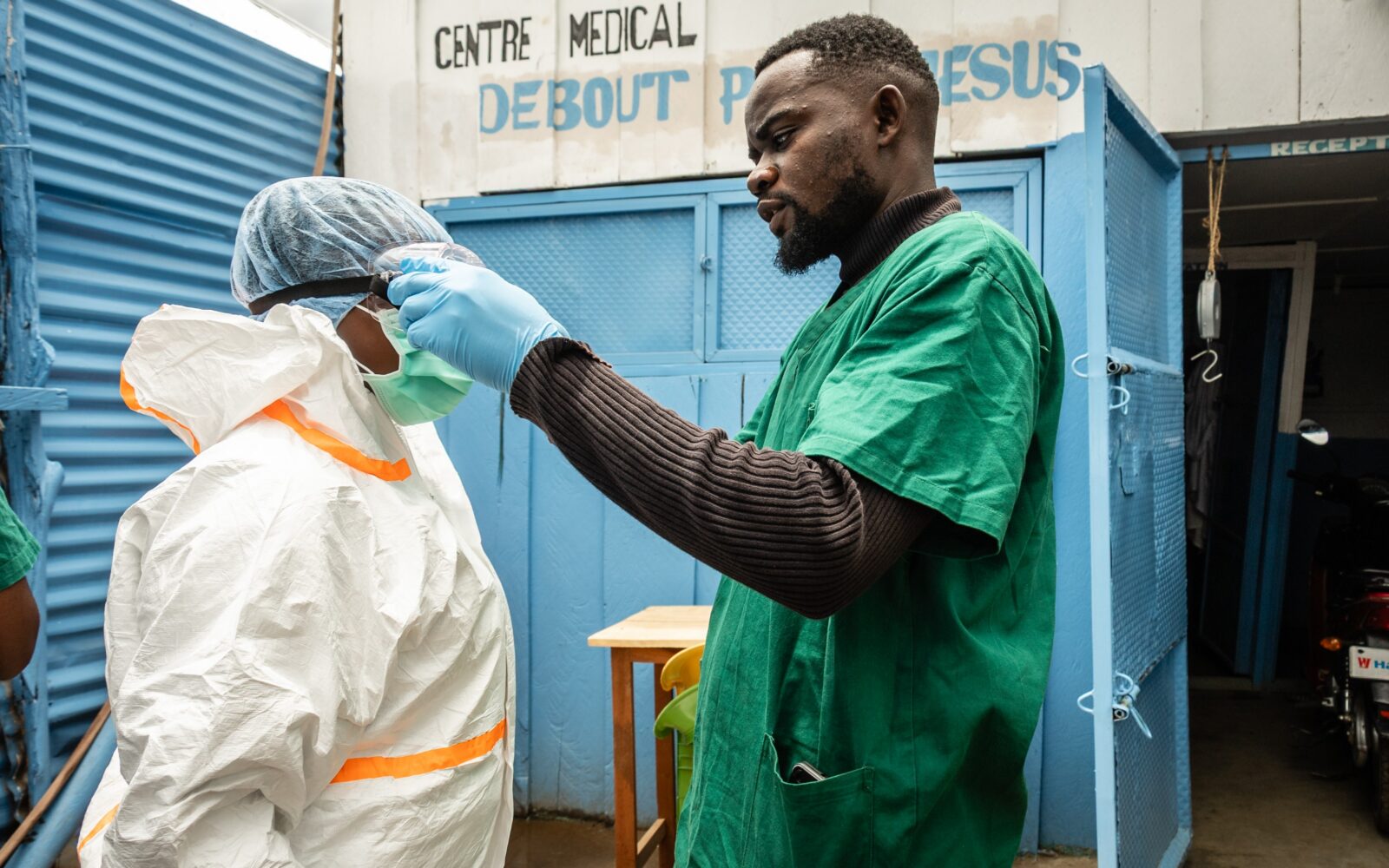
The Democratic Republic of Congo continues to grapple with an Ebola outbreak that has claimed thousands of lives since mid-May, and while Burundi has so far been spared a single confirmed case, authorities in Bujumbura are moving to ensure it stays that way.
According to the latest figures released by the Africa Centres for Disease Control and Prevention, 5,974 people have been infected and 2,786 have died from the virus in the DRC since May 15. The scale of the epidemic has put health authorities across the region on alert, none more so than in Burundi, which shares a long and porous border with its neighbour.
On August 31, the Burundian Ministry of Public Health, working alongside Africa CDC, brought together border surveillance agents in Bujumbura for a dedicated training session. The gathering builds on earlier sessions held for community health workers in the provinces that border the DRC, part of a broader effort to build a layered system of detection before the virus can cross into Burundian territory.
Speaking at the session, the Minister of Public Health, Fidèle Nkezabahizi, said the aim was to sharpen agents’ ability to quickly identify travellers arriving from neighbouring countries and to ensure they are properly trained in the equipment needed to screen for the disease. Reinforcing these frontline skills, he suggested, is central to keeping the virus out rather than having to contain it once inside.

Jean Bosco Girukwishaka, Africa CDC’s representative in Burundi, was blunter about the stakes. He described the outbreak’s spread in the DRC as a genuine source of concern for the wider region, singling out Burundi as one of the countries most exposed to the risk given its proximity and the volume of cross-border movement.
Girukwishaka also underlined a sobering reality: there is currently no specific treatment for the disease. In the absence of a cure, he said, the burden falls on prevention, and he urged the population to follow health guidance closely, from hygiene practices to reporting suspected symptoms without delay.
For now, Burundi’s Ebola case count remains at zero. But with the epidemic still active just across the border, health officials are treating that figure as a fragile achievement rather than a guarantee, and one that depends on vigilance holding at every crossing point.