African leaders urge urgent action as Ebola outbreak spreads across DR Congo and Uganda
With more than 800 confirmed infections and no approved vaccine for the strain responsible, African leaders have issued an urgent appeal for international support as a rapidly expanding Ebola outbreak threatens to overwhelm health systems in parts of Central Africa.

African leaders have launched an emergency appeal for funding and international support after an Ebola outbreak in Central Africa infected more than 800 people and claimed nearly 200 lives in just one month.
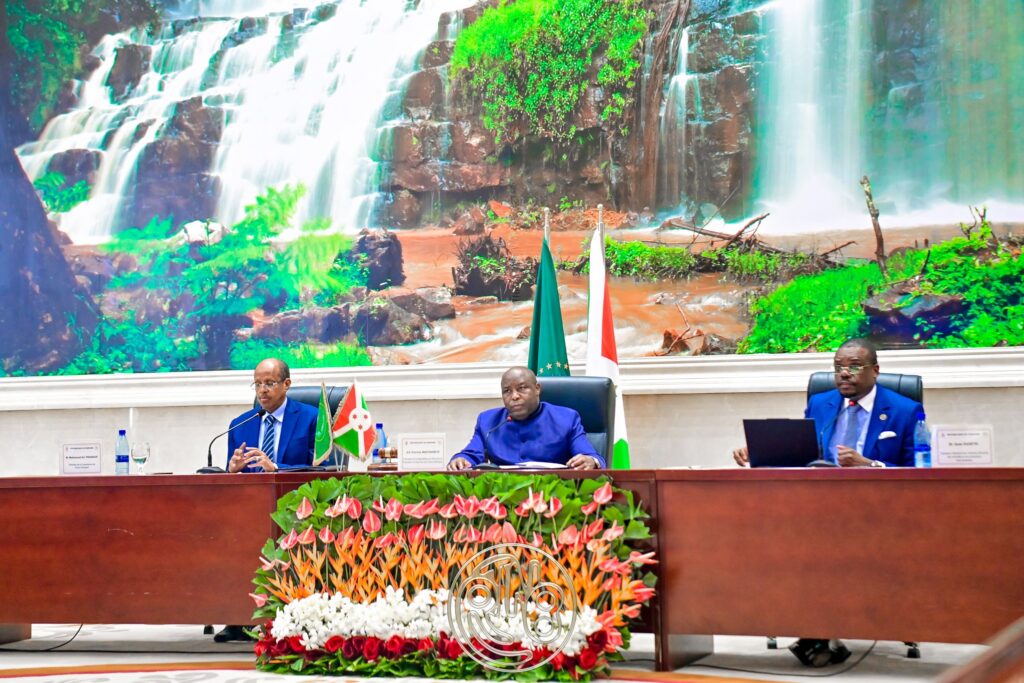
Speaking at a high-level virtual summit on Tuesday, leaders from across the continent warned that the outbreak, centred in the Democratic Republic of Congo and neighbouring Uganda, risks becoming a wider regional crisis unless governments and international donors move swiftly to close a major funding shortfall.
The outbreak, caused by the Bundibugyo strain of the Ebola virus, has already spread across 27 health zones in eastern Congo and one district in Uganda. According to figures presented during the meeting, 827 confirmed cases and 194 deaths had been recorded by June 15, with health authorities expressing growing concern over infections among frontline medical workers.
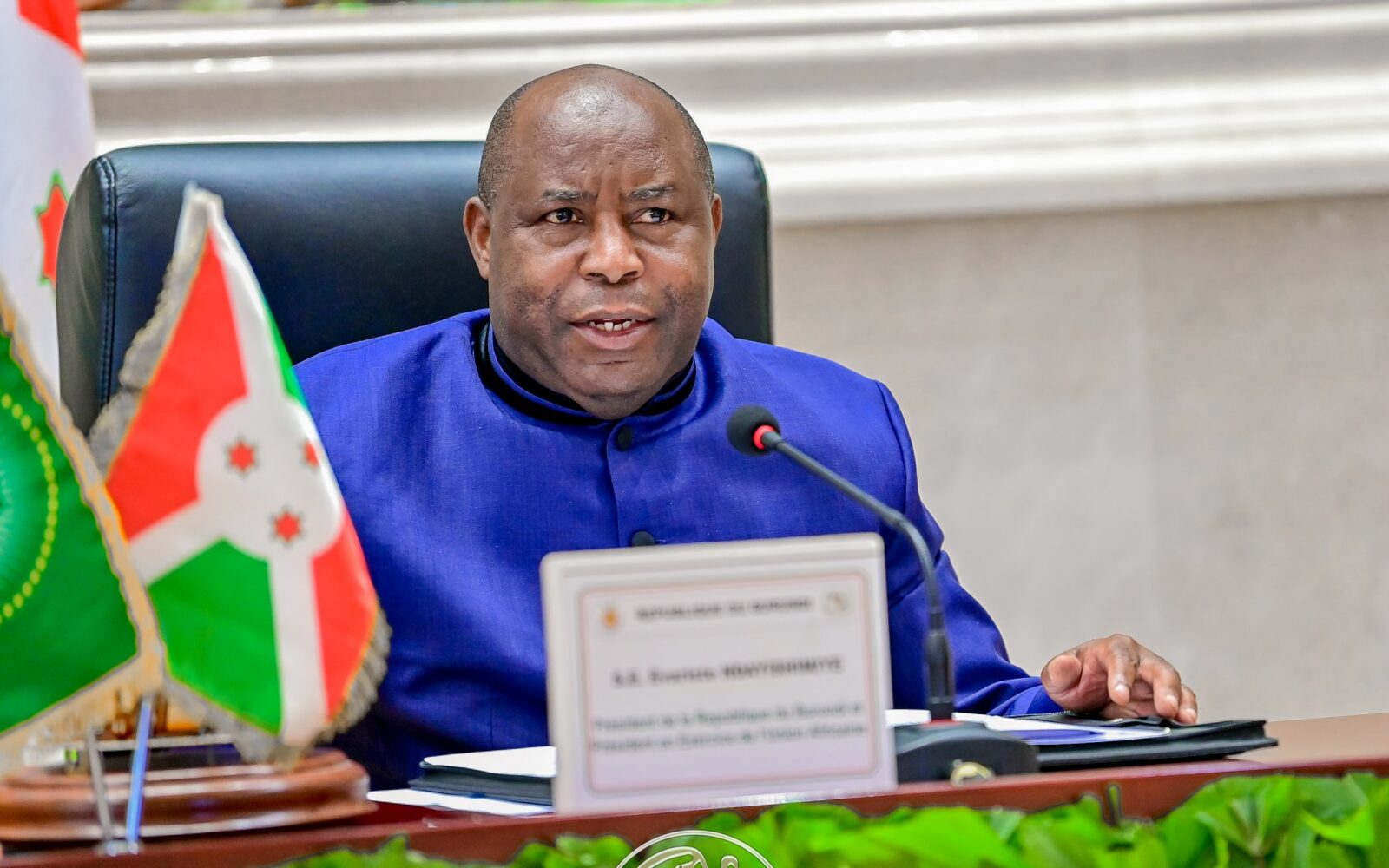
Addressing heads of state, regional leaders and international partners, the summit host, Burundian President Evariste Ndayishimiye described the situation as a test of Africa’s collective ability to confront a public health emergency that transcends national borders.
“No fragmented response will be enough,” participants were told, as leaders called for a coordinated continental effort to prevent the outbreak from escalating further.
The appeal comes as health authorities struggle with insecurity in parts of eastern Congo, large-scale cross-border population movements and the absence of vaccines or treatments specifically approved for the Bundibugyo strain. Officials also warned that treatment centres are under pressure, contact-tracing operations remain difficult and mistrust among some communities continues to hamper response efforts.
At the centre of the discussions was a joint Africa CDC and World Health Organisation response plan estimated to cost $518 million. Yet while donors have pledged more than $200 million, less than half that amount has actually been received, creating what officials described as a dangerous gap between commitments and resources on the ground.
Leaders urged African governments, financial institutions and private sector organisations to contribute at least $100 million themselves, arguing that the continent must demonstrate leadership in confronting the crisis while encouraging international partners to increase their support.
Officials also pushed back against calls for travel bans and border closures, warning that such measures could disrupt the movement of health workers, humanitarian supplies and laboratory samples. Africa CDC guidance maintains that the outbreak can be contained through surveillance, testing, contact tracing and targeted public health interventions rather than sweeping restrictions on travel and trade.
“Let us be guided by science, not fear,” leaders said, stressing that Ebola is not an airborne disease and that the risk of wider international spread remains low when proper control measures are in place.
The summit concluded with calls for weekly monitoring of funding pledges and operational commitments, reflecting growing concern that delays in delivering promised resources could undermine efforts to contain the outbreak before it spreads further across the region.
For Africa’s public health authorities, the stakes extend beyond the current emergency. The outbreak has become a test of whether the continent can mobilise rapidly against emerging health threats while reducing dependence on external intervention — a challenge that many leaders argue will define Africa’s future health security.