Kabila takes command of Congo’s rebels in Goma
Sentenced to death in absentia a year ago, the former president will now lead a new political and military front built on the AFC/M23 rebellion, dropping years of denials that he was tied to the insurgents.

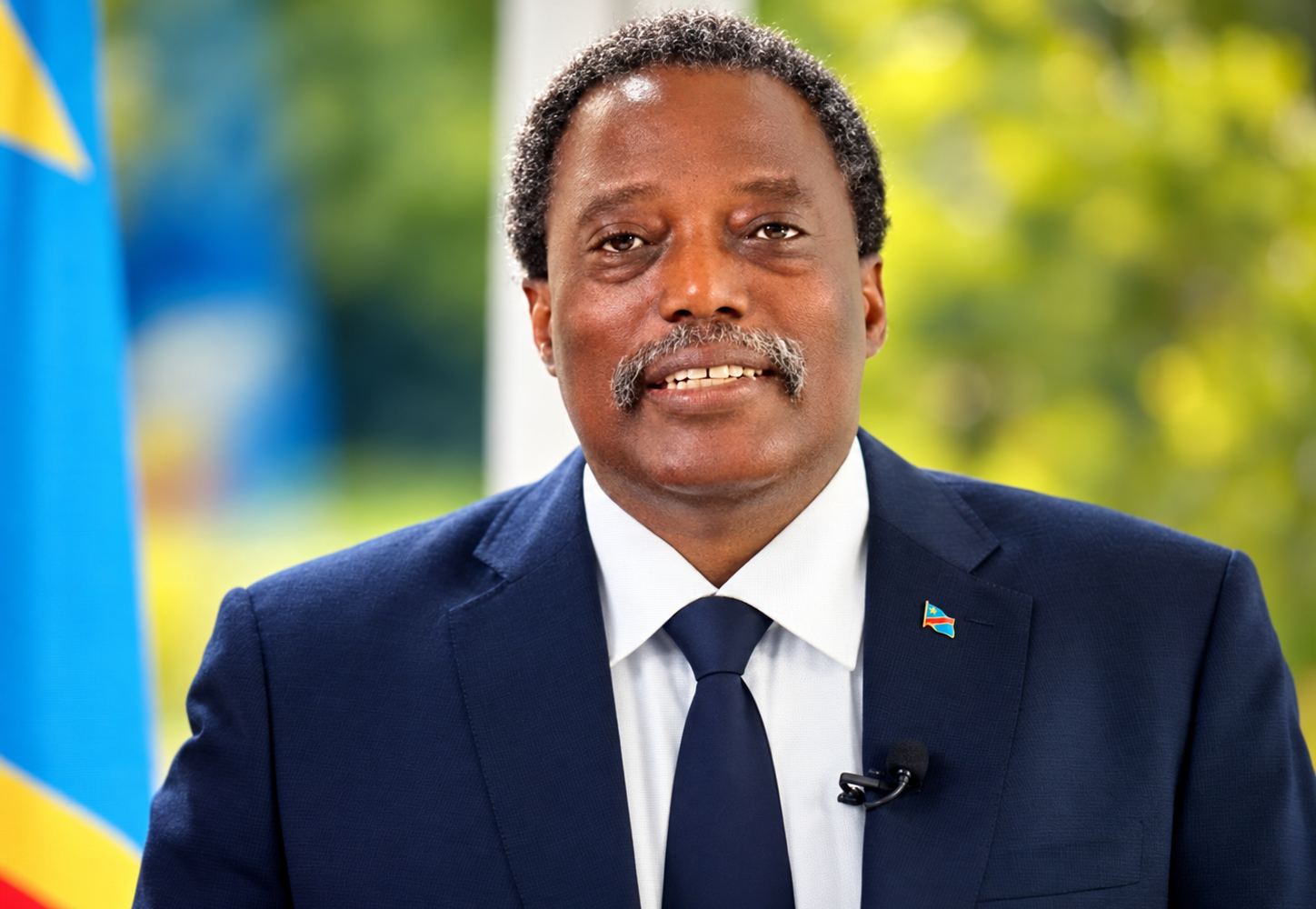
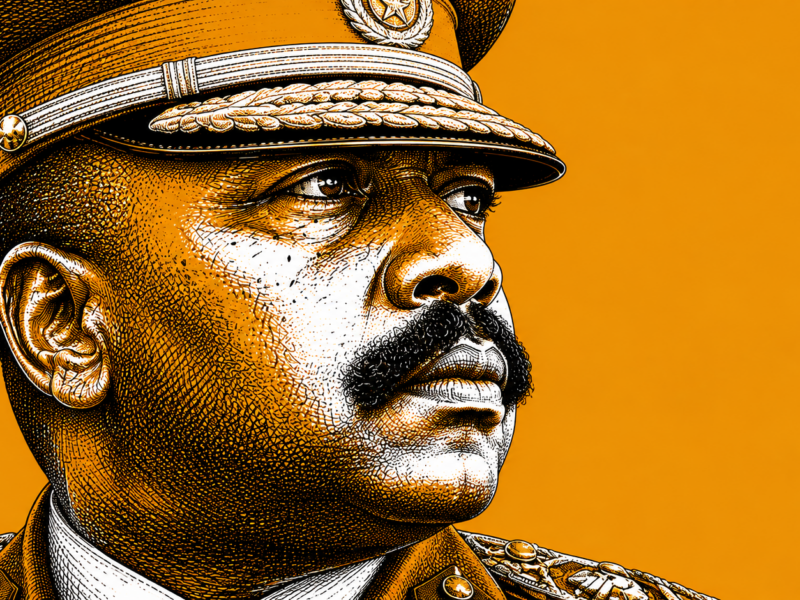
Joseph Kabila, who ruled the Democratic Republic of Congo for 18 years, on Monday took the leadership of a new coalition in rebel-held Goma. He now openly heads the insurgency that Kinshasa has accused him of sponsoring. The Front pour la Refondation de la Nation (FRN) replaces the AFC-M23 alliance fighting government forces in the east, and Reuters described it as a more direct role in a rebellion Kabila had previously stopped short of openly backing.
The movement’s adviser, Claude Ibalanky, announced the line-up at a press conference. According to Reuters, Kabila will be assisted by four rebel leaders as deputies: Corneille Nangaa, Bertrand Bisimwa, Freddy Kaniki and Sultani Makenga. Accounts circulated by journalists in Goma name three vice-presidents instead: Nangaa, Bisimwa and Makenga. They say Makenga will also serve as military chief of staff. The same accounts identify the armed wing as the Armée Révolutionnaire Congolaise. They also say former Kabila loyalists and members of his political platform, Sauvons la RDC, have joined. Kaniki’s exact position had not been clarified by Monday night.
The announcement settles a question that has hung over the conflict since 2023. Congolese authorities have accused Kabila for months of supporting AFC/M23, which seized vast areas of the east in an offensive last year. The former president had denied any involvement. A former head of state is now at the top of an armed movement that controls Goma and Bukavu, the capitals of North and South Kivu. That complicates both the peace efforts and President Félix Tshisekedi’s claim to speak for the whole country. No government response had been reported by Monday night.
Kabila is already a convicted man in Kinshasa. On 30 September 2025, a military court sentenced him to death and ordered him to pay $33 billion. It found him guilty of treason, war crimes and organising an insurrection over his alleged support for the M23 and the Alliance Fleuve Congo (AFC). He was tried in absentia without a lawyer, and many observers considered the proceedings highly politicised. Kabila rejected the charges and called the case politically motivated.
Monday’s launch followed a warning issued three days earlier. In a speech on Friday, Kabila accused the government of corruption, poor governance and military failures in the east, and attacked its minerals agreement with the United States. In the address, posted on YouTube, he called Tshisekedi’s government a dictatorship. He said “all the ingredients” were in place for the country to implode, and promised to set out within days or weeks his plan to “save” the DRC.
The alliance has been years in the making. Nangaa, a Kabila ally, headed the electoral commission during the disputed 2018 vote that brought Tshisekedi to power and ended Kabila’s presidency. Nangaa founded the AFC in 2023 and joined it to the M23. Kabila travelled to Goma in 2025, and several of his former allies have since taken posts within AFC/M23. That May, the Senate stripped him of his immunity from prosecution.
The question of who commands the rebellion goes beyond Congolese politics. The United Nations and Western governments accuse Rwanda of backing the M23 and directing its operations. Kigali denies supporting the insurgency. Writing on Sunday, Christophe Rigaud, director of the Congo-focused site Afrikarabia, said the most recent UN experts’ report had already suggested Kabila might take a leading role in a restructured movement. He argued that the involvement of Nangaa and Kabila helps Rwanda present the rebellion as a Congolese response to Congolese grievances.
The movement Kabila inherits is under strain. The rebels’ territorial advance stalled after they captured Uvira and then withdrew under American pressure in January 2026. Since then, tensions have grown between the AFC’s civilian leadership and the M23 commanders who provide its military strength. Africa Intelligence reported a plan, led by an adviser close to Nangaa, to remove Makenga as military chief. Makenga’s continued role in the new structure, under either account of the line-up, suggests the military command has kept its position.
The political track has narrowed. Tshisekedi has announced a national dialogue that will exclude Kabila because of his links to the rebels. The Qatar-mediated talks between Kinshasa and AFC/M23, which run alongside the Washington agreement signed by Congo and Rwanda in June 2025, were negotiated with a movement that no longer exists under its old name. Neither side has said whether the FRN will take AFC/M23’s place at the table in Doha. The government has not said whether it will negotiate with a front led by a man its courts have sentenced to death.