Burundi set to commission Murembwe hydropower plant, completing the Jiji–Murembwe Energy Project
This week, the commissioning of the 17.5-megawatt Murembwe Hydropower Plant marks the completion of the country's largest energy project in recent history, a $320 million investment that authorities hope will help turn a chronic power deficit into a foundation for economic growth.

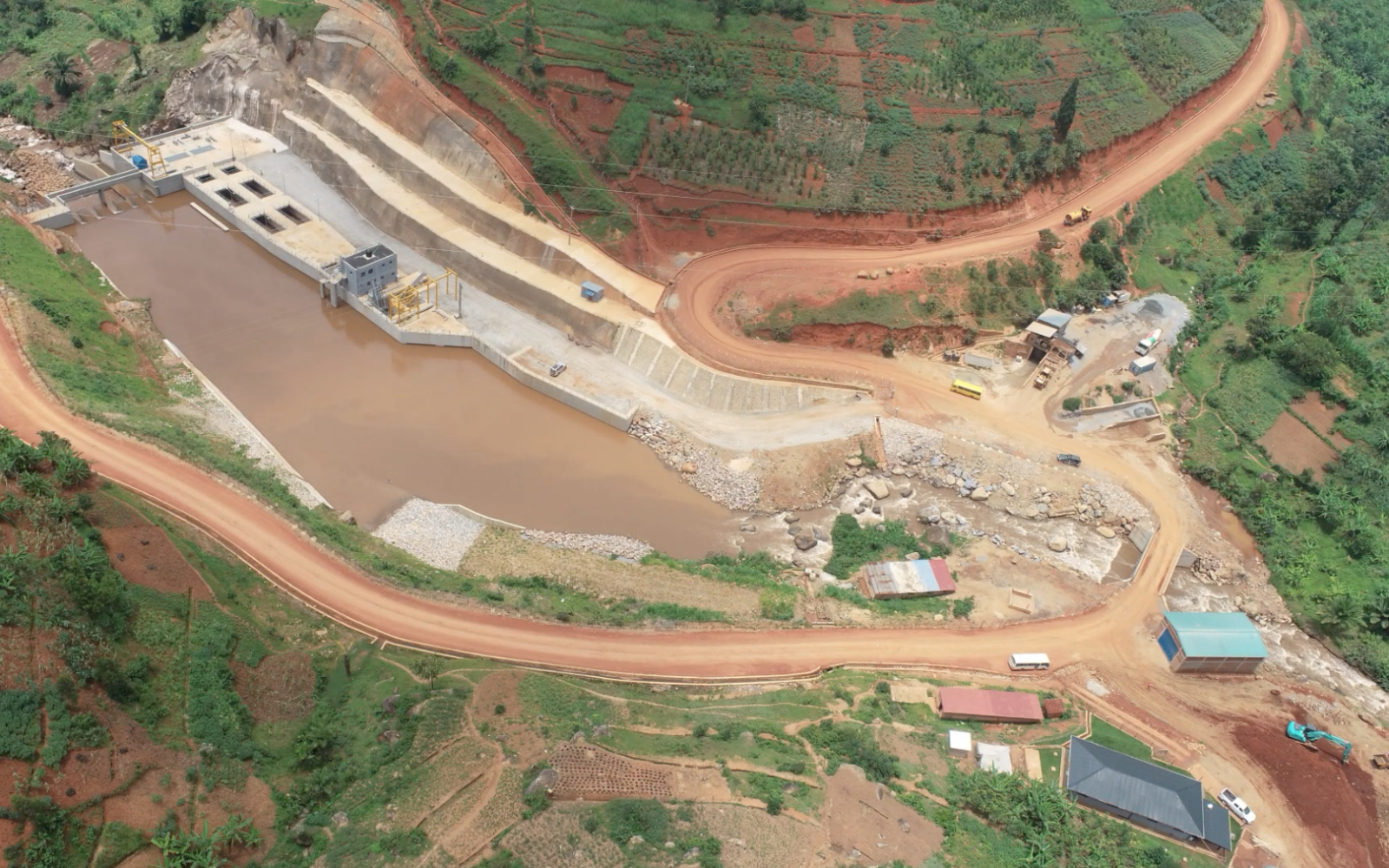
Burundi is preparing to officially inaugurate the Murembwe Hydropower Plant, the second and final component of the Jiji–Murembwe Hydropower Project, one of the largest energy infrastructure investments ever undertaken in the country.
The ceremony is expected to take place under the patronage of Prime Minister Nestor Ntahontuye and will bring together senior government officials, REGIDESO executives, and representatives of the project’s principal development partners, including the World Bank, the European Union, the African Development Bank (AfDB), and the European Investment Bank (EIB). The project has been financed through a consortium of international partners and the Government of Burundi.
The Director General of REGIDESO, Dr. Eng. Albert Manigomba, is already at the site overseeing final preparations ahead of the commissioning of the facility.
The Murembwe plant has an installed capacity of 17.5 megawatts and is designed to generate approximately 90.5 gigawatt-hours of electricity annually. The facility is equipped with three Pelton turbines and exploits a hydraulic head of approximately 244 metres, allowing it to produce electricity from the steep elevation drop of the Murembwe River. The scheme includes a 1.164-kilometre tunnel and a reservoir with an exploitable storage capacity of approximately 45,000 cubic metres, designed for a flow rate of 8 cubic metres per second.
The plant forms part of the broader Jiji–Murembwe Hydropower Project, a run-of-river hydroelectric development located in southern Burundi’s Bururi region. Unlike large storage dams, run-of-river facilities generate electricity primarily from the natural flow of rivers while limiting the size of reservoirs and reducing environmental impacts.
Murembwe follows the inauguration of the 32.5 MW Jiji Hydropower Plant in June 2025. Together, the two facilities provide a combined installed capacity of 49.5 MW, making the Jiji–Murembwe complex the largest hydroelectric project developed in Burundi in recent decades.
According to the World Bank and other project partners, the two power plants are expected to generate approximately 235 GWh of renewable electricity annually, increasing Burundi’s electricity supply by about 25 percent and helping address long-standing power shortages.
The project also includes transmission infrastructure, substations and more than 100 kilometres of high-voltage power lines intended to strengthen the national grid and facilitate electricity distribution across the country.
Addressing Burundi’s electricity deficit
Burundi has historically faced one of the lowest electricity access rates in Africa. Limited generation capacity, growing demand and dependence on thermal generation have constrained industrial development and economic growth for decades. Development partners supporting the project have identified electricity shortages as one of the principal obstacles to private-sector expansion and industrialization.
According to project estimates, the additional electricity generated by Jiji and Murembwe is expected to improve service reliability and expand access for households, businesses and industrial users. The European Investment Bank estimates that the project will benefit approximately 15,000 households, 7,000 businesses and 1,700 industrial facilities.
The Jiji–Murembwe project represents one of the largest development-financed infrastructure projects in Burundi. Funding has been provided by the World Bank, the European Union, the African Development Bank, the European Investment Bank, REGIDESO and the Government of Burundi. Total investment has exceeded $300 million, according to project partners.
With the commissioning of Murembwe, Burundi completes a project first approved more than a decade ago and considered a cornerstone of the country’s efforts to increase domestic power generation, reduce reliance on expensive thermal electricity and support future economic growth.