Burundi weighs $1.8 Million plan to bring chimpanzees home from Kenya
Twenty chimpanzees sent to Kenya during Burundi’s civil war could return to a new sanctuary at Kigwena, but officials say the costly and technically complex operation is still some way from execution.

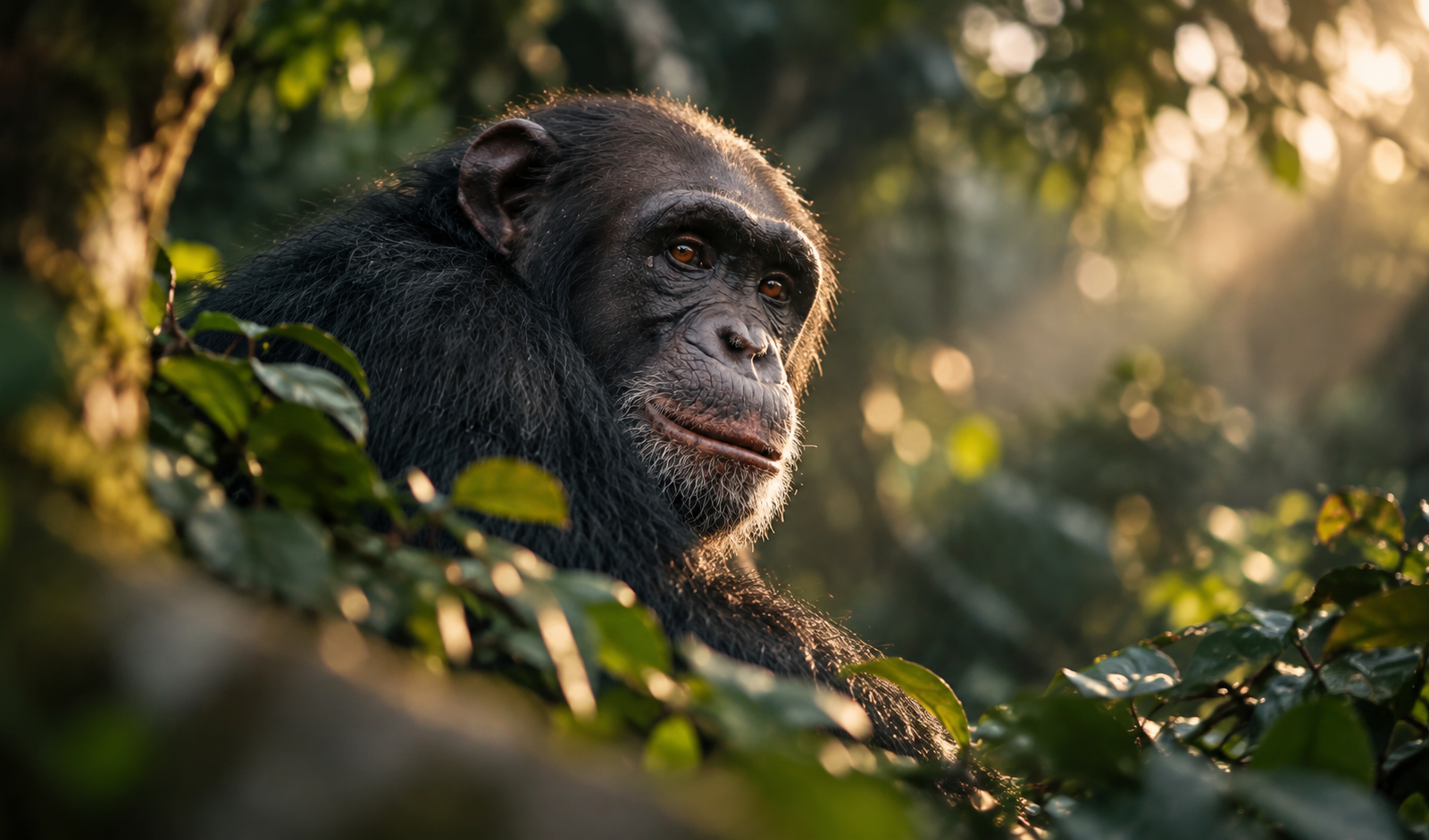
Burundi is considering spending more than 5.3 billion Burundian francs, about $1.8 million at recent official exchange rates, to build a sanctuary and bring home chimpanzees evacuated to Kenya during the country’s civil war, three decades after the animals found refuge there.
Officials presented the estimate in Bujumbura on Monday during a workshop to review a preliminary study of the proposed repatriation. The plan concerns 20 chimpanzees associated with Burundi that are living in Kenya, according to Burundian officials, and would require new facilities, specialised transport and arrangements for their long-term care.
The project is being promoted by Burundi’s tourism authorities as both a conservation measure and an investment in a sector the government wants to develop. Armelle Irakoze, director-general responsible for the tourism programme, has described the chimpanzees as part of the country’s national heritage and said their return could strengthen Burundi’s reputation for environmental protection while adding to its appeal as a destination.
Yet officials have given no date for the transfer. Georges Nikiza, secretary of the commission responsible for the repatriation, said the operation would require substantial resources. Among the issues still to be settled are the preparation of a reception site at Kigwena, transport from Kenya and the animals’ feeding and living conditions.
The proposal closes a circle opened by war. The Sweetwaters Chimpanzee Sanctuary at Ol Pejeta Conservancy, in Kenya’s Laikipia County, was created after a chimpanzee rescue centre in Burundi became untenable following the outbreak of civil conflict in 1993. The sanctuary was established through an agreement involving Ol Pejeta, the Kenya Wildlife Service and the Jane Goodall Institute.
Contemporary records provide unusually precise evidence of the evacuation. In an October 1995 report, the Jane Goodall Institute said that 10 of 20 orphaned chimpanzees in Burundi had been successfully moved to Sweetwaters that June. The institute hoped to transfer the remaining 10 once permits were obtained, with all 20 ultimately held on loan from the Burundian government.
Some of those animals had already endured years of captivity or trafficking. Ol Pejeta’s records identify several residents as originating in Burundi, including Alley, Bahati, Max and Uruhara. Poco, another well-known Burundian chimpanzee, arrived at Sweetwaters in 1995 after having suffered lasting physical damage from confinement in a small cage.
The sanctuary was intended to provide lifelong refuge to chimpanzees rescued from abuse and the illegal wildlife trade. It subsequently accepted animals from elsewhere, meaning its present population is broader than the original Burundian group. Ol Pejeta says chimpanzees are not native to Kenya and describes Sweetwaters as the country’s only sanctuary where they can be seen.
That history makes a return more complicated than simply transporting animals across East Africa. Chimpanzees are highly social, long-lived great apes, and individuals that have spent decades in managed groups require careful veterinary and behavioural planning before relocation. Burundian authorities have not yet publicly detailed which individual animals would be transferred, how their existing social groups would be handled, or what agreements would be required from Kenyan authorities and the sanctuary.
The proposed destination is Kigwena, a protected forest area in southern Burundi near Lake Tanganyika. Officials say the reception site would cover 586 hectares. Burundi’s environmental authorities estimate that the country already has roughly 400 chimpanzees, making protection of the species part of a wider conservation challenge rather than an isolated repatriation exercise.
The expense may prove significant for the tourism administration. Irakoze told the Burundian newspaper Iwacu earlier this year that tourism receives about 1 per cent of the national budget and that current financing is insufficient to exploit the sector’s potential fully. She cited infrastructure, development of tourist sites, promotion and improved services among areas requiring additional resources.
For now, the 5.3 billion-franc figure is an estimate rather than an approved timetable for departure. Before chimpanzees that left amid Burundi’s war can return, the government must turn the Kigwena proposal into a functioning sanctuary and establish that animals which have spent most of their lives in Kenya can be moved safely after more than 30 years away.