DRC: C64 tells AU mediator constitutional reform must be dropped
As regional mediation efforts continue, one of Congo's main opposition coalitions argues that the country's crisis cannot be resolved through military diplomacy alone, insisting the real battle lies over the Constitution and democratic governance.

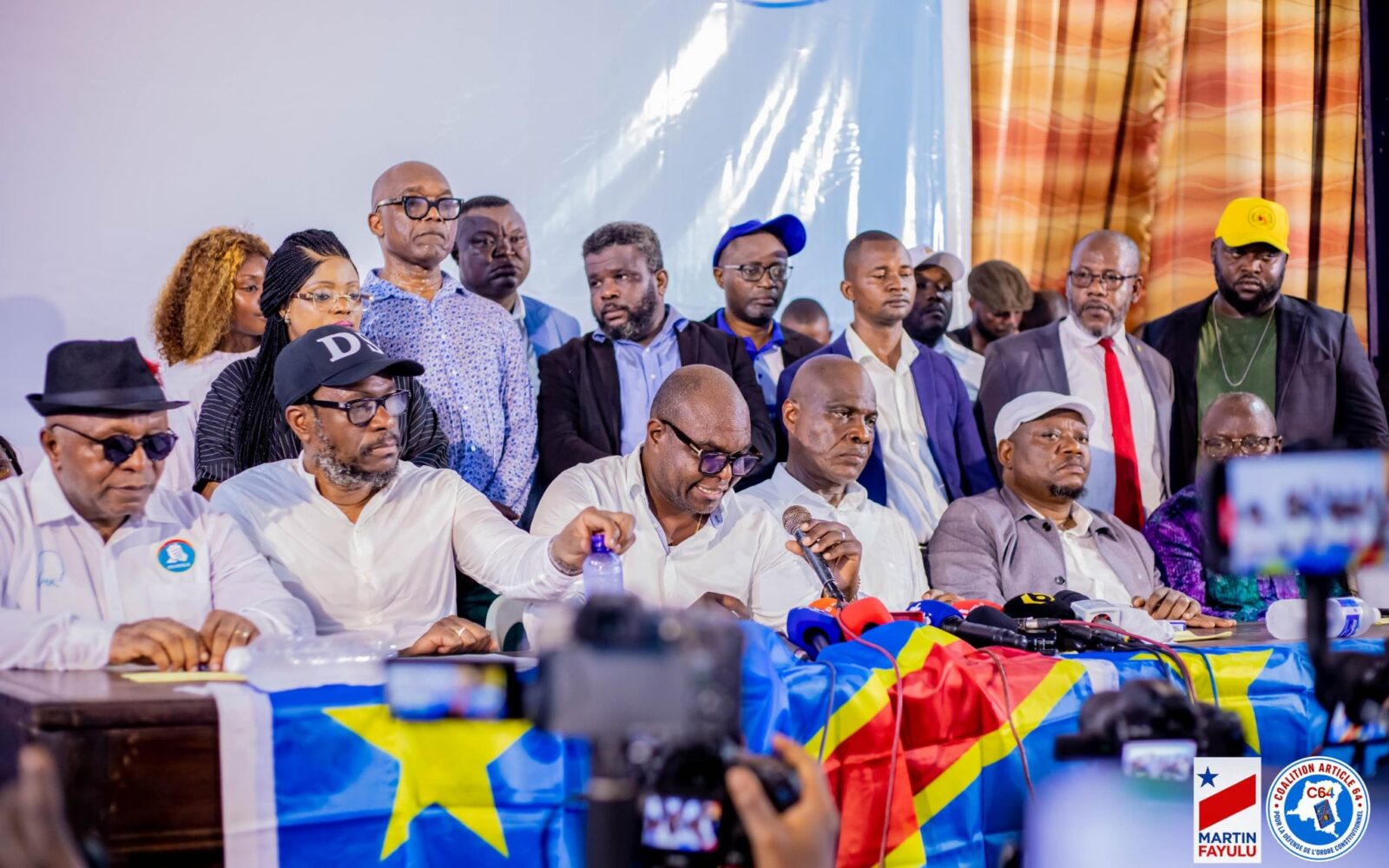
The Coalition Article 64 for the Defense of Constitutional Order (C64), an opposition alliance in the Democratic Republic of Congo, has sought to regain control of the narrative surrounding its recent meeting with Burundian President Évariste Ndayishimiye, who currently serves as chairperson of the African Union.
Speaking at a press conference in Kinshasa on Thursday, July 9, coalition leaders rejected what they described as “manipulations and falsehoods” about the meeting, insisting they had not requested the audience. According to the coalition, the initiative came from Ndayishimiye himself as part of the consultations he is conducting on the Congolese crisis following discussions with President Félix Tshisekedi.
The coalition said the Burundian leader encouraged Congolese political actors to prioritize dialogue and national cohesion in the face of mounting threats to the country’s sovereignty. At the time of the press conference, the African Union had not publicly released a detailed account of the meeting.
Beyond clarifying the circumstances of the encounter, C64 used the occasion to advance a broader political argument: that the crisis in the Democratic Republic of Congo extends well beyond the armed conflict in the country’s east.
According to the coalition, the instability is rooted in a systemic crisis combining military, security, institutional and constitutional dimensions. In its view, successive diplomatic initiatives—including the Nairobi, Luanda, Doha and Washington processes—have fallen short because they focused primarily on military and regional security arrangements while leaving the country’s underlying political disputes unresolved.
Central to the coalition’s criticism is what it describes as President Tshisekedi’s constitutional reform agenda. C64 argues that pursuing constitutional change while parts of the country’s territory remain affected by armed conflict and insecurity risks deepening political divisions rather than contributing to national stability.
The opposition alliance said it presented several conditions that, in its view, must precede any meaningful political dialogue. These include a public and definitive abandonment of constitutional revision plans, the release of political prisoners, an end to what it characterizes as politically motivated prosecutions, and the restoration of fundamental public freedoms.
According to C64, President Ndayishimiye acknowledged these demands and committed to conveying them faithfully to President Tshisekedi as part of his mediation efforts. That account has not been independently confirmed by the African Union.
The coalition also announced plans to intensify public mobilization. Following a nationwide “dead city” strike on June 3 and a sit-in on June 12, it has called for a peaceful march to the Palais de la Nation on July 22. Organizers say the demonstration will oppose the proposed constitutional revision and demand respect for the constitutional order, while also calling for President Tshisekedi’s resignation, accusing him of violating the constitutional oath of office.
The statements presented at Thursday’s briefing reflect the position of the C64 coalition. Congolese authorities had not publicly responded to the coalition’s claims at the time of publication.