Burundi watchdog says $2.4 million lost in mineral exports rejected in Dubai
OLUCOME traces the alleged theft to a substandard shipment that Burundi’s central bank sold abroad, only to have it returned, and says one supplier from Mabayi remains free.

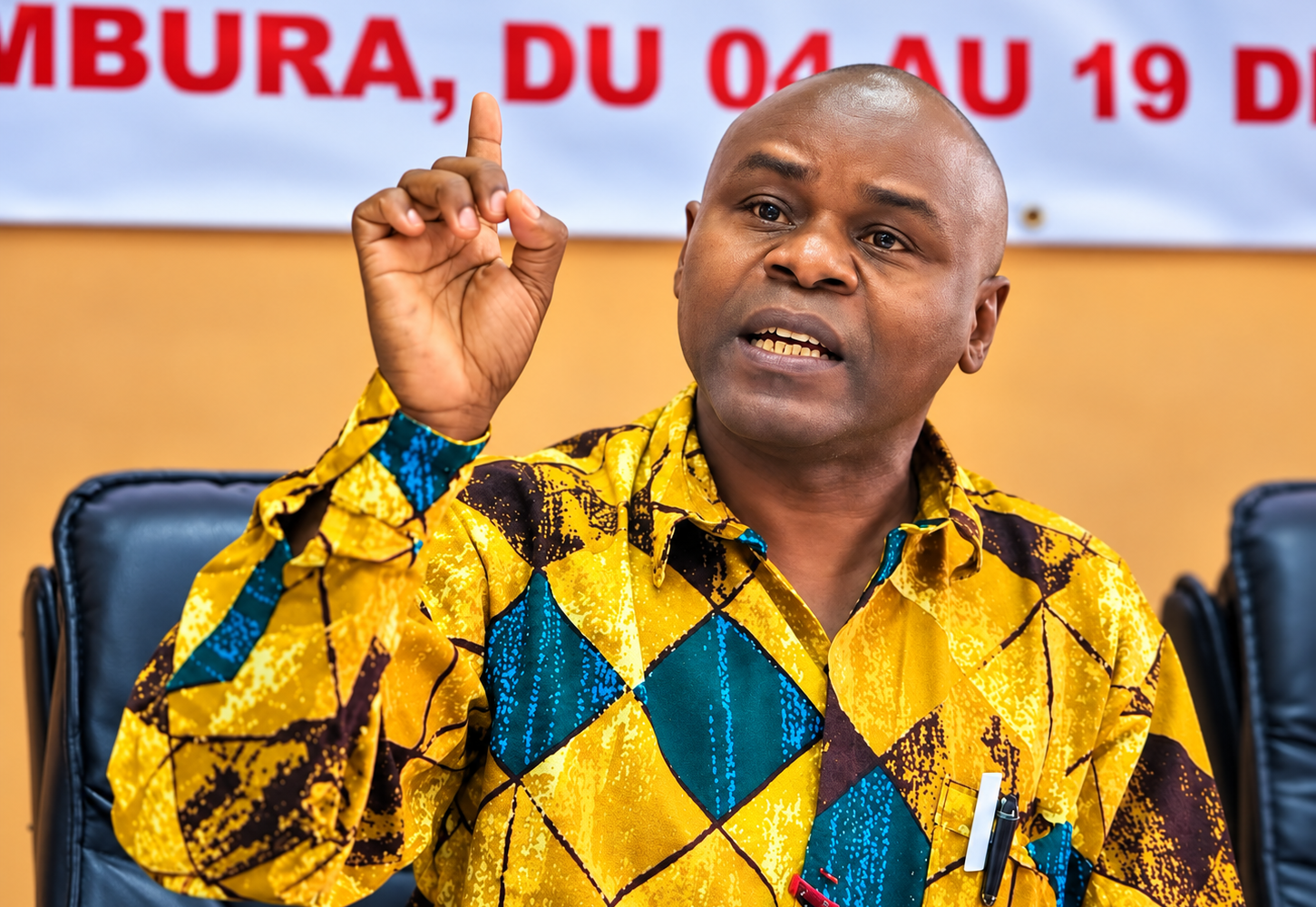
Burundi lost more than $2.4 million through a mineral shipment that failed purity checks after the central bank exported it to Dubai, the country’s leading anti-corruption group said on Monday. The losses occurred between mid-May and July 2025, according to the Observatory for the Fight against Corruption and Economic Embezzlement (OLUCOME).
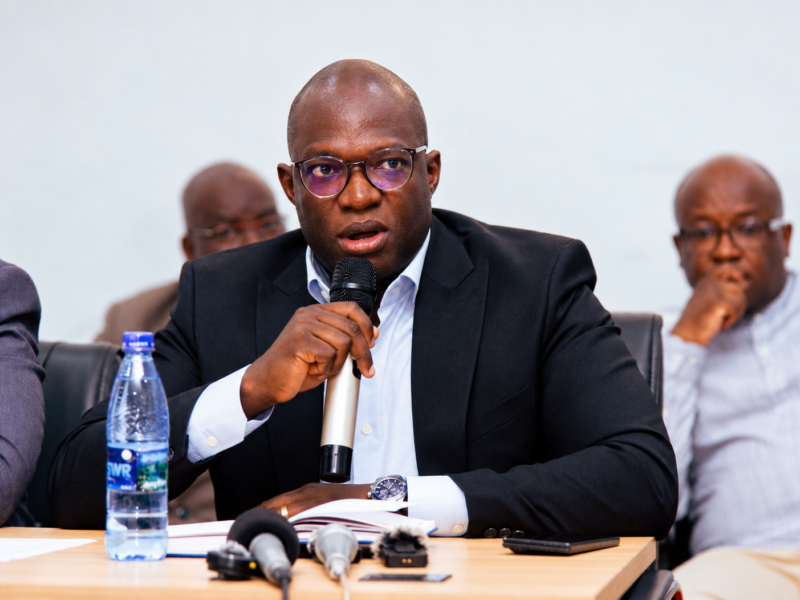
Speaking at a press conference reported by the independent broadcaster Bonesha FM, OLUCOME’s president, Gabriel Rufyiri, said the fraud was carried out through mining cooperatives that supplied minerals below the required grade. The consignment, more than 30,000 grams in total, was exported by the Bank of the Republic of Burundi (BRB) to Dubai. Buyers there sent it back because it did not meet the required standard, and the central bank brought it home.
The figure is modest in global terms but significant for Burundi, which depends heavily on mineral sales for foreign currency and has struggled for years with a severe shortage of it. Rufyiri said he could not understand how more than $2 million could disappear so easily in a country facing such a shortfall.
The account rests on information OLUCOME says it obtained from the BRB and from the ministry responsible for mines. According to Rufyiri, some suspects have been detained and others have fled. He singled out one supplier, a member of a cooperative in Mabayi, in the north-western province of Cibitoke, who he said provided part of the 30,000 grams delivered to the central bank and remains at liberty. Neither the BRB nor the mines ministry is reported to have commented, and the group’s figures have not been independently verified.
The description of a shipment weighed in grams and assessed for purity is consistent with gold, which passes through the central bank under rules introduced in recent years. An inspection report by the Burundian Office of Mines and Quarries states that from 26 November 2019, gold purchasing and export houses were suspended and nationally produced gold was sold to the BRB to build monetary gold reserves. Under a later regulation, every mining cooperative must hand over 30% of its output to the state before any commercial transaction, and production is to be secured from the mine site to the BRB, described as the only gold buyer.
That arrangement followed a wider confrontation with the industry. In July 2021, Burundi suspended the operations of foreign mining companies; the mines minister at the time, Ibrahim Uwizeye, cited numerous breaches of the mining code. Cibitoke, home to Mabayi, has remained a focus of scrutiny. In July 2025, SOS Médias Burundi reported that seventeen gold-mining cooperatives in the Mabayi and Bukinanyana communes had been closed since 23 January.
The United Arab Emirates is the principal destination for Burundian minerals, and the trade’s accounting has long drawn questions. Between 2013 and 2023 the UAE imported $1.3 billion of minerals from Burundi, yet according to consolidated BRB figures and UN Comtrade data, only $430 million was recorded by the public treasury, according to the same outlet’s analysis. More recently, the government has presented formal exports as a means of restoring confidence: President Évariste Ndayishimiye officially launched mineral exports on 7 October 2025, with the stated aims of improving transparency in the sector and increasing foreign currency inflows.
Monday’s allegations add to a series of cases OLUCOME has raised about the central bank this month. On 8 October, Rufyiri questioned an alleged transfer of between $100,000 and $500,000 from the National Post Office to the United States, which he said went ahead after the BRB had cancelled an earlier payment order. That came amid continued scrutiny of a separate case in which the BRB reported losing more than €800,000 through fraudulent payment instructions.
Rufyiri, an accountant, has led OLUCOME since its founding in 2002, has been arrested ten times, and returned to Burundi in 2022 after seven years in exile. He has been a persistent critic of the government’s economic record, recently describing Burundi as among the five most corrupt countries in the world.
He called on Monday for the authorities to establish who took part in the scheme and to prosecute them under the law. Whether prosecutors will pursue the Mabayi supplier, and whether the returned consignment will be reassessed or written off, has not been made public.