Burundi’s banks report cash shortage as savers hoard money
The head of one of the country’s largest banks said businesses are keeping cash at home for fear they will not be able to withdraw it, while microfinance lenders put their losses from the fires at 600 billion francs.

Burundi’s banks are running short of liquidity, partly because business owners are keeping their money at home rather than deposit it, the head of one of the country’s main commercial banks said on Wednesday. Lenders are also losing money as borrowers whose goods burned in a series of market fires stop repaying their loans.
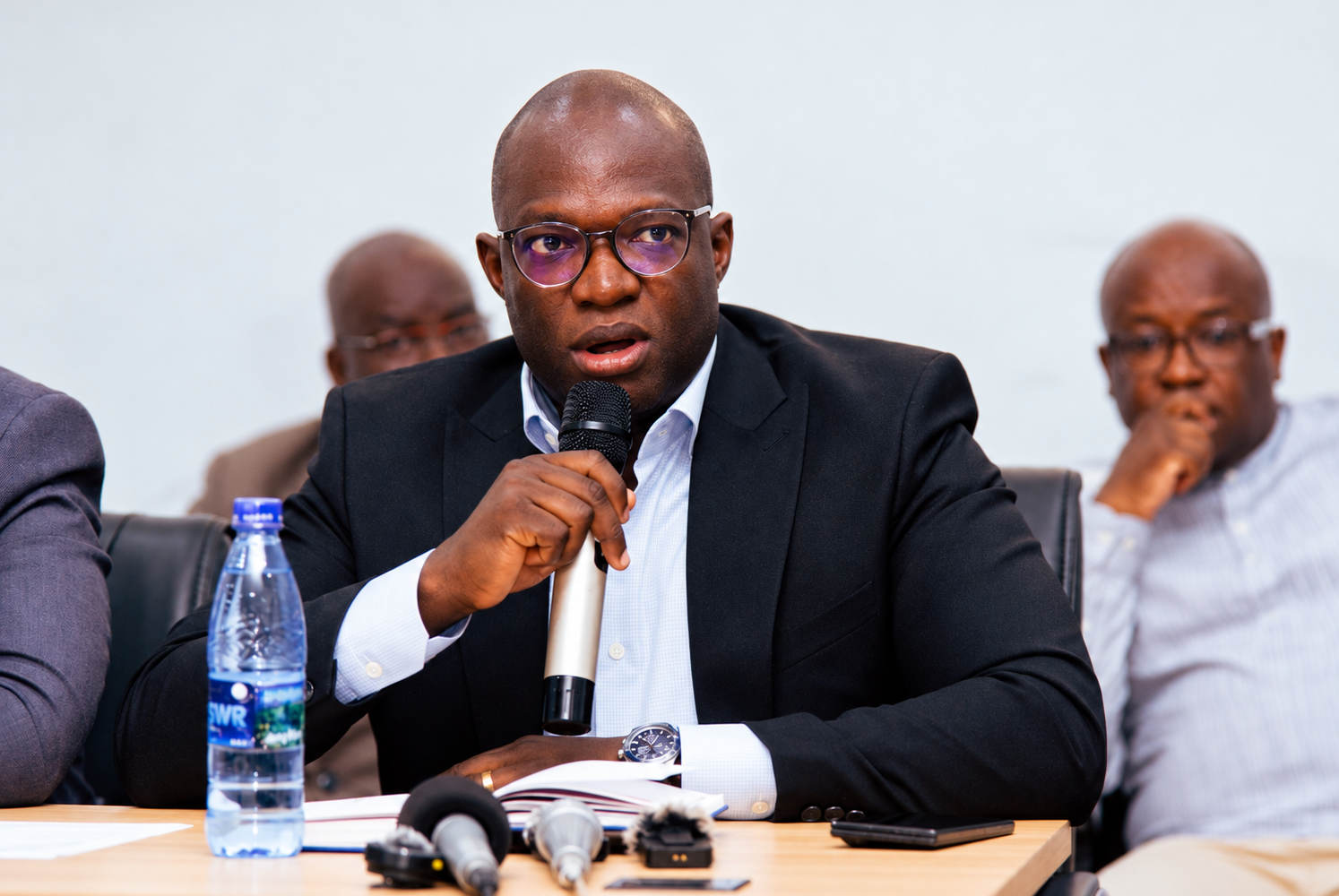
Roger Guy Ntwenguye, managing director of the Banque de Crédit de Bujumbura (BCB), made the assessment on 7 October at a meeting between Hassan Kibeya, the minister responsible for commerce and industry, representatives of the banking sector and private business. Many economic actors, especially private operators, prefer to hold cash themselves, he said, because they fear they will not be able to get it back from the bank when they need it.
The second problem is repayment. “Some borrowers stop repaying, particularly after suffering losses in their activities; others have lost their goods in various markets that were recently burned,” Mr Ntwenguye said.
The microfinance sector, which serves many of the small traders who work in these markets, reported heavier damage. Marie Louise Kamikazi, executive director of the Network of Microfinance Institutions in Burundi (RIM), said its members had already recorded capital losses of about 600 billion francs, mainly as a result of the fires. She did not say how the figure was calculated or over what period. RIM is a non-profit association; in 2024 its 37 member institutions accounted for 99 percent of microfinance activity in Burundi.
The fires have hit Bujumbura’s commercial districts repeatedly this year. In one recent blaze, fire broke out at around 6:30 in the morning in the Ndayizamba shopping gallery in the city centre and spread to the neighbouring Le Parisien gallery, which was also largely destroyed. The cause was not officially established. Earlier, the timber market at Jabe in Mukaza commune burned on the night of 21 to 22 June. The business weekly Burundi Eco has listed other markets hit by fire, including the central market, Kinama and Kamenge. It reported that only a minority of traders had insurance cover.
Olivier Suguru, president of the Federal Chamber of Commerce and Industry of Burundi (CFCIB), named Ndayizamba, Le Parisien, Kinindo and Kinama among the affected sites and urged officials not to forget the small traders who lost all or part of their stock. He called for the government and the private sector to meet to work out a response.
The liquidity squeeze comes on top of a wider currency problem. According to the International Monetary Fund, Burundi held just 214 million dollars in international reserves at the end of 2025, enough to cover only 1.6 months of imports. The African Development Bank estimates that the economy grew by 4.6 percent in 2025, but it says fuel shortages, scarce foreign exchange and inflation continue to weigh on activity. Many Burundians have no bank account at all: the AfDB says only 19.7 percent of the population had a bank or microfinance account in 2024.
Mistrust of withdrawals has some history. In early 2023, a local civil society group reported that the central bank had capped cash withdrawals, a measure that prompted complaints across the business community.
Mr Kibeya addressed the fire victims directly. He said the government had set up a committee to assess the situation of traders who lost goods in the burned markets, with a view to compensating them. He did not say how much money would be made available, how losses would be verified, or when payments might begin.
On the other issues raised, including the cash held outside the banking system and the unpaid loans, the minister offered reassurance rather than specific measures. “No problem can remain without a solution when all parties sit around a table,” he said.
The bankers did not say how large the liquidity shortfall is. The committee on the fire victims has not yet reported.