Burundi unveils plans to expand social protection for vulnerable households
As many Burundians continue to struggle with poverty, the government is promising a broader social safety net for the country's most vulnerable communities.

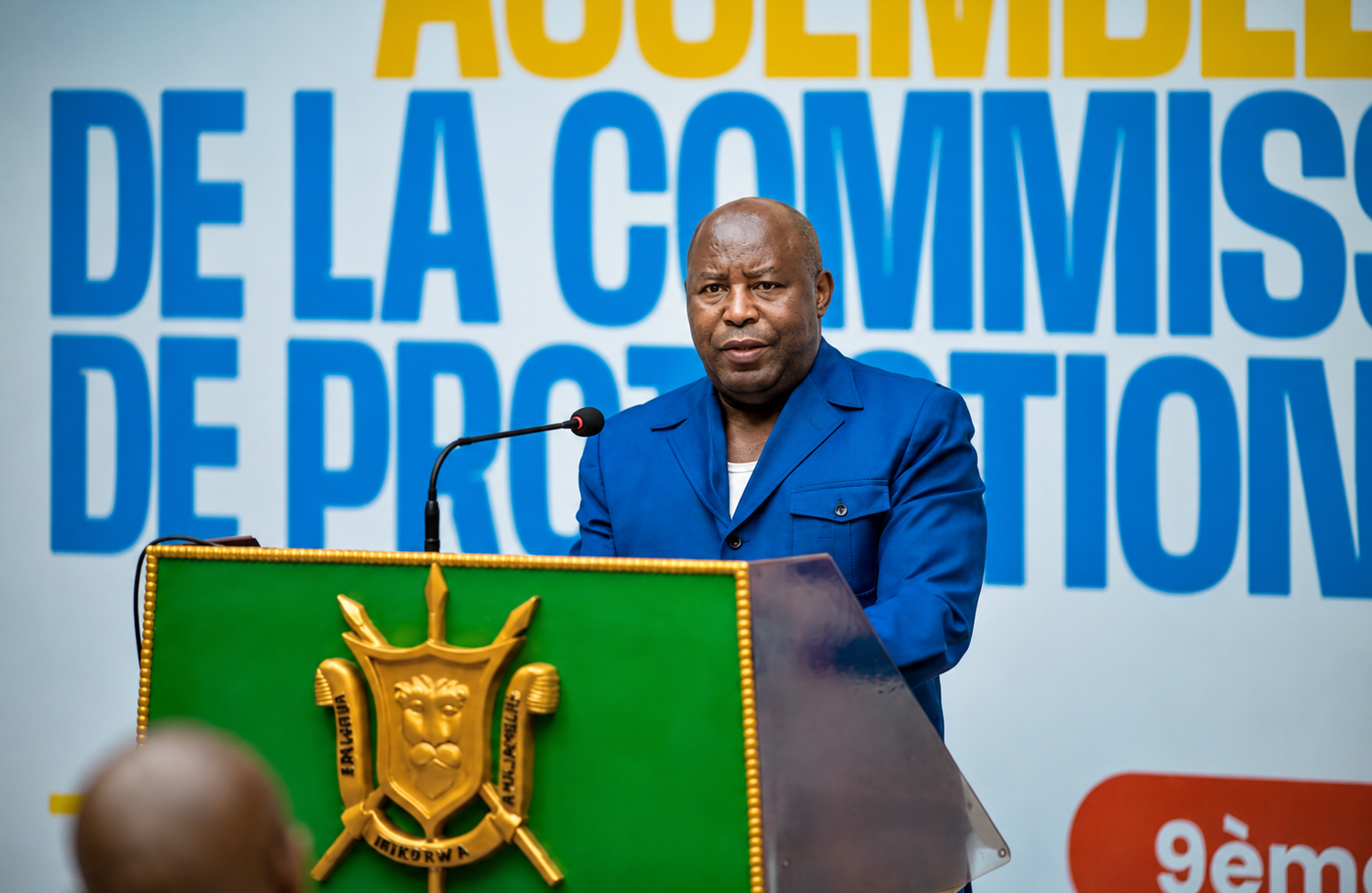
Burundi’s government has pledged to strengthen social protection programmes as part of its efforts to reduce poverty and support vulnerable populations.
Speaking at the ninth General Assembly of the National Social Protection Commission in Bujumbura on Monday, President Évariste Ndayishimiye said social protection remains a key pillar of the country’s development strategy. He highlighted initiatives targeting vulnerable households, young entrepreneurs, rural communities and the Batwa, a historically marginalized Indigenous group.
Representatives of the World Bank welcomed progress made under Burundi’s national social protection policy, citing cash-transfer programmes, free primary education and subsidized healthcare among measures aimed at improving living conditions.
The assembly also reviewed advances under the Merankabandi programme, a flagship social safety-net initiative, as well as efforts to establish a national social registry to improve the targeting of assistance.
Despite these ambitions, challenges remain. Burundi is one of the world’s poorest countries, and expanding social protection will require sustained funding and effective implementation mechanisms. Authorities acknowledge that improving public sector salaries and pensions remains difficult amid budget constraints.
The government hopes its National Social Protection Policy 2024–2033 will help strengthen resilience and reduce poverty as part of its broader vision of becoming an emerging economy by 2040.