Burundi to pay 190,000 coffee farmers after record harvest
After harvesting more than double last year's coffee crop, Burundi will begin final payments to over 190,000 farmers on August 17, marking a milestone for the sector.

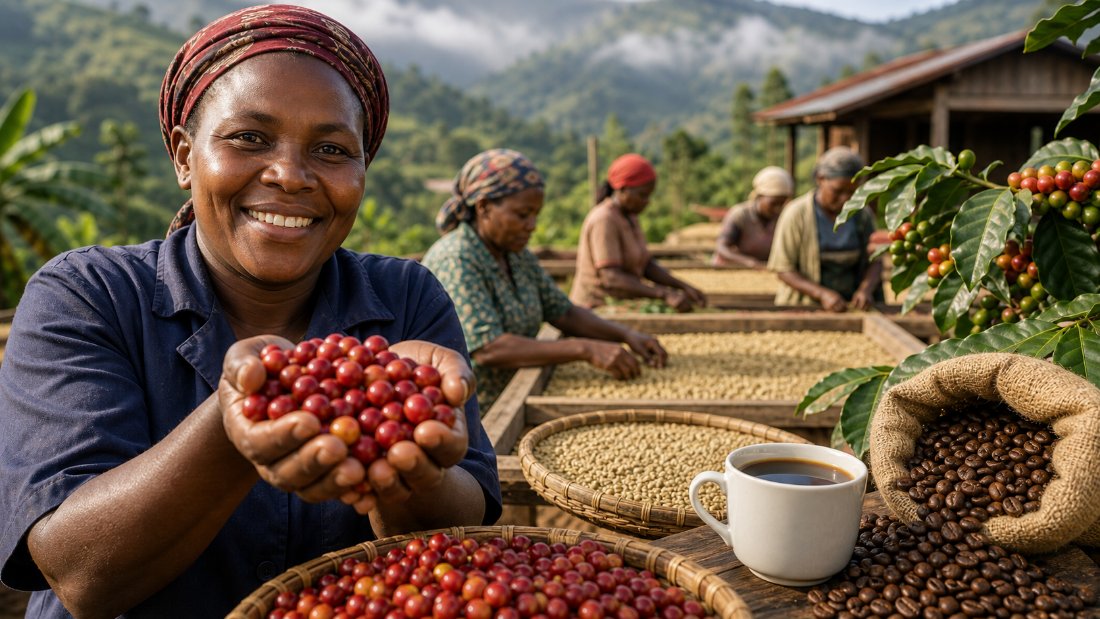
More than 190,000 coffee farmers across Burundi are set to receive the final payments for the 2026–2027 harvest, with disbursements beginning on August 17. The payments come after what officials describe as the country’s largest coffee harvest in years, a season that has raised expectations for both rural incomes and export earnings.
The Office for Coffee Development (ODECA) says 190,521 producers will share 199.09 billion Burundian francs (BIF) during this final payment phase. For many farming households, the money arrives at a critical time, just before the next planting season and the start of the school year.
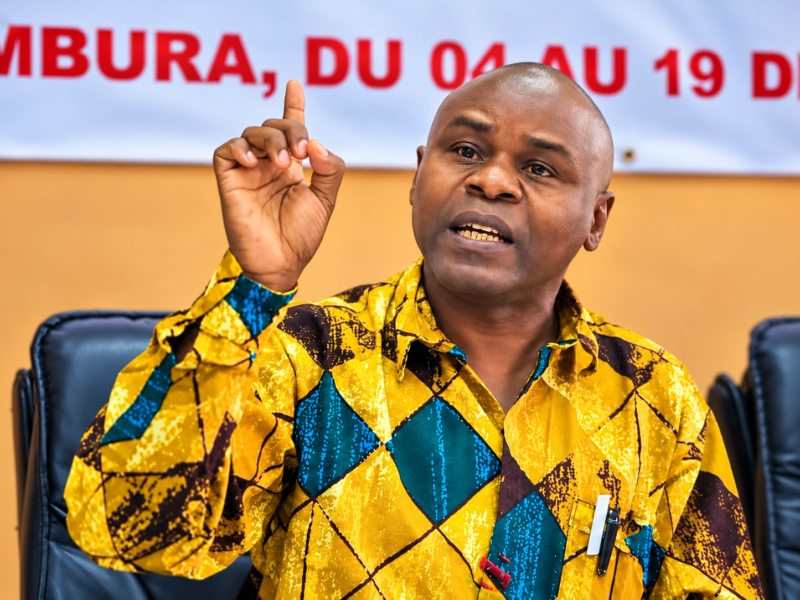
ODECA Director General Oscar Uwukunda announced the schedule during a press briefing on July 29. Farmers who have not yet completed the required paperwork or submitted identification documents were asked to do so at the coffee collection centers where they delivered their cherries between July 29 and July 31.
This season’s harvest has surprised many.
According to ODECA, farmers delivered more than 112,000 metric tons of coffee cherries, up from roughly 50,000 metric tons during the previous campaign. That’s more than double last year’s output and one of the strongest harvests Burundi has recorded in recent memory.
Officials attribute the increase largely to higher farmer participation in coffee production, though favorable growing conditions also appear to have played a role. Either way, the numbers point to a sector that has regained some momentum after years of fluctuating production.
Coffee remains one of Burundi’s biggest export earners, so a harvest of this size could have an impact well beyond farming communities. If international prices hold up, the country could see stronger export revenues over the coming months.
For many rural families, coffee is the main source of cash income during the year. That makes the timing of these payments especially important.
Farmers often rely on the money to buy seeds and fertilizers before the next growing season begins. It also helps cover school fees, uniforms and supplies as children prepare to return to class. A delay of even a few weeks can make planning difficult, particularly for households with limited savings.
Uwukunda said prompt payments are important not only for farmers’ livelihoods but also for maintaining confidence in the coffee sector. Producers are generally more willing to invest in their farms when they know they will be paid on time.
ODECA also said it is working to clear the remaining unpaid cases from the first round of payments.
A total of 1,734 farmers who did not receive their initial payment will be paid at the beginning of August, before the larger disbursement starts later in the month.
According to the agency, most of those delays were linked to incomplete documentation and verification procedures rather than funding shortages. Those cases are now being finalized.
Coffee continues to play a central role in Burundi’s economy, providing foreign exchange while supporting hundreds of thousands of smallholder farmers.
This year’s harvest is encouraging, but it doesn’t automatically guarantee long-term growth. Sustaining these gains will depend on continued investment in productivity, better support for growers and efficient marketing systems. Those challenges haven’t disappeared.
Still, the 2026–2027 campaign gives the sector something it hasn’t had in a while: genuine momentum. If payments are completed as scheduled and production remains strong, this season could become an important benchmark for Burundi’s coffee industry. It won’t solve every problem, but it’s a step in the right direction.