Burundi looks to agriculture to drive its next stage of growth
The ambition is urgent: to turn a sector on which nearly 85% of Burundian households depend into an engine of investment, industrialisation and exports.

With most Burundian households dependent on farming, officials and business leaders are seeking to turn the sector into a source of investment, industry and exports. The obstacles, from access to credit to unreliable infrastructure, remain considerable.
Burundi has no shortage of farmers. What it lacks is an agricultural economy capable of moving produce efficiently from the field to the factory and, eventually, to markets beyond its borders.
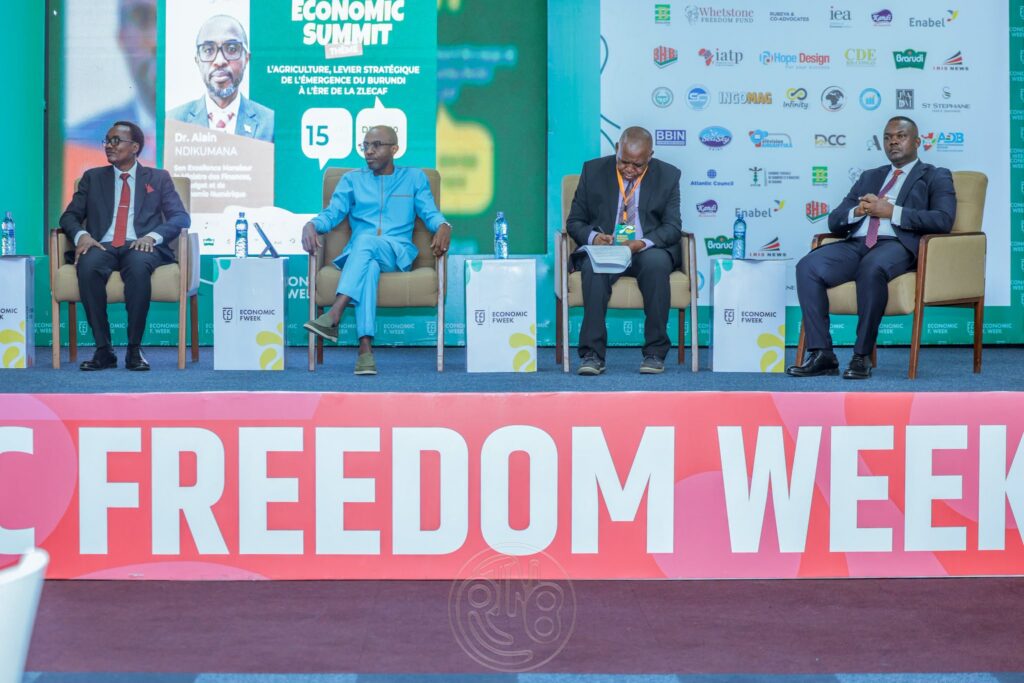
That challenge shaped discussions at Burundi Economic Week, held on September 15 at the Donatus Conference Center in Bujumbura. Government officials, bankers, academics and business leaders met under the theme “Agriculture as a Strategic Lever for Burundi’s Emergence in the AfCFTA Era.”
Agriculture supports about 85% of Burundian households, according to figures cited by the organisers. Yet much of the sector remains centred on subsistence farming, with limited access to credit, storage, processing facilities and formal markets.
Finance Minister Alain Ndikumana, who opened the meeting, framed the issue in practical terms.
“How can we transform our potential into investment, investment into production, production into exports, and exports into prosperity for our people?” he asked.
The government wants to link farmers more closely with banks, insurers, processing companies and buyers. Under that model, a producer would be able to borrow for equipment and inputs, insure crops against losses, sell to a local processor and ultimately reach regional or international markets.
The plan is tied to Burundi’s goal of becoming an emerging economy by 2040 and a developed country by 2060. Ndikumana said private companies would have a central role in meeting those targets.
For now, however, farming remains a difficult proposition for both producers and lenders. Farmers’ incomes are seasonal, harvests are vulnerable to weather shocks and many smallholders cannot provide the guarantees required by commercial banks. Poor roads, shortages of electricity and fuel, and inadequate storage facilities add to the cost of doing business.
The participants argued that agricultural finance must reflect those conditions. A small farmer, an agrifood company and a large processing plant cannot be financed in the same way or assessed against the same risks.
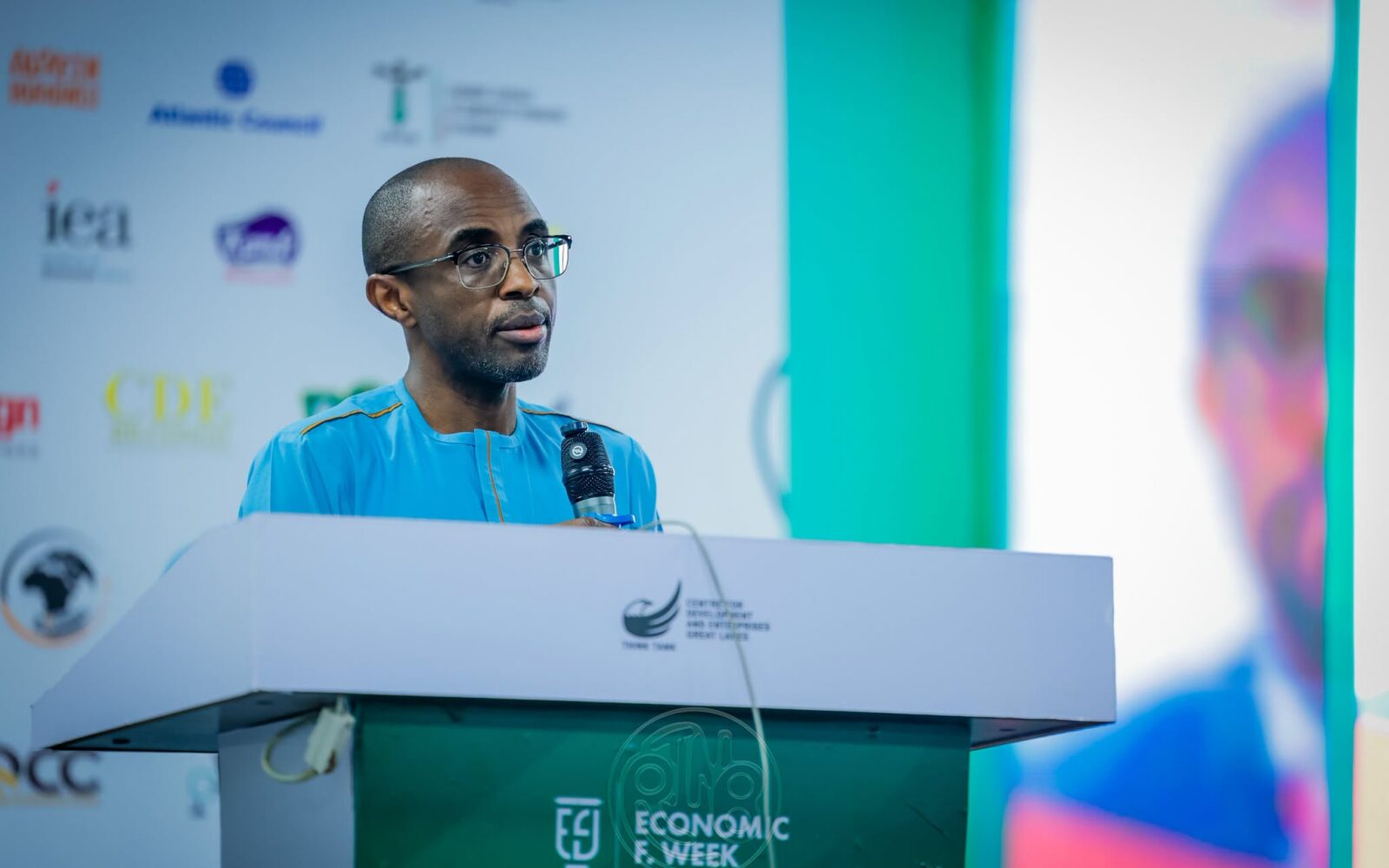
Jean Bosco Havyarimana, deputy managing director of BCAB Bank, said investors first need a measure of predictability.
“Investment is an equation with several unknowns,” he said. “Before investing, one needs reassurance that all the variables can be managed.”
Some of those variables fall outside the farm. Havyarimana pointed to legal certainty, transparent enforcement of the law and action against corruption. Investors also consider whether electricity, fuel, transport links and skilled workers will be available once a project begins operating.
His comments reflected a recurring theme during the meeting: increasing production is only one part of the job. Crops must also be collected, stored, transported, processed and sold. Without those links, farmers remain exposed to sudden price changes and post-harvest losses, while manufacturers struggle to secure a reliable supply of local raw materials.
Among those taking part in the debate were professors Anaclet Nzohabonayo and Jean Ndimubandi; Dénis Nshimirimana of the Federal Chamber of Commerce and Industry of Burundi; engineer Déogratias Niyonkuru of the Burundi Development Agency; Arsène Mugenzi of ARMC; Jennifer Nkurunziza of Brarudi; and Havyarimana of BCAB Bank.
The promise of a continental market
Aimable Manirakiza of CDE Great Lakes, which organised the forum, said greater investment in agriculture could provide work for young Burundians and raise incomes across rural communities.
The organisation also wants Burundian producers to take advantage of the African Continental Free Trade Area. The AfCFTA offers access to a market of more than one billion people, but access on paper does not guarantee sales.
Exporters need to supply sufficient quantities, meet quality standards and deliver their products consistently. Traceability, packaging and transport are just as important as production. For Burundi, that means organising thousands of small and often isolated farms into dependable supply chains.
The domestic market offers a more immediate opportunity. Brarudi, the country’s main brewer, has increased its local sourcing, particularly of maize, as it seeks to reduce its reliance on imported inputs.
“We have already invested heavily in local sourcing,” said Jennifer Nkurunziza, the company’s corporate affairs director.
The policy also helps the company limit its exposure to Burundi’s shortage of foreign currency. Brarudi’s priority remains meeting local demand, Nkurunziza said, but buying more raw materials from Burundian suppliers allows it to reduce the amount of foreign currency needed for imports.
Such arrangements can give farmers more stable outlets for their crops. They also come with demands: producers must supply the volumes required by industry and meet agreed quality standards.
The proposals discussed in Bujumbura point to a shift in how agriculture is viewed. Rather than treating it solely as a rural or food-security issue, officials and business leaders are presenting it as the foundation of a wider industrial policy.
Whether that shift takes place will depend on decisions made beyond the fields: how banks price agricultural risk, whether insurers develop suitable products, how quickly infrastructure improves and whether local processors can build lasting relationships with producers.
Burundi already has the land, the farmers and a large agricultural workforce. The harder task is to connect them to capital, industry and paying markets.