Burundi says 300,000 Hutus were killed in 1972 genocide as Truth Commission delivers final report
Holding aloft a report decades in the making, Burundi's chief truth commissioner delivered a stark verdict on Tuesday: the mass killings that swept the country in 1972 were not simply political violence, but a genocide that claimed the lives of an estimated 300,000 Hutus.

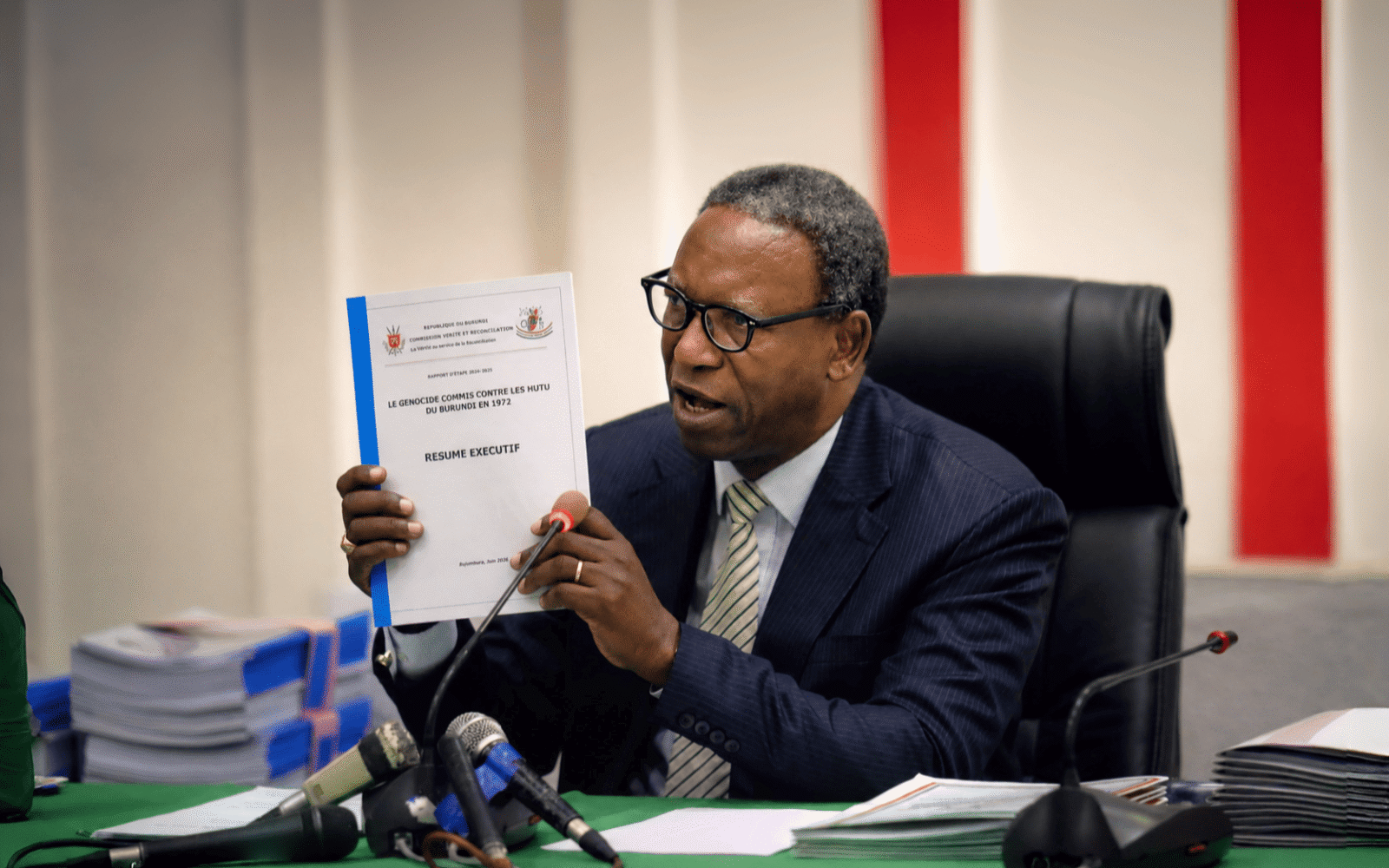
More than half a century after one of Africa’s least discussed mass killings, Burundi’s Truth and Reconciliation Commission has formally concluded that the slaughter of Hutus in 1972 constituted a genocide, presenting a final report to Parliament that estimates up to 300,000 people were killed.
The report, unveiled on Tuesday before both chambers of Parliament sitting in congress, is the culmination of years of investigations into a campaign of violence that left deep scars across the small Central African nation.
According to the Commission, the killings were not spontaneous acts of revenge but the result of a deliberate and organised plan targeting Hutu civilians, intellectuals, religious leaders, teachers, students and public servants. The report argues that the massacres met the defining criteria of genocide, citing evidence of intent, planning and systematic execution.
Presenting the findings, Pierre Claver Ndayicariye, the president of the Truth and Reconciliation Commission (CVR), described 1972 as a year of “grief and bitterness” in which entire sections of Burundi’s Hutu population were targeted. The Commission’s report draws upon official archives, witness testimonies, field investigations and documentary evidence gathered over several years.
The events of 1972 remain among the most traumatic chapters in Burundi’s history. Thousands disappeared without trace, while many victims were buried in mass graves or their bodies never recovered. The Commission says the death toll remains provisional because numerous cases have yet to be fully documented.
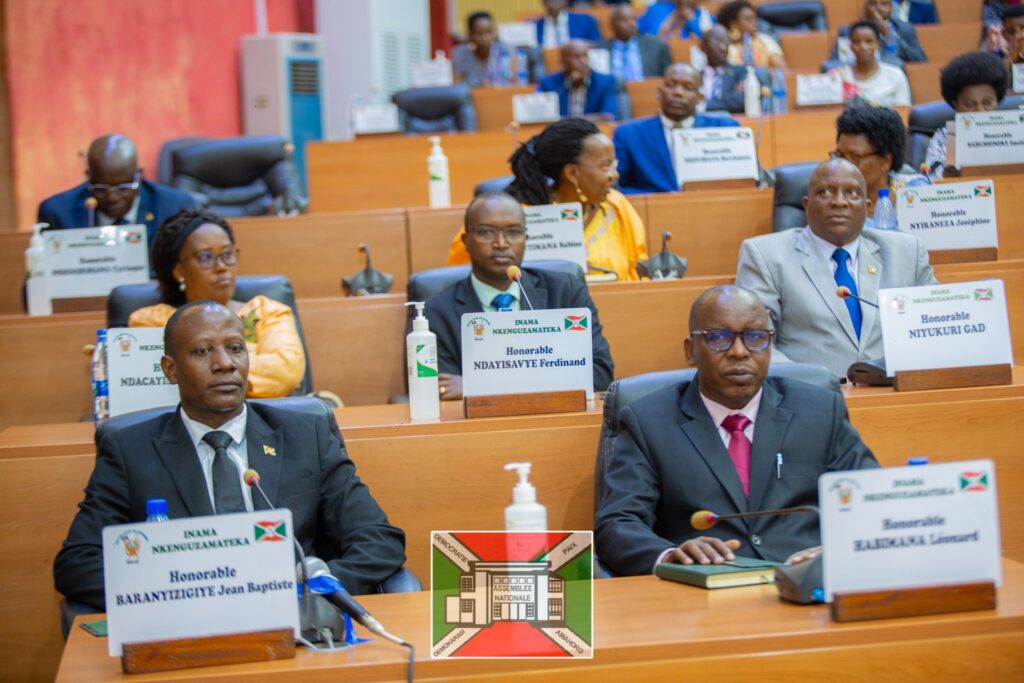
Lawmakers welcomed the report and adopted a declaration endorsing its conclusions. They also urged the Commission to continue its work on unresolved disputes over land and property confiscated during successive periods of conflict.
For Burundi’s leaders, the publication of the report forms part of a broader effort to confront the country’s violent past. Officials insist that uncovering the historical truth is intended not to inflame ethnic tensions but to promote reconciliation and reduce the risk of future atrocities.
Yet the legacy of 1972 remains politically sensitive. Historians have long documented the large-scale killings of Hutus that followed an armed insurgency in the south of the country, while debates over responsibility, victimhood and historical memory continue to shape Burundi’s national conversation.
The Commission’s findings are likely to intensify calls for greater recognition of the victims and renewed efforts to address the long-term consequences of one of the deadliest episodes in the history of the Great Lakes region.