Burundi’s Gulf labour pipeline under fresh scrutiny after group reports 12 deaths
Aluchoto, a Bujumbura-based association, also counts 121 women and girls abused and 97 people held in private homes, and accuses the agencies that send workers abroad of human trafficking.

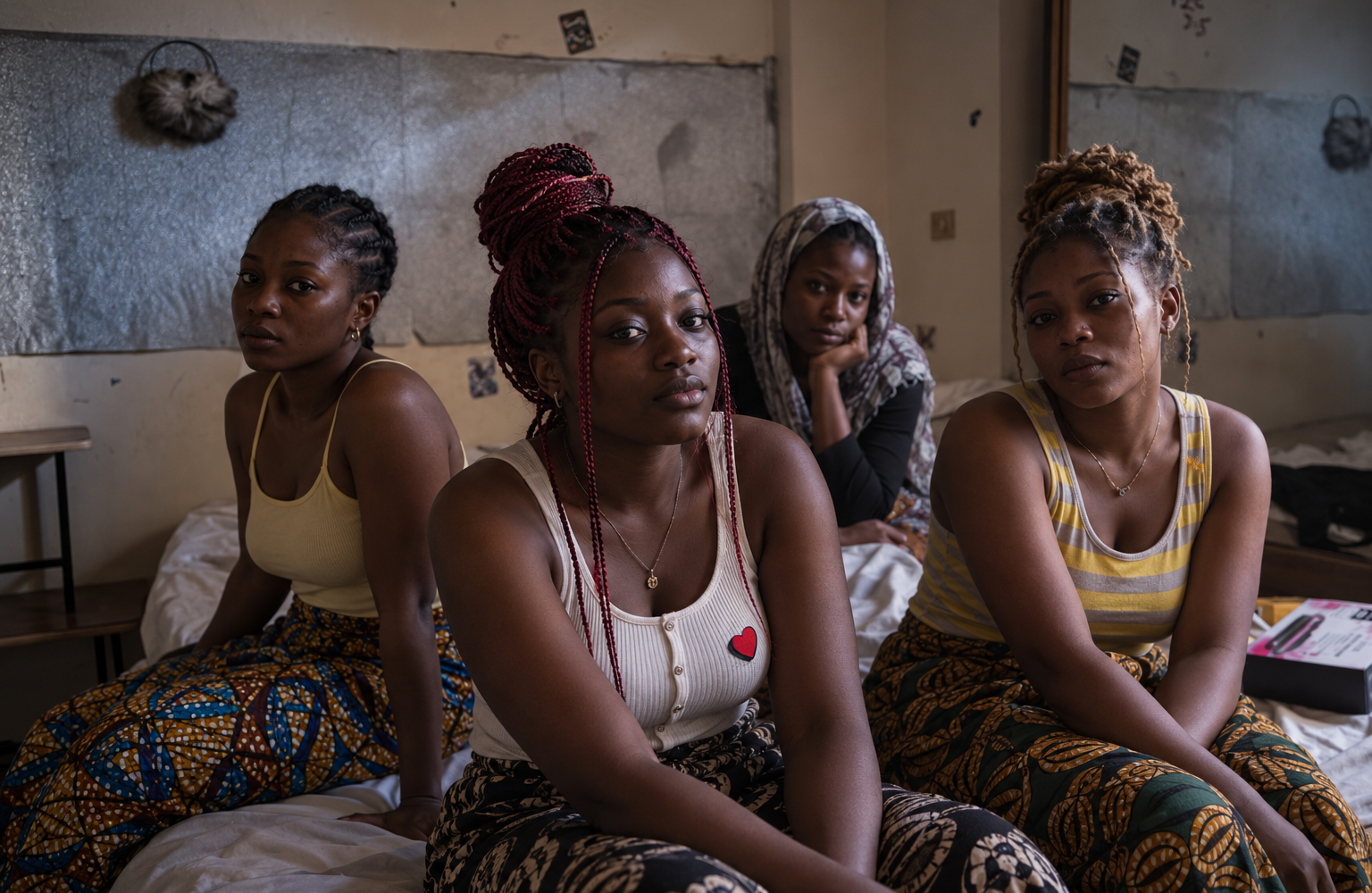
Twelve Burundian women who went abroad for work have been killed in Arab countries since the start of 2025, according to Aluchoto, a Burundian association that campaigns against unemployment and torture. In a statement covering the period up to May 2026, the group also said that 121 women and girls had been abused or subjected to cruel treatment, and that 97 people had been held in unlawful places of detention, which it described as private houses in those countries.
The figures have not been independently verified. Aluchoto has not published the women’s names, the countries where they died or how they were killed, and the Burundian government has released no comparable count. The numbers are identical to those the group gave in October 2025, when it reported 121 women subjected to violence, torture and rape in Arab countries, 97 people arbitrarily detained, and 12 killed by their employers. The new statement says the period it covers runs to May 2026. It does not explain why the totals are unchanged.
Vianney Ndayisaba, who heads Aluchoto, aimed most of his criticism at the agencies that recruit Burundian workers for jobs abroad. He said none of them follows up on the people they place and accused them of being interested only in making money. He called for every one of them to be shut down on the grounds that they engage in human trafficking. He also urged the government to create a directorate-general within the Ministry of Foreign Affairs, with enough resources to take charge of sending workers abroad.
The labour corridor he is attacking is recent and fast-growing. Burundi and Saudi Arabia signed an agreement on 3 October 2021 that is meant to govern the recruitment of Burundian domestic workers. In February 2025, Foreign Minister Albert Shingiro said 17,000 Burundian women were working in Saudi Arabia, counting those who left both before and after the agreement. Another Burundian organisation, the ONLCT, has put the number recruited since 2023 at more than 20,000. It says 61 licensed agencies are approved to place workers there.
Earlier data point to a problem larger than any single tally. According to the US State Department’s annual trafficking report, as cited by the French outlet Afrique XXI, the Burundian government said 676 women working in Saudi Arabia and Kuwait received consular support, legal help or repatriation assistance between 2020 and 2022. International organisations identified 1,409 potential trafficking victims among women returning from abroad in 2022.
The government has already acknowledged some abuses. On 22 December 2025, Foreign Minister Édouard Bizimana sent a memo to all recruitment agencies. It introduced a mandatory identification form that workers must present before boarding at the airport, and it required agencies to provide a notarised partnership agreement with a legally recognised agency in the destination country. Four days later, at a public meeting in Muramvya, Ndayisaba told President Évariste Ndayishimiye that some agencies demanded half of a candidate’s salary before departure and held those who refused in secret locations. The president told the interior and foreign ministries to act. He said any agency accused of serious misconduct “should be suspended immediately.” It is not publicly known how many agencies have been suspended since.
Aluchoto’s allegations match what researchers have found elsewhere in the Gulf. Amnesty International reported this year that Saudi Arabia began reforming its sponsorship system in 2021, but that domestic workers have not fully benefited from the changes. The Saudi government told Amnesty that allegations of abuse are taken seriously and investigated. Human Rights Watch has noted that Saudi Arabia has not ratified the ILO Domestic Workers Convention.
Aluchoto says it has also been bringing women home. In August, Ndayisaba said the association had helped repatriate 22 women in 2026 who had reportedly been abandoned or mistreated in their host countries. The government has not responded publicly to his latest call to close the agencies.