Who will control Burundi’s electoral machinery in 2027?
Behind the language of inclusiveness and consensus surrounding the newly appointed Provincial Independent Electoral Commissions lies a more troubling question: can bodies tasked with guaranteeing electoral fairness remain independent when the ruling party occupies so many key positions?

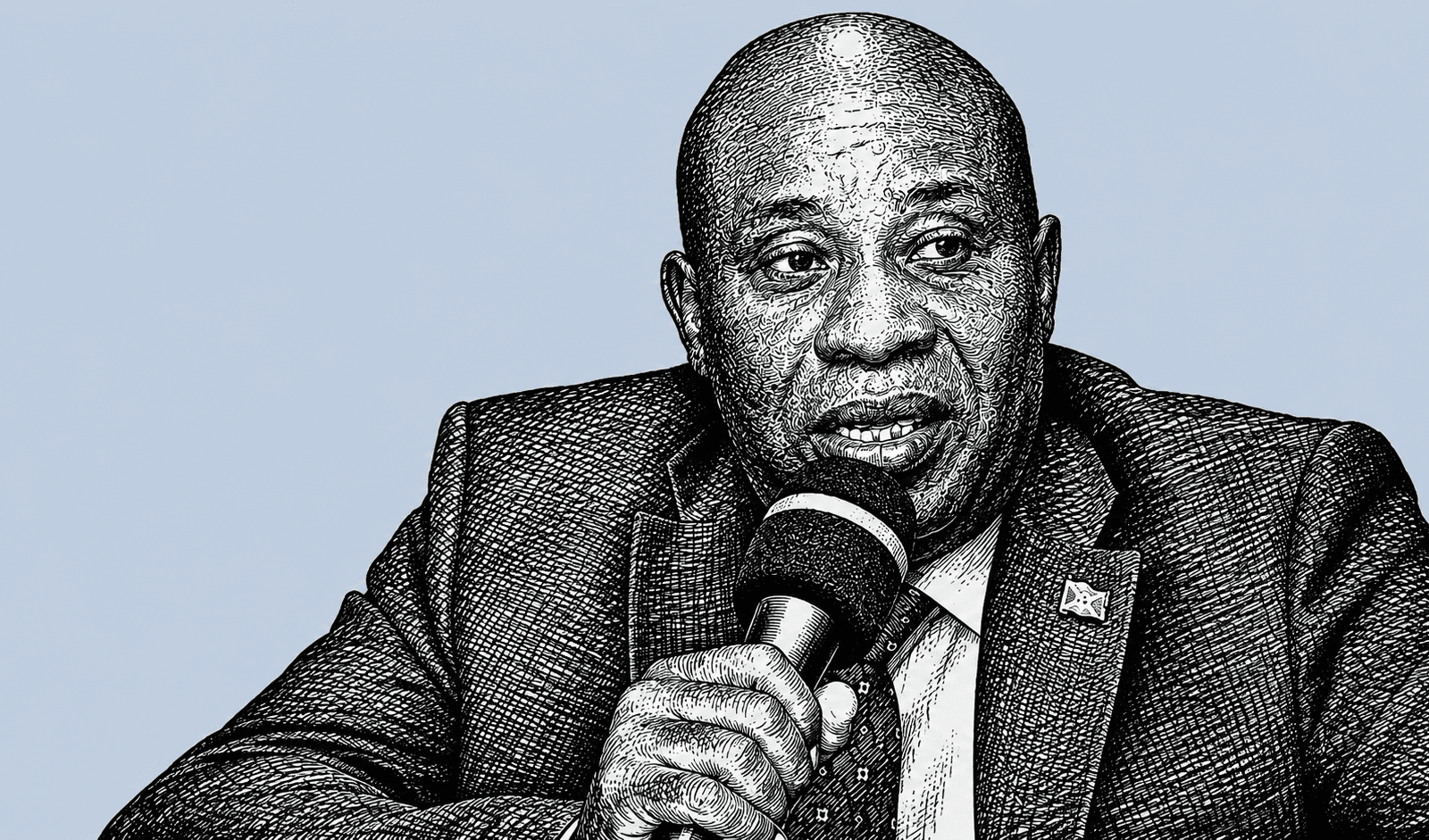
More than a year before Burundi’s 2027 presidential election, the appointment of members to the Provincial Independent Electoral Commissions (CEPI) is already raising questions about the neutrality of the electoral process.
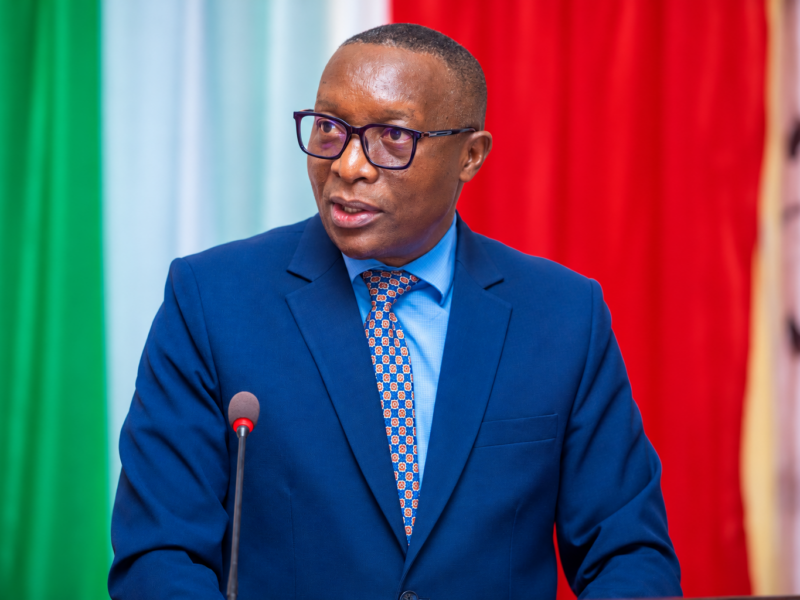
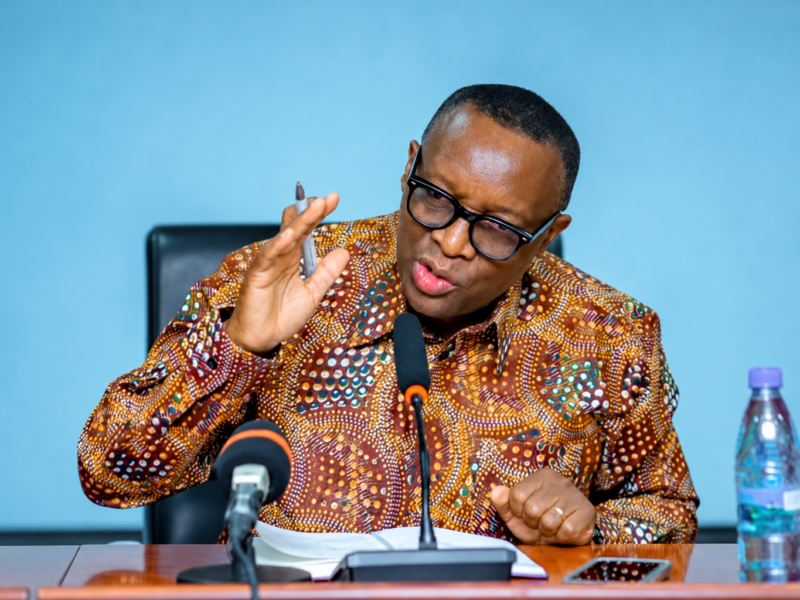
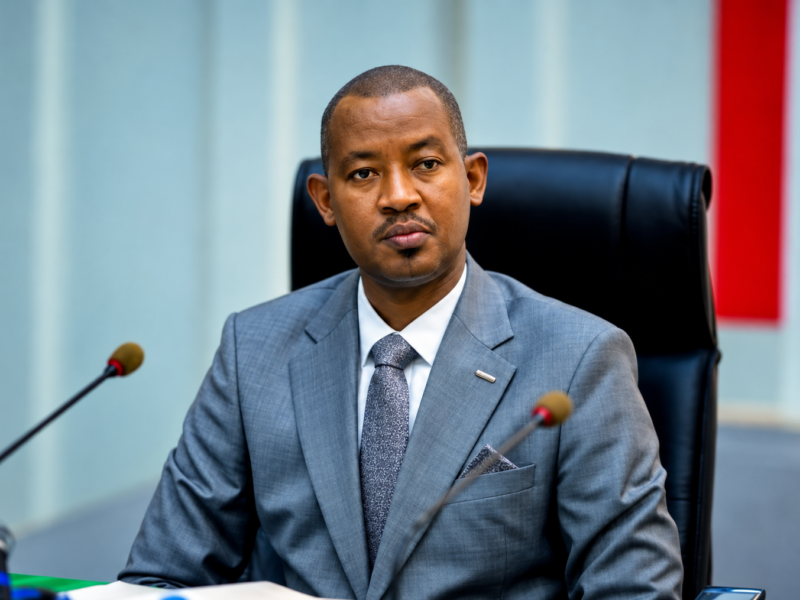
On June 15, the National Independent Electoral Commission (CENI) unveiled the thirteen members who will oversee preparations for the 2027 presidential election in Bujumbura Province. Officially, the electoral body presented the appointments as evidence of a diverse composition bringing together representatives from political parties, religious organizations, and civil society.
A closer look at the lists released across several provinces, however, suggests a different picture.
An examination of the appointments published so far shows significant representation of members affiliated with the CNDD-FDD, the party that has governed Burundi since 2005.
Based on publicly available nominations, 18 of the 50 confirmed CEPI members nationwide are openly linked to the ruling party, representing 36% of the positions announced to date. The CNDD-FDD also occupies a number of key roles, including several commission presidencies and positions responsible for electoral logistics.
In Bujumbura Province for example, CEPI President Egide Ngendambizi is a CNDD-FDD member, while two additional members of the commission are also affiliated with the ruling party. Similar patterns appear in other provinces, where CEPI presidents frequently come from the CNDD-FDD.
While electoral laws require representation from different sectors of society, critics argue that the distribution of power within these commissions remains heavily tilted toward the ruling establishment.
Questions over the ndependence of “Non-Partisan” Members
CENI emphasizes that several seats are reserved for representatives of civil society organizations, religious denominations, and individuals directly appointed by the electoral commission.
Yet political observers argue that many of these supposedly independent figures maintain close ties to state institutions or to networks aligned with the ruling party.
“The issue is not only the number of CNDD-FDD members,” says one Burundian political analyst who requested anonymity. “The question is whether the individuals presented as independent can genuinely act independently from the government and the ruling party.”
Particular attention has focused on members appointed directly by CENI. Opposition figures have long argued that such appointments strengthen the influence of an institution whose neutrality has repeatedly been questioned during previous electoral cycles.
The composition of electoral bodies has been a recurring source of controversy in Burundi. Previous elections, particularly the 2020 presidential vote, were marked by criticism from opposition groups and human rights organizations, which alleged irregularities and an uneven political playing field. Authorities rejected those accusations and maintained that the electoral process complied with national law.
The latest appointments come as preparations begin for what will be a critical presidential election, with concerns persisting over political freedoms, opposition participation, and the independence of state institutions.
Unanimous approval raises eyebrows
According to CENI, the composition of the Bujumbura CEPI was approved unanimously by acclamation during the June 15 meeting attended by political parties, religious leaders, and civil society representatives.
For some observers, however, the absence of visible debate is itself noteworthy.
“When an institution tasked with guaranteeing electoral fairness is approved without meaningful public discussion, it does little to strengthen confidence in the process,” says a Bujumbura-based researcher specializing in governance issues.
CENI insists that all appointments were made in accordance with Article 38 of Burundi’s Electoral Code and that the commissions are designed to ensure effective electoral administration throughout the country’s provinces.
Whether these bodies will be viewed as genuinely independent, or as extensions of the ruling party’s influence, may become one of the central questions shaping Burundi’s road to the 2027 presidential election.