Francis Rohero wins FPI nomination with a promise to rebuild Burundi

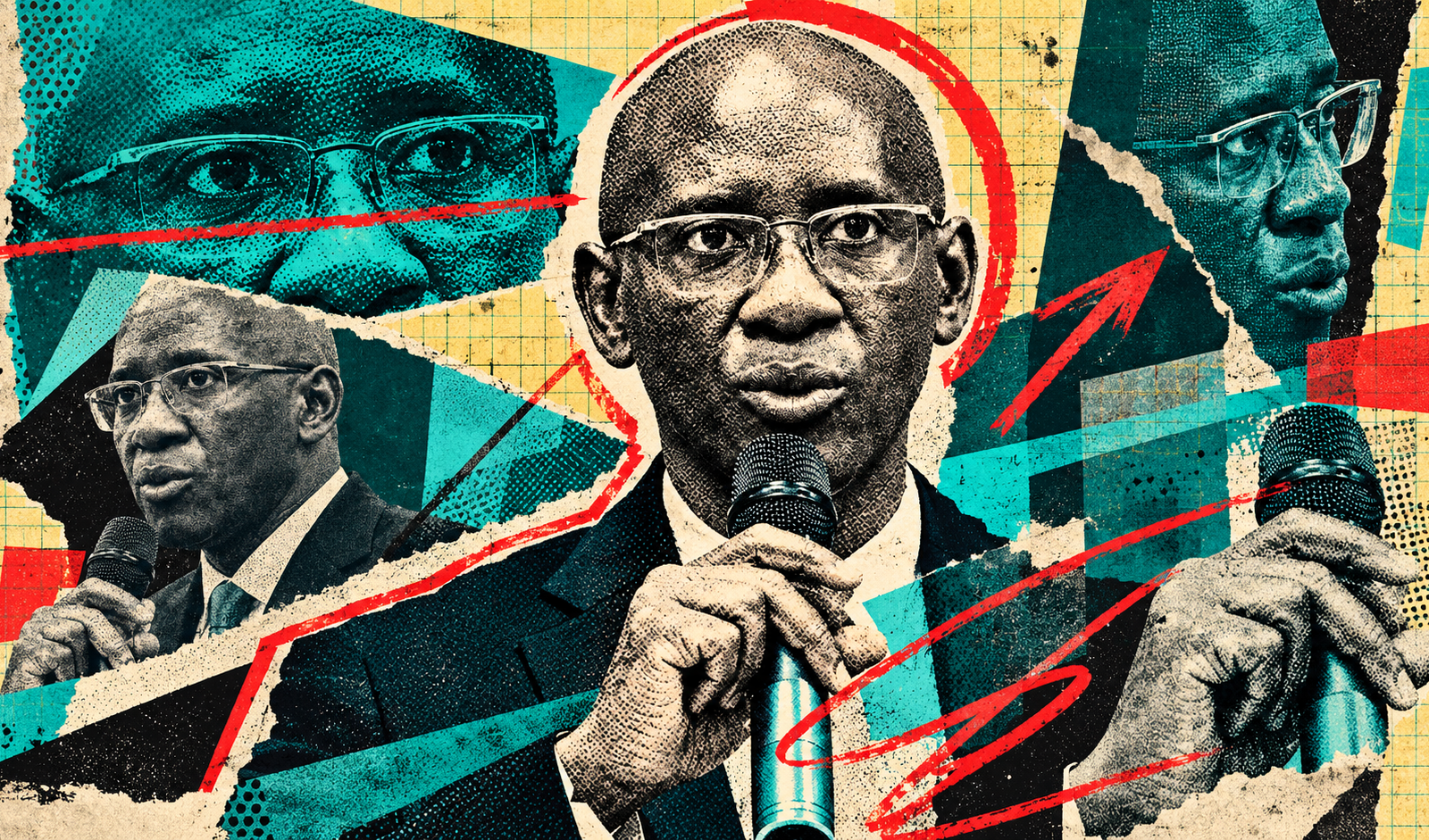
Francis Rohero will carry the banner of the Fraternité des Patriotes-Ineza in Burundi’s 2027 presidential election after securing a victory in the party’s internal vote.
The ballot was held online on September 5, 2026, alongside an extraordinary national congress in Bujumbura. Rohero received 171 of the 195 votes cast, or 87 per cent, comfortably defeating Donate Nduwimana, the FPI’s public relations officer. The result leaves little doubt about whom the young party wants at the centre of its national campaign.
Rohero, who comes from the Rohero neighbourhood of Bujumbura, has led the FPI since the party obtained legal recognition in 2023. He is already familiar with the pressures of a presidential contest. In 2020, he entered the race as an independent, in an election ultimately won by Évariste Ndayishimiye, Burundi’s current head of state.
This time, Rohero will stand with the support of an organised political movement. He becomes the fourth candidate so far chosen by a party for 2027. Ndayishimiye has been designated by the ruling CNDD-FDD, while Banzawitonde has been selected by the APDR and Abel Gashatsi by UPRONA.
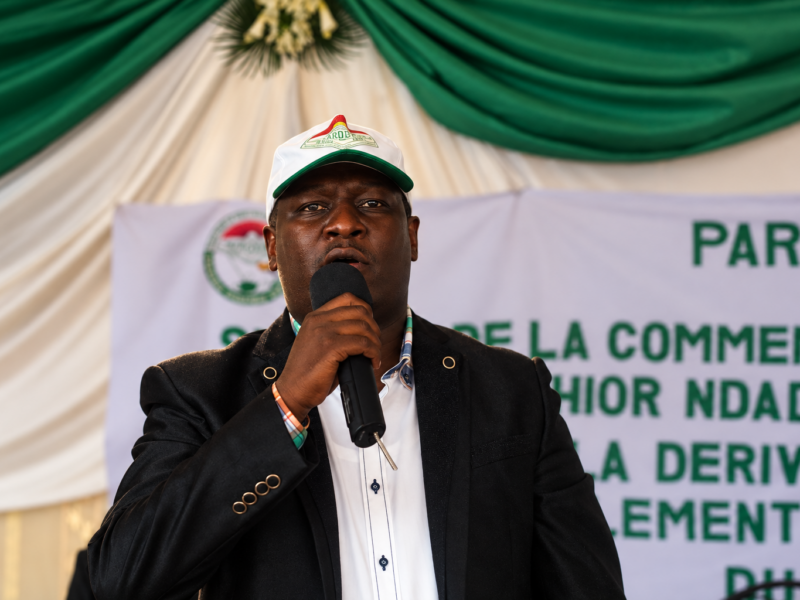
Yet Rohero used his acceptance speech to present his candidacy as something more than another name on a growing list. His central message was reconciliation. Burundi’s future, he argued, cannot be built by endlessly returning to the wounds that have shaped its past.
“We are not here to keep repeating the evils of the past,” he told party members. “Our future will not be built on the suffering we endured, but on our determination to live together as brothers and sisters.”
It was a deliberately hopeful line in a country where memories of conflict remain close to the surface. Rohero said the FPI’s name itself expresses the idea of fraternity among Burundians. Political plans, he added, mean little if they are separated from compassion.
“There is no point in having a vision if you do not have a humane heart,” he declared.
The speech soon moved from principle to the frustrations of everyday life. Rohero listed the shortages and declining services that, in his view, weigh most heavily on Burundian families: fuel, electricity, clean water, medicines, quality education and a stable currency. These are familiar concerns, but the FPI leader presented them as evidence of a deeper failure of government.
He pointed to the congress itself. Organisers had expected more than 1,000 party members, he said, but only about 600 were able to attend. According to Rohero, many of those who stayed away could not make the journey because transport was unavailable. A political gathering had become, in his telling, a small illustration of the country’s wider difficulties.
For Rohero, such problems do not persist because solutions are impossible. They persist, he said, because leadership has been poorly organised and badly managed. That argument is likely to form the backbone of his campaign: Burundi does not lack potential, but it needs a different way of governing.
His remarks gave the congress a campaign frame: reconciliation in tone, criticism of management in substance. Rather than dwell on history, he linked unity to the question of whether citizens can reach work, find medicine or keep the lights on.
He also promised to make the rebuilding of relationships a priority. That means restoring trust among Burundians while strengthening ties with neighbouring countries. The emphasis allows him to connect domestic reconciliation with regional diplomacy, two themes that could give the FPI a recognisable place in the campaign.
The nomination is a clear personal victory, but the larger test now begins. Winning 87 per cent inside the party demonstrates authority; persuading a national electorate is another matter. The FPI is still relatively new, and Rohero will face established organisations with deeper networks, greater visibility and more experience mobilising voters across the country.
His previous presidential bid gives him one advantage: he knows the terrain and cannot be dismissed as a complete newcomer. But 2027 will show whether he can turn that experience, and his message of fraternity, into a broader political force.
For the moment, Rohero has secured his party’s confidence. His next task is to convince Burundians that healing the past and fixing the present can belong to the same programme.