Dr Pie Masumbuko, Burundi’s first medical doctor, dies aged 95
He became Burundi's first medical graduate before the country had fully found its footing as an independent nation. Dr Pie Masumbuko's life helped shape both its healthcare system and its place on the world stage

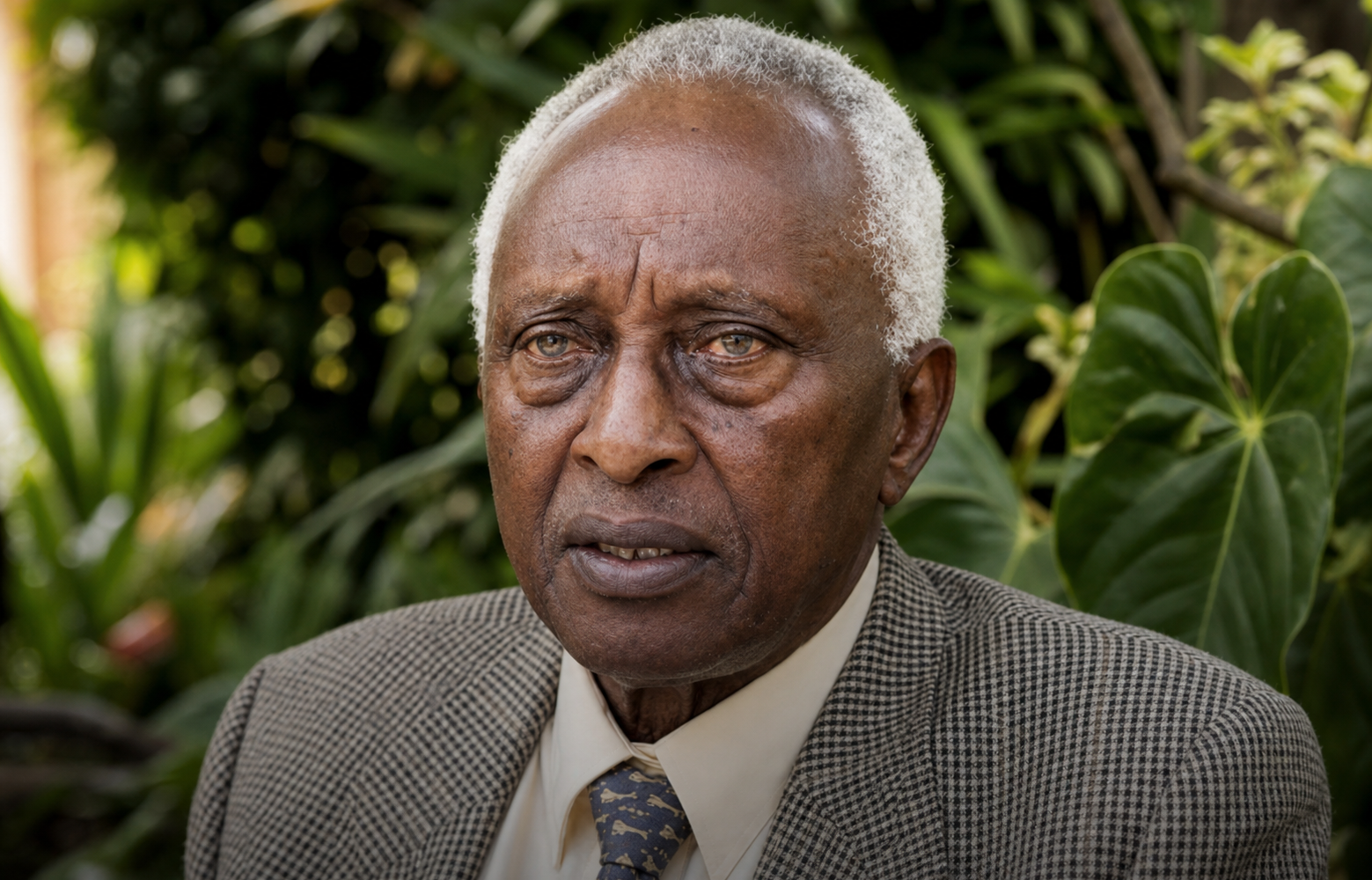
A physician, minister and World Health Organisation official, Masumbuko helped shape Burundi’s healthcare system in the years after independence.
Dr Pie Masumbuko, the first Burundian to earn a doctorate in medicine and one of the country’s most distinguished public servants, has died aged 95.
His death on July 26 closes the chapter on a generation that stood at the intersection of colonial rule and independence, when the country’s first doctors, lawyers and civil servants were called upon to build the institutions of a new state.
Born in Muramvya on July 29, 1931, Masumbuko began his education in Bukeye and Kiganda before enrolling at the Medical Assistants School, where he graduated in 1952. Three years later, while serving as a member of the General Council of Ruanda-Urundi, he was awarded a government scholarship to continue his studies in France.
He completed the French Baccalauréat in Paris in 1958 before graduating from the University of Paris with a doctorate in medicine in 1961. The achievement made him the first Burundian to obtain the qualification, a milestone in a country where higher education remained largely out of reach during the final years of Belgian administration.
Following Burundi’s independence in 1962, Masumbuko exchanged the lecture halls of Paris for the demands of public office. He served as First Deputy Prime Minister and Minister of Public Health in the governments led by Pierre Ngendandumwe, one of the leading figures of the independence movement. He later became Minister of Foreign Affairs, remaining in office until November 1966 during a period marked by political uncertainty and the difficult task of establishing the country’s diplomatic institutions.
His career would soon extend beyond Burundi.
In 1973, Masumbuko joined the World Health Organisation, beginning nearly two decades of service with the UN agency. He represented the organisation in Chad between 1974 and 1976 before serving in Côte d’Ivoire from 1985 until 1992, working on health programmes across West Africa at a time when many countries were expanding vaccination campaigns and strengthening primary healthcare.
Although medicine defined his professional life, it did not exhaust his intellectual interests. While living in Paris, he also studied political science, anthropology and ethnology, reflecting a conviction that healthcare could not be separated from the societies and cultures it served.
Over the course of a career spanning four decades, Masumbuko received numerous honours recognising his contribution to medicine, public administration and international health. Yet colleagues often remembered him less for the distinctions than for the quiet authority with which he carried them.
His career mirrored the story of a newly independent Burundi: a physician trained abroad who returned home to serve in government before taking his experience onto the international stage. Few Burundians of his generation occupied so many of the country’s defining institutions, from the cabinet table to the World Health Organisation.
Dr Pie Masumbuko leaves behind a legacy measured not only in titles or offices held, but in the generations of Burundian doctors who followed the path he helped open.
He died three days before what would have been his 95th birthday.