Burundi opens fertiliser imports to farmers after years of state-controlled supply
Farmers, their associations and cooperatives may now apply for permits to bring in DAP, urea and potash, though liquid fertilisers stay banned.

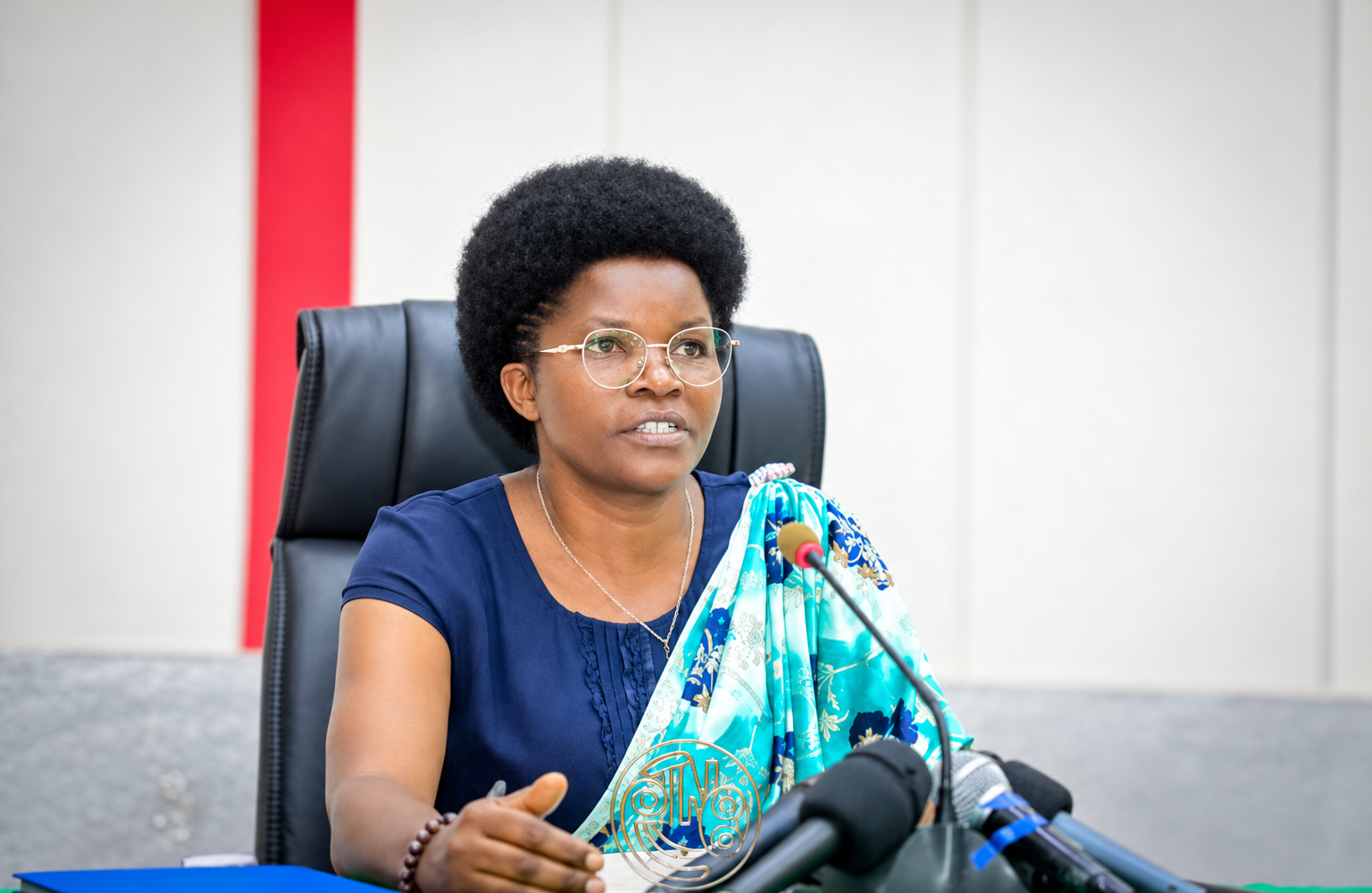
Burundi’s agriculture ministry has authorised farmers, farmers’ associations and agricultural cooperatives to apply for permits to import mineral fertiliser. The decision loosens one of the tightest state controls over the country’s farm economy after several seasons of shortages and late deliveries.
The communiqué is dated 21 October and signed by Calinie Mbarushimana, minister of environment, agriculture and livestock. It says applicants must prepare the required documents in order to obtain an import permit, and that the aim is to make it easier for farmers to get the fertiliser they need.
Four kinds of product are allowed: diammonium phosphate (DAP), urea, potassium chloride (KCl), and fertilisers equivalent to FOMI Imbura, FOMI Bagara and FOMI Totahaza, the three blends made by Burundi’s domestic manufacturer. Liquid fertilisers are excluded. The ministry told the agencies that control goods entering the country to apply the notice and make sure its rules are followed.
The change matters because fertiliser supply has been closely controlled since 2019. That year, imports of chemical fertilisers were banned and FOMI, Fertilisants Organo-Minéraux Industries, was granted a monopoly on their manufacture.
A 2020 report on a donor-funded farm productivity project said imports from the 2019 B season onward were reserved for ITRACOM-Fertilisant, the company behind the FOMI plant. A Bujumbura think tank, the Centre for Development Great Lakes, wrote last year that traders were barred from selling chemical fertiliser and that importing it without agriculture ministry approval was prohibited.
That system has failed to deliver on time. In September, farmers in Ruyigi district, in eastern Burundi, told SOS Médias Burundi they had received no chemical fertiliser for three farming seasons. Some said they had sold land or livestock, or taken bank loans they could not repay.
During that month’s national registration drive for subsidised inputs, Boussessia Nkezimana, second vice-speaker of the National Assembly, said President Évariste Ndayishimiye had personally taken up the issue. Similar complaints came from Gitega in February, where growers reported late and partial deliveries of urea and organo-mineral fertiliser, some receiving only part of what they had paid for.
The supply problems have also become a fight inside government. On 27 December, finance minister Alain Ndikumana told the Senate that FOMI was claiming more than 50 billion Burundian francs from the state for fertiliser delivered beyond contracted quantities. He proposed giving provincial governors direct responsibility for fertiliser to improve traceability.
At a press conference four days later, FOMI’s deputy director general, Hermenegilde Manyange, rejected the accusations but acknowledged that the shortage of foreign currency was a major obstacle to production. The day before Ndikumana’s testimony, President Ndayishimiye had acknowledged that some officials had diverted farm inputs and allegedly resold them abroad.
Farmers’ groups and civil society had pressed for the kind of opening announced this week. A statement published this year by the Forum pour le Renforcement de la Société Civile (FORSC) relayed farmers’ recommendation that the government authorise the private sector to supply fertiliser. The group also reported that both imported fertiliser and FOMI’s locally made product routinely arrived late, sometimes months after the season had begun.
The products named in the notice are the ones Burundian farmers already use most. Data compiled by the International Fertilizer Development Center show DAP is the most imported and most widely used fertiliser in the country.
Much is still unclear. The communiqué gives no quotas, no deadline for applications and no processing time for permits. It does not say whether privately imported fertiliser will qualify for the national subsidy programme, or why liquid products are excluded. It also does not address what may be the biggest practical obstacle, which is foreign exchange.
The US State Department has reported that Burundi’s persistent foreign-exchange shortages have caused shortfalls of key imports, including fuel and fertiliser. Cooperatives that want to buy DAP or urea abroad will need hard currency the central bank has struggled to provide.
FOMI’s own position under the new arrangement is also undefined. The notice does not mention its contracts with the state, and the dispute over the sums it claims has not been publicly resolved. How quickly permits reach applicants, and whether imported fertiliser gets to farmers before the current planting season ends, will decide how much the measure changes in the fields.