A UN award for Burundi’s first lady’s foundation and the politics beyond the ceremony
A UN award for Burundi's First Lady's foundation has sparked celebration at home. But beyond the official narrative lies a more complex story about international recognition, political symbolism, and the power of soft diplomacy.

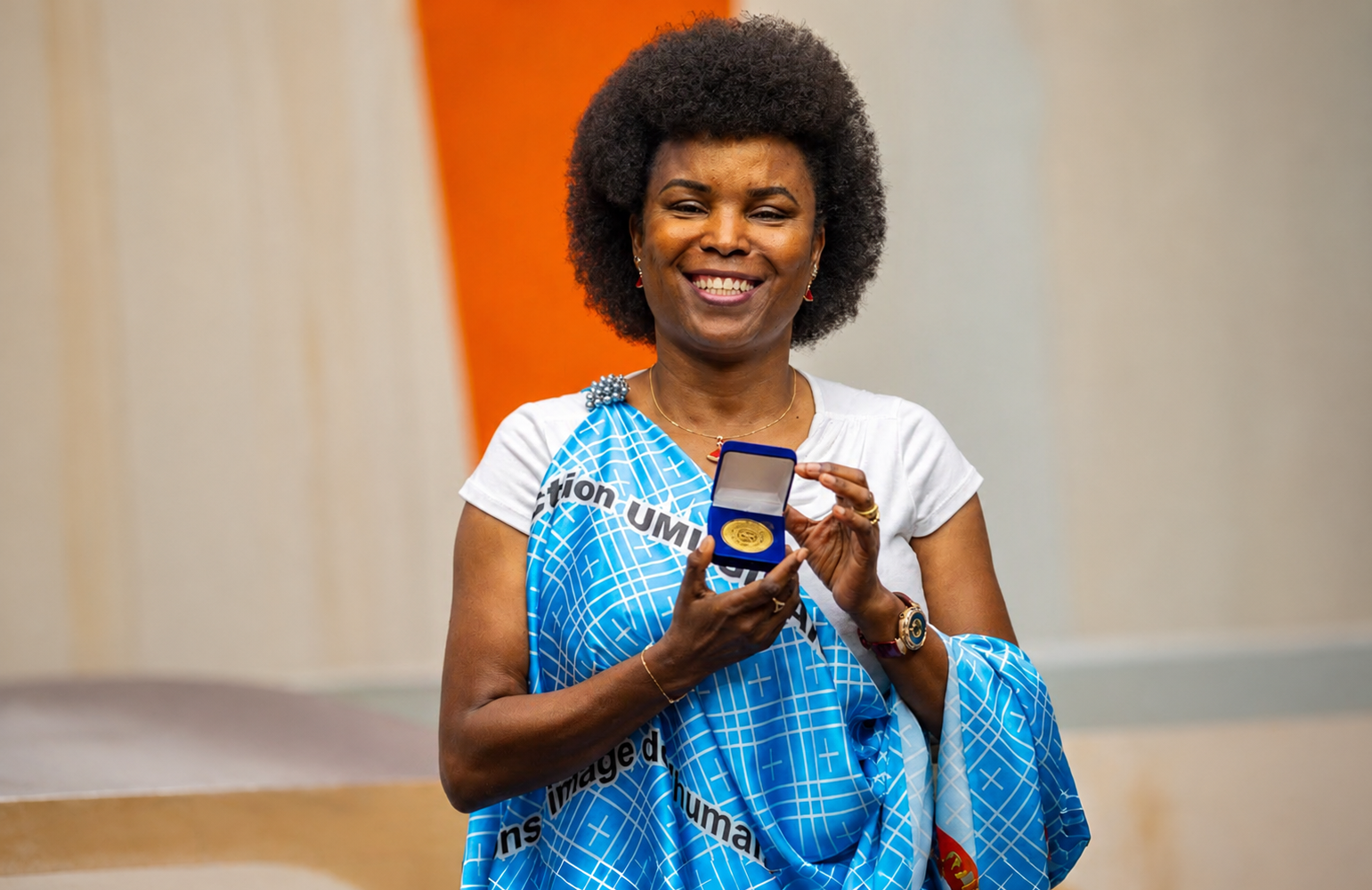
The United Nations has honoured Burundi’s Fondation Bonne Action Umugiraneza, led by First Lady Angeline Ndayishimiye, with the 2026 United Nations Population Award in the institutional category, recognizing its work to expand access to healthcare, maternal health services and social protection for vulnerable communities.
The announcement, made by the United Nations Population Fund (UNFPA), places the Burundian foundation alongside this year’s individual laureate, Professor Serigne Magueye Gueye of Senegal, one of Africa’s leading specialists in obstetric fistula surgery.
The annual award, established by the UN General Assembly in 1981 and presented for the 41st time this year, honours individuals and institutions whose work has produced significant advances in reproductive health and addressed population-related challenges.
While Burundi celebrated the international recognition of its First Lady’s foundation, much of the ceremony also focused on Professor Gueye’s decades-long campaign against obstetric fistula—a preventable childbirth injury that continues to affect thousands of women across sub-Saharan Africa.
For decades, the Senegalese surgeon has treated women suffering from the condition while training specialists from more than 45 African countries. Beyond the operating theatre, he converted his own family home into a health centre serving disadvantaged communities outside Dakar and has become one of West Africa’s leading advocates for maternal health.
Receiving the award, Professor Gueye rejected the idea that it belonged to him alone.
“I don’t take it as personal recognition. To me, it is collective work.”
He argued that eliminating obstetric fistula by 2030 would require stronger health systems, universal access to emergency obstetric care—including timely Caesarean sections—and greater community engagement to identify women who often remain hidden because of stigma.
Throughout his acceptance speech at UN Headquarters in New York, he described surgery not simply as a medical intervention but as restoring dignity, autonomy and livelihoods to women who have frequently been excluded from society.
Why the Burundian foundation was recognized
According to UNFPA, the Fondation Bonne Action Umugiraneza was selected for its efforts to improve access to healthcare, education and social services for vulnerable women, children and families throughout Burundi.
Among its flagship projects is the Polyclinique Umugiraneza, opened in Gitega Province in 2022, providing specialist services including paediatrics, emergency medicine, fertility treatment and maternal healthcare. The foundation also supports treatment for women living with obstetric fistula, surgery for children with congenital conditions and services for survivors of gender-based violence.
Speaking during the ceremony, Angeline Ndayishimiye described the award as “both a privilege and a responsibility.”
“It inspires us to pursue our mission with even greater determination.”
In a message delivered by UNFPA Deputy Executive Director Diene Keita, UN Secretary-General António Guterres congratulated both laureates, praising Professor Gueye’s “clinical excellence and humanitarian dedication” while commending the Burundian foundation for improving maternal health and strengthening local healthcare capacity.
The Secretary-General also framed the award within broader demographic challenges facing the world.
“To attain true demographic resilience, we must put the rights, dignity and well-being of all people at the heart of our development efforts. This is not just a matter of policy, but also a moral imperative.”
Recognition does not equal political endorsement
The distinction nevertheless raises an important question.
The United Nations Population Award recognizes the work of a specific institution. It does not constitute an endorsement of a country’s overall governance, democratic record or human rights situation.
This distinction is often overlooked in official communications.
Although the Bonne Action Umugiraneza Foundation operates in close partnership with Burundian public institutions and is chaired by the country’s First Lady, the award recognizes its documented contributions to maternal health and population issues rather than the broader performance of the Burundian government.
Burundi continues to face scrutiny from international human rights organizations over restrictions on civic freedoms, political pluralism and media independence. Those concerns are examined through separate UN mechanisms and played no role in the Population Award selection process.
A Foundation at the centre of political debate
Within Burundi, the award has been interpreted in sharply different ways.
Government supporters have celebrated the distinction as evidence of the country’s growing international standing and of Angeline Ndayishimiye’s expanding humanitarian influence.
Criticism, however, has also emerged, including from voices usually opposed to the government.
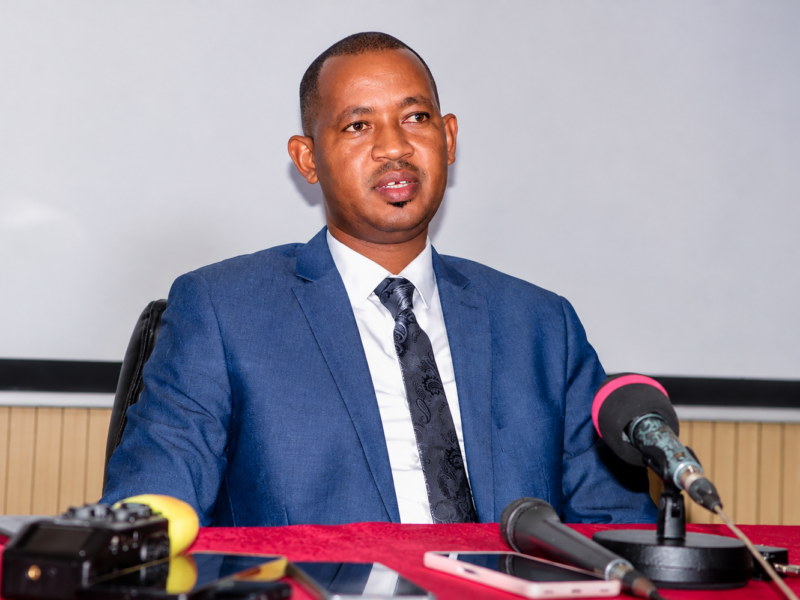
Political commentator Daniel Kabuto, a well-known opposition supporter and Gitega critic, acknowledged the foundation’s social work while arguing that the international recognition cannot erase the country’s economic hardships.
“Never in Burundi’s history has a First Lady attracted so much attention, for both good deeds and alleged schemes,” he wrote on social media.
Kabuto argues that rumours continue to circulate regarding the First Lady’s alleged influence over fuel imports, public procurement and business contracts involving members of her family. He does not provide evidence for these allegations, and no judicial findings establishing such wrongdoing were cited in his commentary.
At the same time, Kabuto says “no one can ignore” the humanitarian initiatives carried out by the foundation, particularly those benefiting Burundi’s poorest communities.
For him, the contradiction lies elsewhere.
International awards, he argues, coexist with daily realities marked by fuel shortages, rising living costs and persistent poverty. In his view, international recognition risks becoming political capital for a leadership that continues to face criticism over governance and economic management.
He also questions whether humanitarian achievements should overshadow broader debates about transparency, including the management of Burundi’s natural resources.
Between humanitarian recognition and political symbolism
International distinctions awarded to organizations led by political figures inevitably carry symbolic weight beyond the projects they recognize.
The UN Population Award highlights measurable contributions in maternal health, reproductive health and community development. It does not seek to evaluate a government’s overall political record.
Yet in Burundi’s polarized political environment, separating humanitarian achievement from political legitimacy proves difficult.
Supporters see the award as confirmation that Burundi’s social initiatives are gaining international recognition.
Critics argue that such honours should not distract from unresolved questions about governance, accountability and the everyday hardships facing Burundians.
Both narratives now accompany the same event.
That tension may ultimately explain why what began as an award ceremony in New York has become, back in Burundi, part of a much broader political conversation.