Burundi says suspected Ebola patient tested negative
The health minister moved to quash rumours of a first case as the Bundibugyo outbreak in neighbouring Congo nears 9,200 confirmed infections with no licensed vaccine.

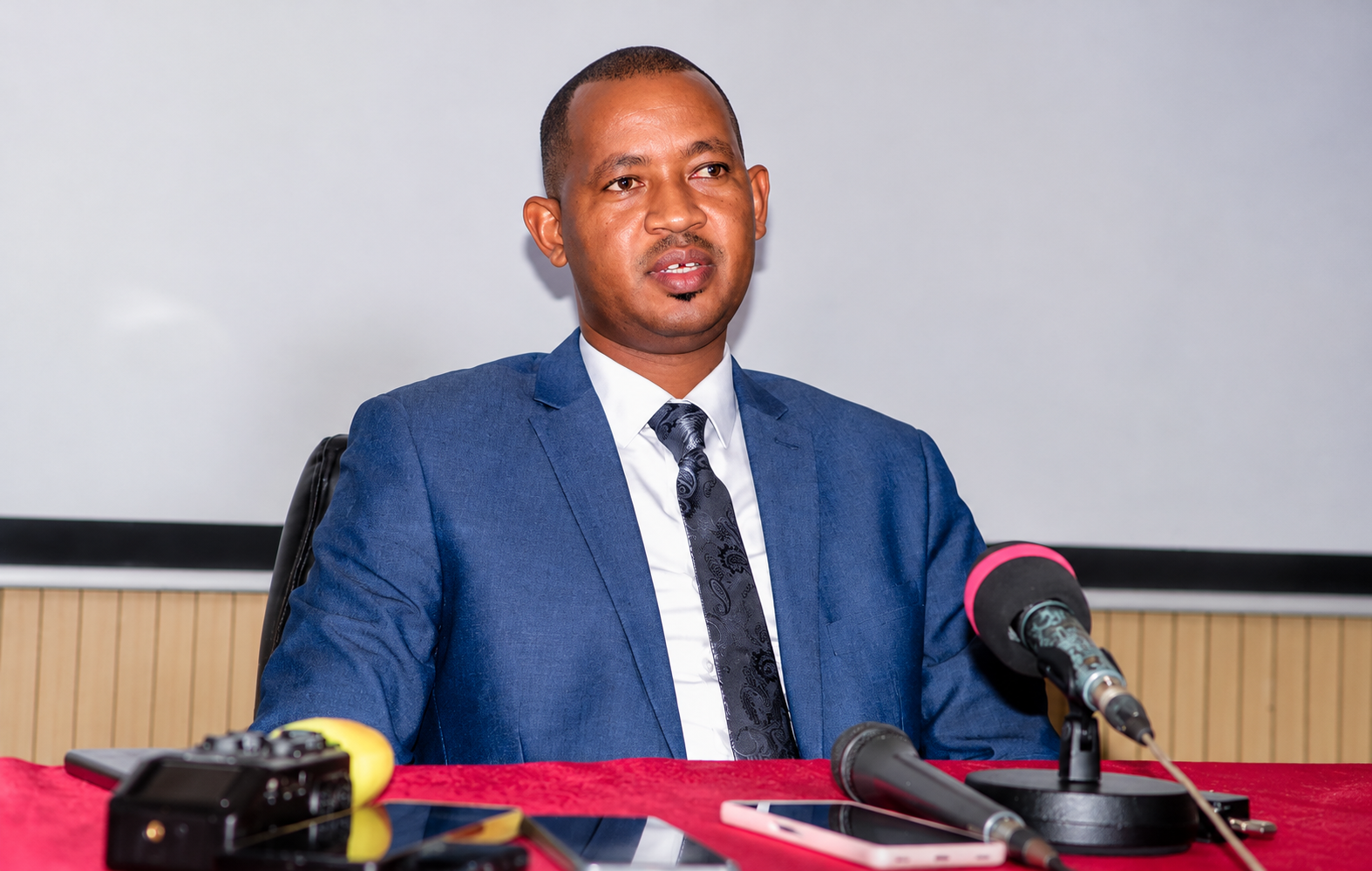
Burundi’s health minister said on Thursday that no case of Ebola has been detected in the country. He was responding to reports circulating in Bujumbura that a patient had been diagnosed with the disease.
Dr Fidèle Nkezabahizi, the minister of public health, told journalists on Thursday afternoon that a patient with symptoms consistent with Ebola had come to the Prince Régent Charles hospital in Bujumbura. “Doctors immediately took samples, and the results showed that he does not have Ebola or any other disease resembling it,” he said, speaking in Kirundi.
The minister did not say where the patient had travelled from, which tests were carried out or how long the results took. Nor did he say whether the patient had been placed in isolation while awaiting the diagnosis. As of Thursday, Burundi had not been listed among the countries affected by the outbreak.
The scare reflects how close the epidemic now sits to Burundi’s borders. Congolese health authorities declared the country’s 17th Ebola outbreak on 15 May 2026. It is caused by Bundibugyo virus and began in Ituri province. By 13 October, the Democratic Republic of the Congo had reported 9,144 confirmed cases, including 4,410 deaths. Of those cases, 79 were new on 12 October alone, according to the European Centre for Disease Prevention and Control.
The outbreak is the largest on record caused by Bundibugyo virus and the second-largest Ebola outbreak of any kind. In its first 100 days, it grew faster than any previously documented Ebola outbreak, the US Centers for Disease Control and Prevention reported. Health authorities have stressed that no fully approved vaccine or specific treatment exists for this strain. That leaves responders more reliant on detection, isolation and contact tracing than in recent outbreaks caused by the Zaire strain, against which a licensed vaccine has been used.
South Kivu, the Congolese province that borders Burundi, has so far been only lightly touched. Three cases, including one death, have been reported there, all from a single health zone. The CDC said the province has recorded no confirmed case since 29 May. The heaviest transmission remains further north: Ituri accounts for 6,734 cases and North Kivu for 1,938.
The virus has nonetheless shown it can travel. On 5 October, WHO was notified of a laboratory-confirmed imported case in Kenya in a person who had travelled from Congo. France has also reported an imported case. Uganda declared its own outbreak over on 28 July after 20 confirmed cases and two deaths.
Burundi has been preparing for months. Officials launched and validated a National Ebola Preparedness and Response Plan on 22 May 2026, a week after Congo’s declaration, with the Burundi Red Cross involved in community work. In an operational update, the International Federation of Red Cross and Red Crescent Societies said the risk of importation into Burundi remained significant because of continued population movement across the border. It singled out the corridors linking Burundi with Congo and Uganda.
That movement is constant. Bujumbura lies a short distance from the Congolese border, and traders, families and displaced people cross daily between Burundi and South Kivu.
Nkezabahizi used Thursday’s briefing to repeat the government’s prevention advice. He urged Burundians to wash their hands often with clean water and soap and to avoid physical contact. He also told them not to eat animals found dead and to keep away from anyone suspected of showing signs of the disease. He listed the main symptoms as fever, weakness, vomiting, diarrhoea and unexplained bleeding from the body’s openings.
“Anyone who sees one of these signs should report it quickly, especially to the health workers nearest to them,” he said.
Ebola spreads through direct contact with the blood or other bodily fluids of an infected person. In a region where a fever is more often malaria than anything else, the minister’s appeal amounts to a request that people report early rather than wait. Whether the system can absorb a flow of false alarms, and respond quickly to a real one, will depend on the laboratory and isolation capacity Burundi has built since May. The ministry has not published figures on that capacity.