Burundi raises alarm over treatment of Its citizens in Kenya
Arrested, stripped, beaten and robbed: that is how Burundi describes the treatment of some of its citizens in Kenya. With Nairobi preparing a crackdown on foreign-run shops and informal workers, Bujumbura is demanding protection


Burundi has raised the alarm over the treatment of its citizens in Kenya, accusing security officers of carrying out brutal arrests, beatings, theft and other abuses. The protest comes as Nairobi prepares a new operation against businesses run by foreigners, leaving many Burundians working in the Kenyan capital uncertain about Monday.
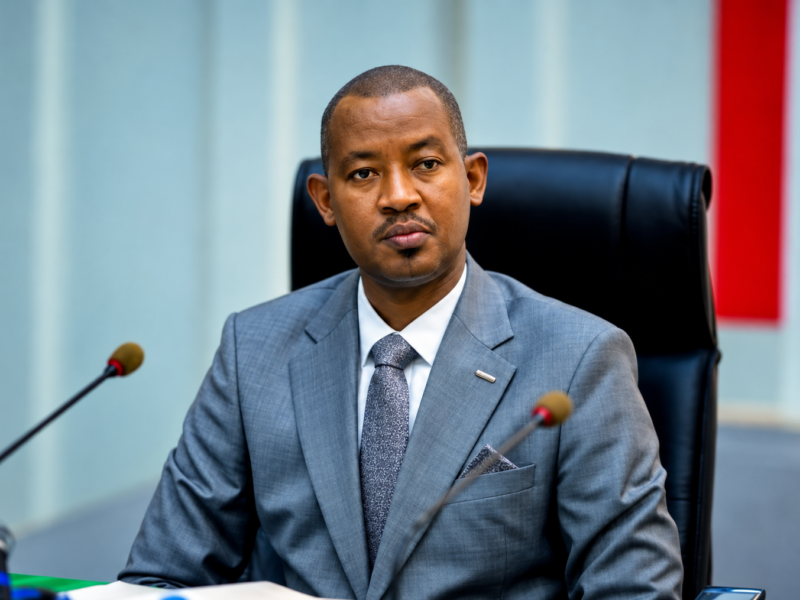
On Saturday, September 5, Foreign Affairs Minister Édouard Bizimana summoned the ambassadors of the East African Community member states in Bujumbura. His message was direct: citizens of partner countries must be treated with dignity, even when they are suspected of breaking local rules. The meeting focused on Kenya, where President William Ruto has announced a crackdown focused on small shops and informal work involving foreigners without regular immigration status.
For Bujumbura, the issue goes beyond a bilateral dispute. Burundi and Kenya belong to the EAC, a bloc built on the promise of closer ties, free movement and cooperation between neighbours. Mr Bizimana argued that images of Burundians being humiliated or assaulted sit uneasily with those principles.
“Seeing a person arrested, stripped and beaten is regrettable,” the minister said. “It is not acceptable between member countries of the same community.”
The warning reflects a growing sense of fear among Burundians in Nairobi. Many work in the parts of the economy that are most exposed to police checks: street trading, small retail, construction, domestic service, hairdressing, vehicle repair and other modest businesses. These are jobs that often offer little protection when rules change suddenly or enforcement becomes aggressive.
Videos and photographs circulating on WhatsApp have added to the anxiety. Burundians in Kenya are appealing to their government to intervene, asking not only for personal safety but also for protection of the livelihoods they have built. Their concern is simple: a campaign presented as immigration or commercial enforcement must not become a licence for violence, extortion or collective punishment.
The Burundian government has chosen, for now, the diplomatic route. Mr Bizimana asked Kenya’s ambassador to Burundi, Henry Wambuma, to transmit Bujumbura’s concerns directly to Nairobi and to help secure a peaceful solution. According to Burundi’s foreign ministry, Mr Wambuma stressed the strength of relations between the two countries and said no isolated incident should be allowed to damage them. He also pledged that his government would work to protect the dignity and safety of Burundians lawfully pursuing their activities in Kenya.
That reassurance will be welcomed, but the coming days will test it. The announced operation has created uncertainty over how officers will distinguish between those with valid papers and those without them, and whether traders and workers will have a fair chance to explain their situation. The challenge for Kenya is to enforce its laws without turning foreign nationals into convenient targets.
Bujumbura, meanwhile, is preparing for those who decide that returning home is the safest option. The foreign ministry says buses will be sent to bring willing Burundians back to Bujumbura. It will also issue temporary “laissez-passer” travel documents to nationals who lack the papers needed to cross the border legally. The measures are meant to provide an orderly exit for people who might otherwise find themselves trapped.
The Burundian authorities have also reminded their citizens across the EAC that regional integration does not exempt anyone from national law. Burundians living and working abroad, officials insist, must respect immigration requirements, business regulations and other rules in their host countries. It is a necessary message, and one that gives Bujumbura’s protest a careful balance: defend citizens from abuse, while acknowledging the right of Kenya to regulate its economy and borders.
The episode exposes the distance that can open between the EAC’s ambitions and daily life on the ground. Free movement may be written into regional agreements, but for a street vendor, mason or domestic worker, its meaning is decided during an identity check, a raid or an encounter with a police officer.
Kenya and Burundi have every interest in preventing the dispute from escalating. Nairobi can make clear that enforcement will be lawful and humane; Bujumbura can help its nationals regularise their status or return safely. For the Burundians waiting anxiously in Nairobi, however, diplomatic assurances will matter only if they are visible on the streets from Monday morning.