Africa turns to its youth and women to prevent future conflicts
In Bujumbura, Africa’s youth and women are demanding more than a seat at the table. At a continental dialogue on peace and security, they are making the case for a decisive role in shaping the Africa of tomorrow

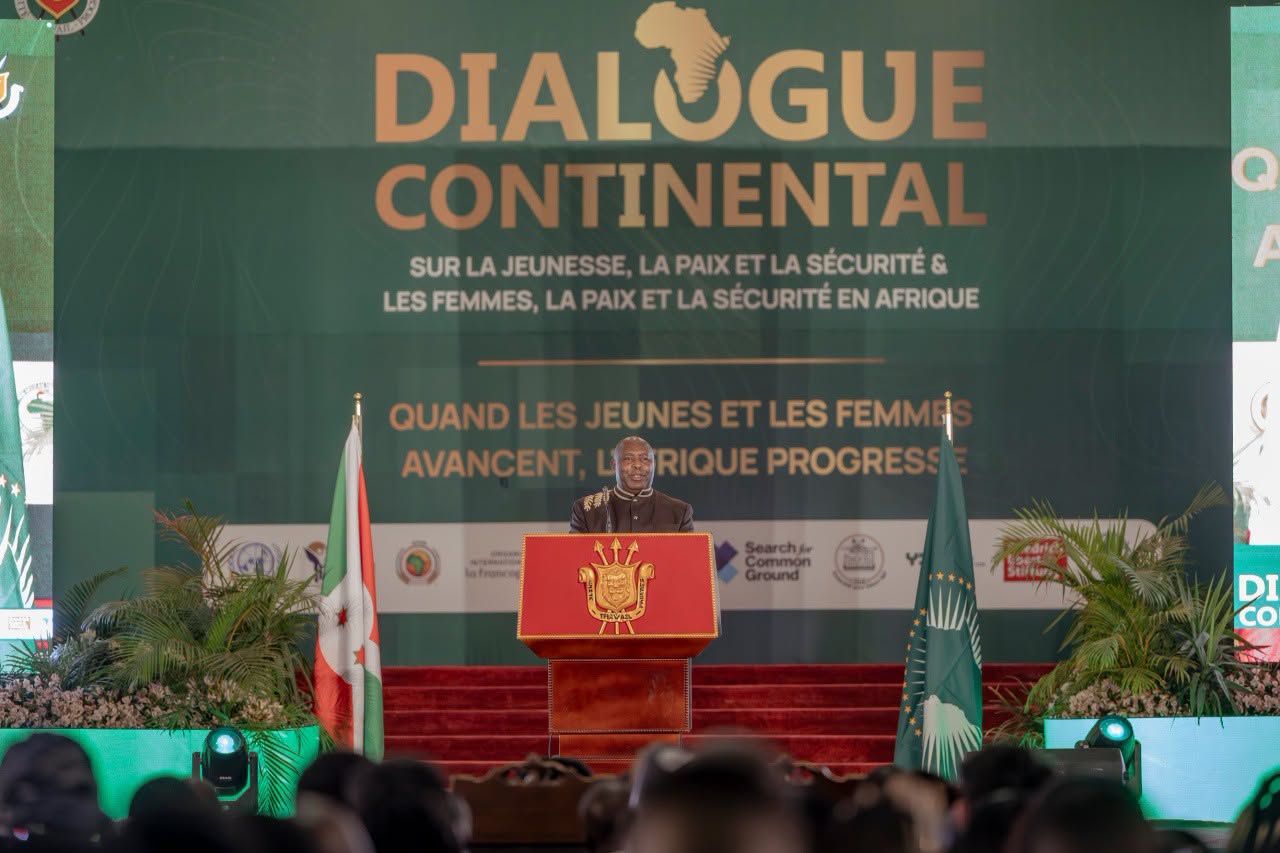
As Burundi hosts a high-level summit on youth, women, water and peace, Africa faces an uncomfortable contradiction: the continent’s largest generations are still largely absent from the rooms where its biggest decisions are made.
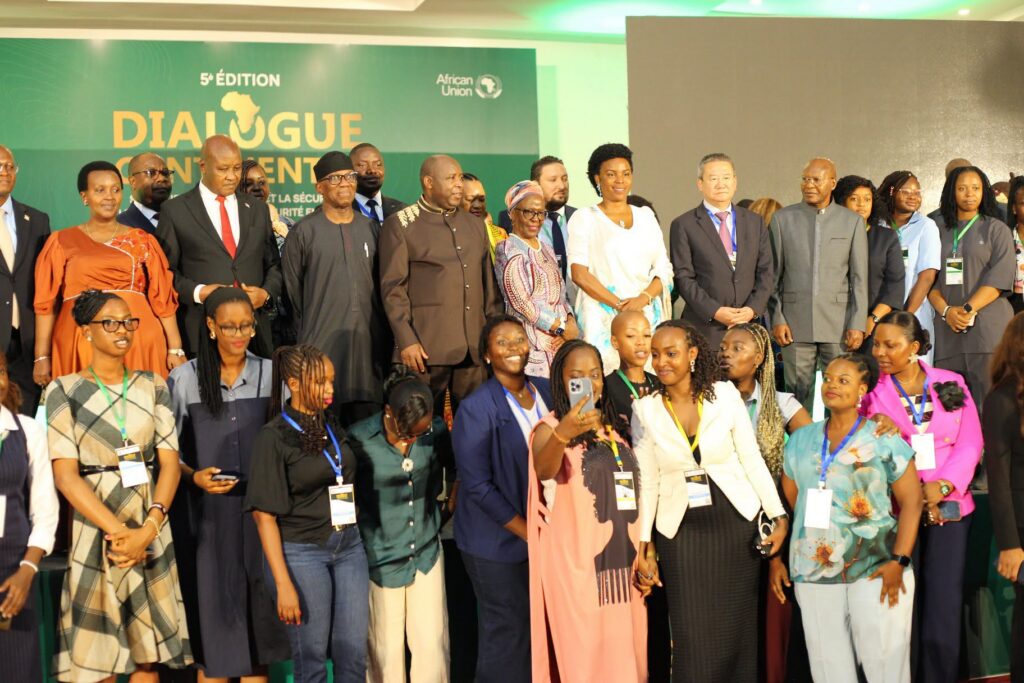
The presidential palace in Bujumbura was busy on Monday morning with the familiar choreography of African diplomacy: official cars, security details, government officials and delegates moving between meetings.
But this time, the usual cast of presidents and ministers was sharing the stage with a different constituency. Young Africans. Women.
And the issues being discussed were unusually close to the realities of ordinary life: water, land, natural resources, employment, political participation and the prevention of conflict.
From Monday to Wednesday, Burundi is hosting the fifth African-level special meeting on Youth, Peace and Security and Women, Peace and Security.
The choice of Bujumbura is deliberate. Since 2022, the city has held the title of African Youth Capital. President Évariste Ndayishimiye currently chairs the African Union and serves as its continental champion for Youth, Peace and Security.
The message coming from the summit is clear. Africa’s young people should stop being treated as spectators of the continent’s future. They should help decide it.
The numbers make the argument difficult to dismiss. Nearly 60 per cent of Africa’s population is under 25. That makes Africa the world’s youngest continent and gives it an enormous potential workforce, consumer market and pool of entrepreneurial and political energy.
It also creates a risk. A young population without enough jobs, education, skills or political influence can become frustrated. In fragile environments, that frustration can be exploited by armed groups and political movements.
That is why Ndayishimiye’s warning to young Africans was unusually direct: “Do not allow yourselves to be taken into war.”
The appeal goes to the heart of one of Africa’s most persistent security problems. Governments frequently discuss how to prevent young people from joining conflicts. The more difficult question is what they are offering young people instead.
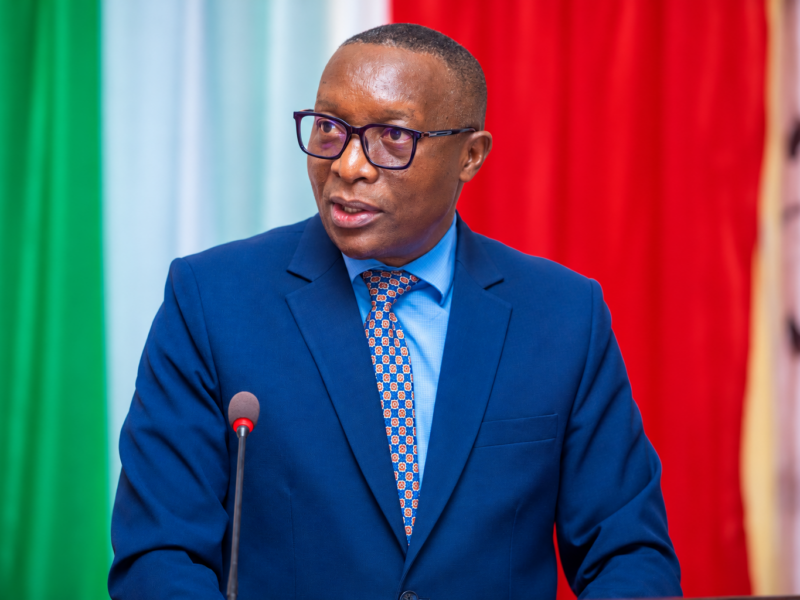
Thierry Ingabire, president of Burundi’s National Youth Council, offered his answer.
Africa’s young people, he argued, should fight their battles in schools and universities, agriculture and livestock, entrepreneurship and other activities capable of creating development.
The battlefield, in other words, should be replaced by the classroom, the farm, the workshop and the start-up.
Technology and environmental protection should also become part of that effort, particularly as competition over natural resources grows.
It is an attractive proposition. But it comes with a demand for governments: if young Africans are expected to choose education and enterprise over violence, there must be real opportunities waiting for them.
Being told that you are the future is less convincing when you have no influence over the present.
Water is becoming a security issue
That brings the summit to its most striking theme: water. For decades, water has largely been treated as a development problem. Bujumbura is asking Africa to see it differently.
President Ndayishimiye cited figures showing that more than 400 million Africans lack access to clean water, while roughly 700 million lack adequate sanitation.
Those numbers translate into something much more tangible than statistics. They mean long walks to collect water. They mean time taken away from school and work. They mean additional pressure on households.
And they mean that women and children often carry a disproportionate share of the burden. The issue becomes even more politically sensitive when water is considered alongside land, forests and minerals.
Where resources are scarce, people compete. Where distribution is perceived as unfair, grievances grow. Where institutions cannot resolve those grievances, disputes can become violent.
In the Great Lakes region, where political tensions, displacement, borders and competition over resources have repeatedly overlapped, the connection between resource governance and security is especially difficult to ignore.
Burundi has attached a particularly simple ambition to the debate. Under its long-term development vision, the government wants no Burundian to have to walk for more than 15 minutes to fetch water and return home.
It is the kind of political promise that can eventually be tested in ordinary life. Not through a communiqué. Not through a summit photograph. But with a stopwatch. How far is the nearest water point? How long does it take to get there? Does it work? And does it still work six months later?
That is where the politics of water becomes real.
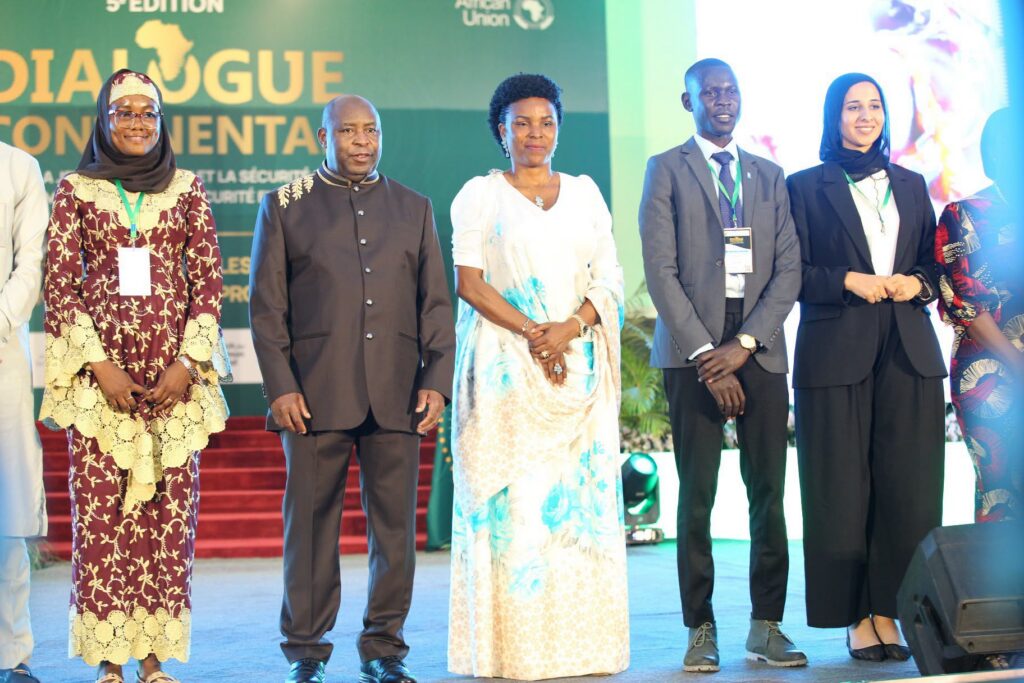
Women cannot remain guests at the peace table
The summit is also confronting another long-standing contradiction. Women are often among the first people affected when conflict destroys communities and livelihoods. Yet they remain dramatically underrepresented when peace is negotiated.
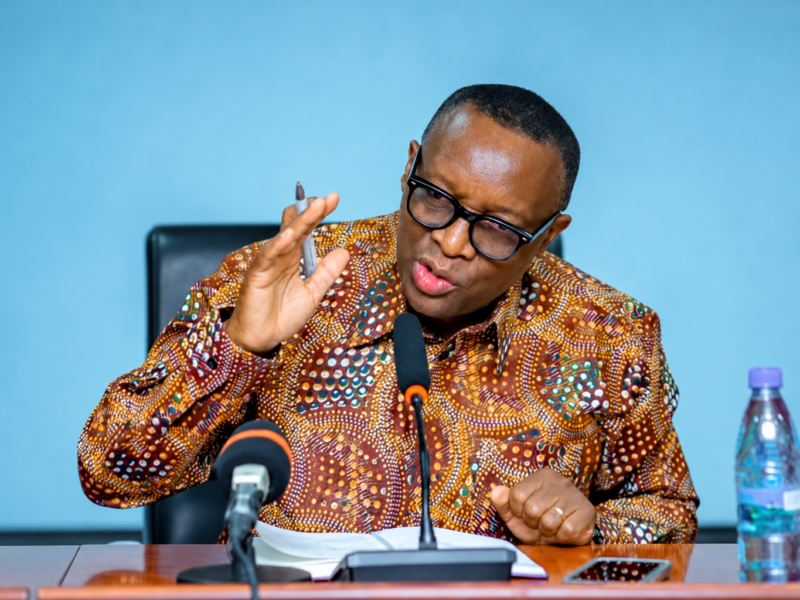
Emerence Bucumi, head of Burundi’s women’s forum, argued that women and young people should have a greater role in protecting water and the environment and preventing conflict. She also warned that natural wealth can become a source of conflict when it is badly or unfairly governed.
The point is bigger than representation. If women are managing households, collecting water, farming and holding communities together during periods of instability, excluding them from decisions about resources and peacebuilding leaves out people who understand the problem at ground level.
A seat in the audience is not the same thing as power. A speech at a conference is not the same thing as influence. And consultation is not decision-making.
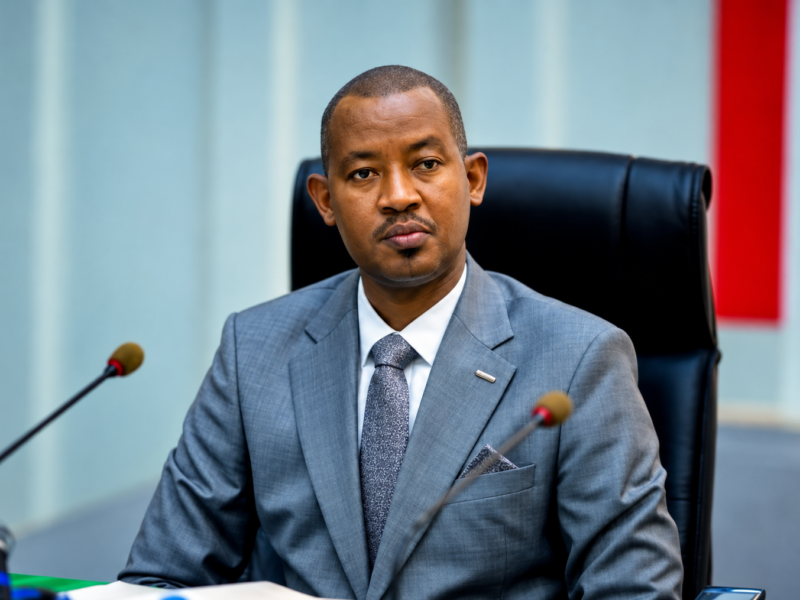
Huang Xia, the UN Secretary-General’s Special Envoy for the Great Lakes Region, said the meeting should help African countries strengthen and coordinate initiatives on youth and women, peace and security.
He also pledged continued UN support for young Africans working to consolidate peace and security. That regional dimension matters. The Great Lakes’ conflicts rarely respect borders.
Neither do displacement, environmental pressures or competition over resources.
A dispute that begins around land or water can become a political dispute. A political dispute can become a security crisis. And a security crisis can cross a border.
Preventing conflict therefore requires more than reacting once the shooting starts.
It requires dealing with the conditions that make confrontation possible in the first place.
Ndayishimiye has placed that argument at the centre of Burundi’s current African Union leadership. He has called for the continent to “silence the guns and consolidate peace”, linking peace to the movement of people and goods and to deeper African economic integration.
He has also urged young Africans to “change the narrative of Africa.”
For three days, Bujumbura has become a stage for an argument about Africa’s future. But participants who spoke to LionWeek note that the future will not be decided in the conference room. It will be decided in the village where two communities share a water source.
In the school where a teenager chooses education over recruitment. In the local council where a woman gets a meaningful say in how land is managed.
In the business where a young entrepreneur creates a job. And in the political institution where young Africans are finally allowed to help make the decisions that govern their lives.
The summit’s most important question, then, may be the simplest:
Will Africa’s young people and women merely be invited to discuss the future or will they finally be given the power to shape it?