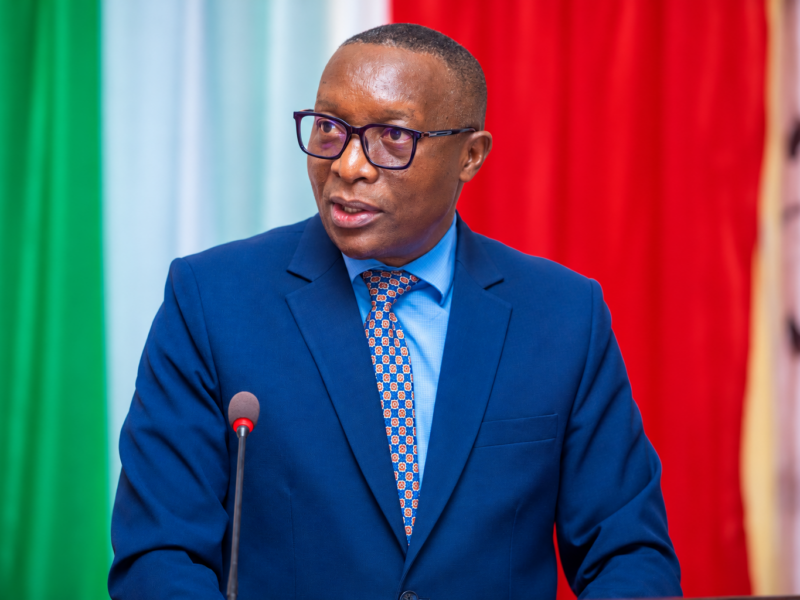
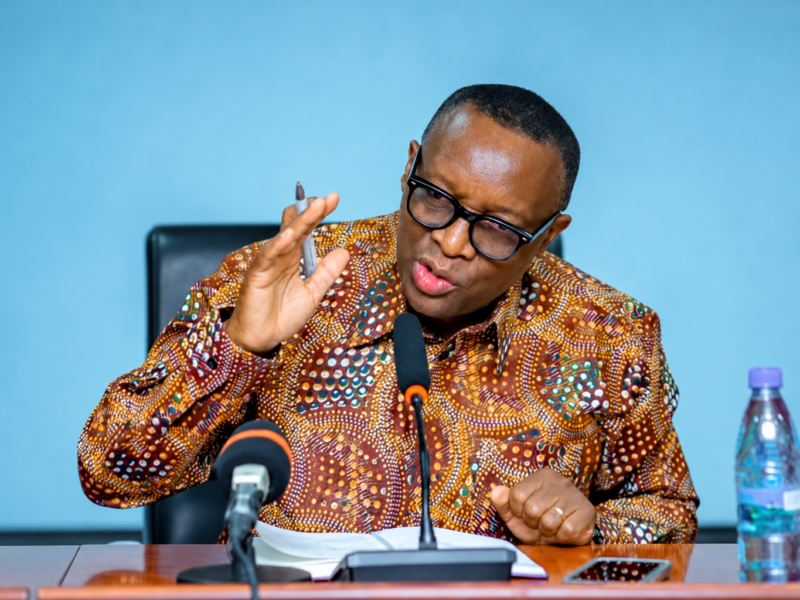
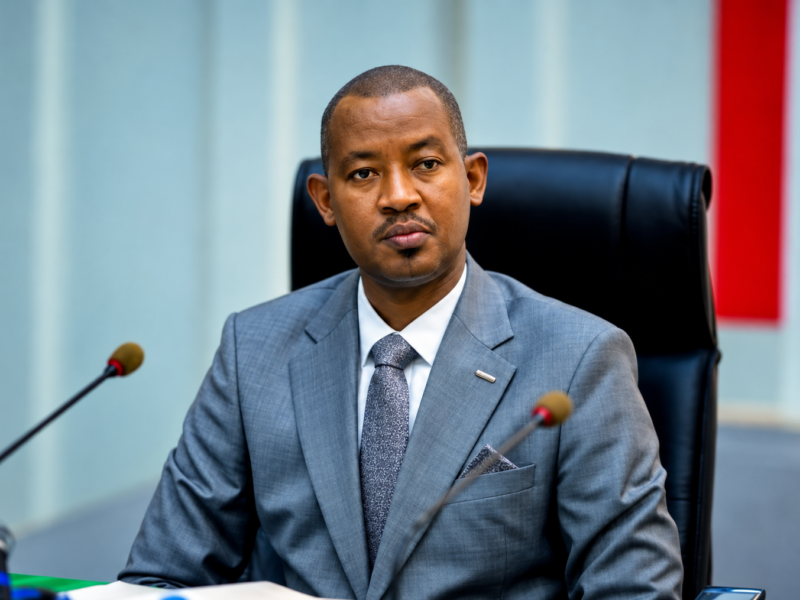
Burundi’s Supreme Court takes justice to the hills but will justice finally take root?
For more than twenty years, two Burundian families battled over three plots of land. Instead of summoning them to Bujumbura, the Supreme Court came to the disputed fields themselves. The unusual initiative promises faster, cheaper and more transparent justice, but can taking judges to the hills solve the deeper land conflicts that account for nearly 70% of cases before Burundi's courts?

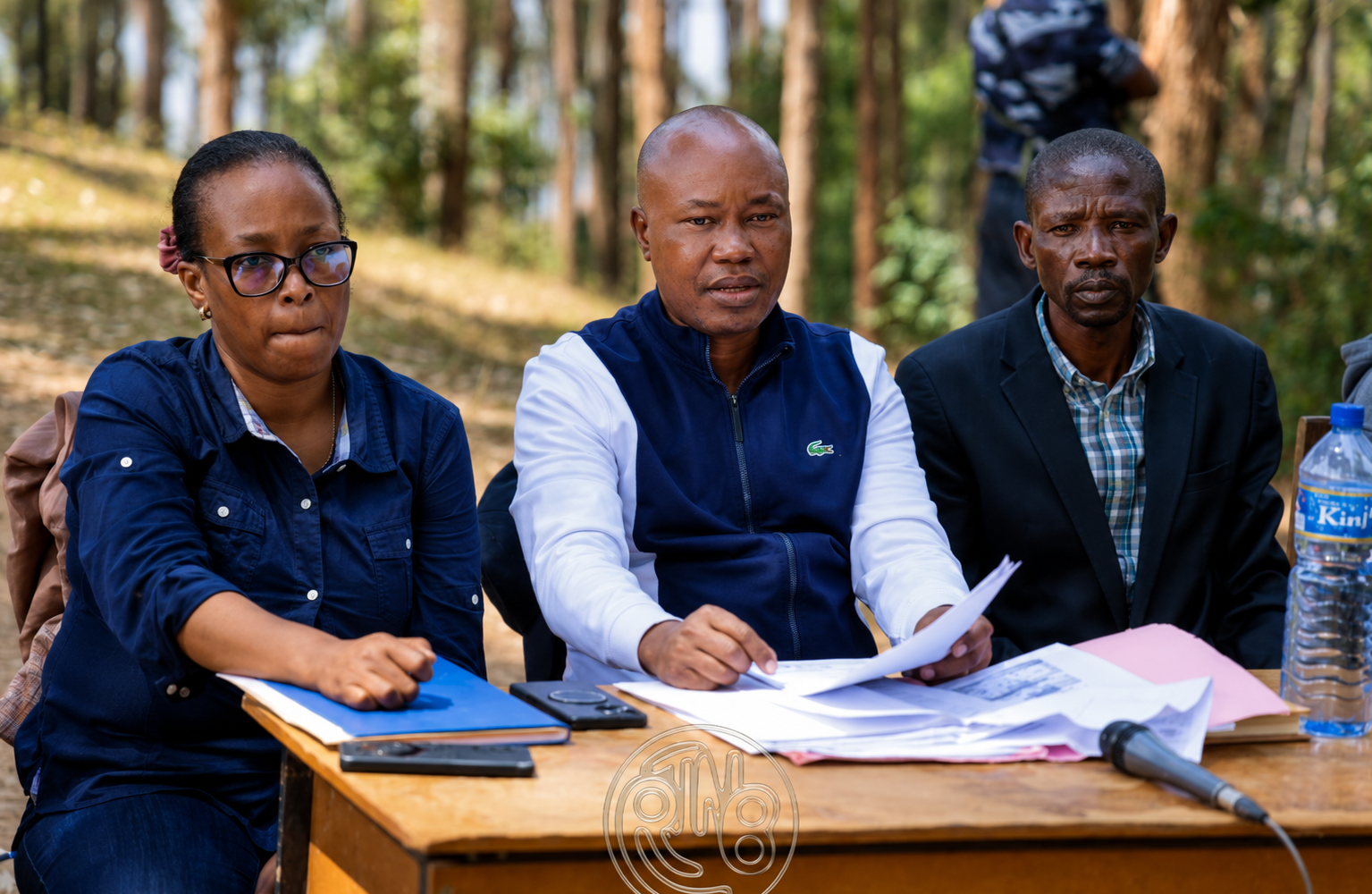
For more than two decades, two families in Burundi’s northern Kayanza Province fought over three plots of land. Hearings came and went. Judges changed. Years passed. The dispute outlived political cycles and, for some involved, much of a lifetime.
Last Thursday, however, the country’s Supreme Court arrived where the conflict had begun: on the disputed land itself.
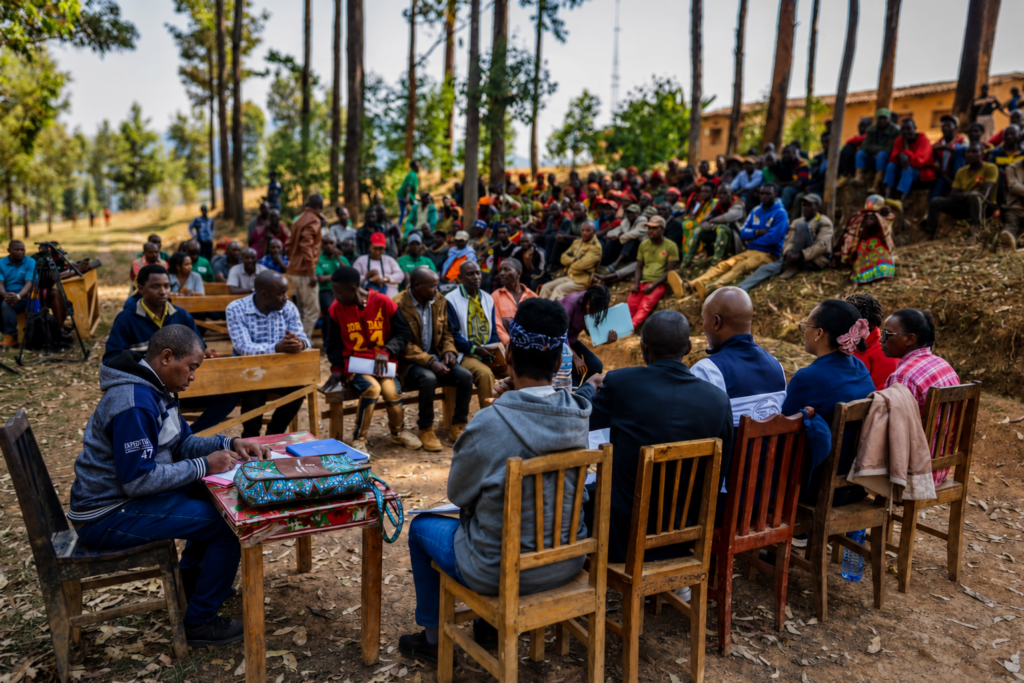
Under the shade of trees on Remera hill, in Muruta zone, Kayanza Commune, Burundi’s highest court heard the case between the families represented by Maurice Ndorukwigize and Evariste Mbazumutima. It was not a symbolic visit. The hearing formed part of a four-month campaign that has seen Supreme Court judges leave the courtroom in Bujumbura and travel directly to contested land across the country.
Often in Burundi, litigants spend years travelling long distances, paying transport costs they can scarcely afford, while files accumulate in court registries.
According to Gamaliel Nkurunziza, President of the Supreme Court, the campaign was launched to clear a backlog of 351 land cases pending before the court. Of those, 327 have already been deliberated. Once the remaining judgments are delivered, they will become final, leaving no further avenue of appeal.
The figures tell only part of the story.
Land remains Burundi’s most combustible legal issue. Around 70 per cent of all cases brought before the country’s courts concern land disputes, reflecting the intense pressure on one of Africa’s most densely populated nations, where inheritance, displacement and demographic growth continue to squeeze an already limited supply of arable land.
For the Supreme Court, hearing cases on-site is presented as more than an exercise in efficiency. Judges argue that seeing the terrain with their own eyes allows them to test competing claims against physical reality rather than relying solely on documents or testimony given hundreds of kilometres away.
Neighbours and local residents, often absent from conventional hearings, can also provide context that may expose inconsistencies in competing narratives.
“There are cases that began in the 1960s,” Nkurunziza noted. “Others involve people attempting to challenge ownership after someone has occupied land peacefully for more than thirty years, despite the legal principle of acquisitive prescription. Hearing cases on the land itself helps address these situations.”
The approach also carries an economic dimension.
For many Burundians, pursuing a court case can be ruinously expensive. Travelling repeatedly to the capital, accompanied by witnesses, frequently forces families to sell livestock or farmland simply to finance legal proceedings.
Patrice Misago, one of the litigants whose case was heard during the campaign, described the initiative as unprecedented.
“It is the first time in my life I have seen anything like this,” he said. “The judges came to us instead of making us travel. Fuel is expensive, and every hearing means transport, food and accommodation. Sometimes people have to sell an animal or even a piece of land just to continue a case about… land.”
His observation captures one of the paradoxes of Burundi’s justice system: disputes over property can themselves impoverish those seeking to defend it.
The campaign also aligns closely with President Évariste Ndayishimiye’s repeated calls for state institutions to become more accessible to ordinary citizens. Nkurunziza framed the initiative as part of that broader effort, arguing that citizens should not feel compelled to seek presidential intervention over land conflicts when functioning courts exist to resolve them.
Whether such mobile justice becomes a permanent feature of Burundi’s legal landscape remains uncertain.
Taking judges into the field cannot, by itself, resolve the structural pressures that fuel land disputes: population growth, fragmented inheritance, overlapping claims and weak land registration. Nor does it eliminate the broader challenges facing Burundi’s judiciary, including limited resources and public confidence.
Yet the experiment appears to offer something courts often struggle to provide: visibility. Justice delivered in the open, before neighbours and local communities, may be harder to contest than judgments handed down from distant courtrooms.
The initiative has been organised with support from the Burundian civil society organisation LADEC through programmes focused on citizen participation and the prevention of land conflicts, funded by Switzerland and the Netherlands. The projects operate in the Butanyerera and Burunga regions.
For LADEC’s executive director, Séverin Nibitanga, strengthening every actor involved in resolving land disputes, from village mediators to judges, is essential to preventing conflicts before they escalate.
Land disputes in Burundi rarely concern property alone. They shape family relations, community cohesion and, at times, local stability itself. If taking justice directly to the hills helps rebuild confidence in the rule of law, the Supreme Court’s four-month journey may prove to have been about far more than clearing a backlog.