A fresh wind of Hope from Bujumbura: The Chris Ndikumana phenomenon
What if Burundi's greatest export is not found in its soil, but in the words of one man?

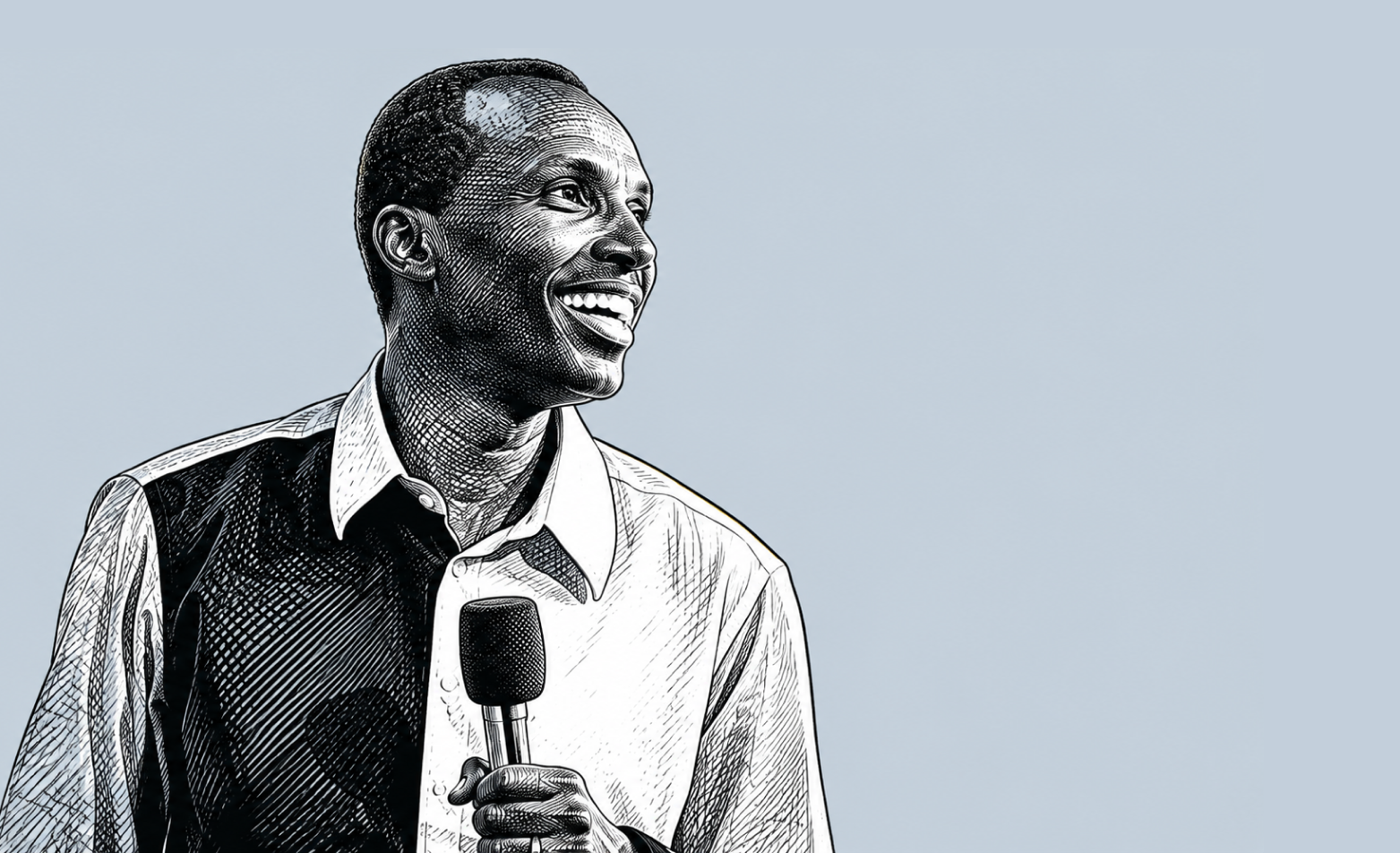
Some cities are known for finance. Others for fashion, or football, or whatever their tourist board decided to brand them as. Bujumbura has Lake Tanganyika, that easy Burundian warmth you feel the moment you land, and somewhat surprisingly if you haven’t been paying attention, an evangelist whose voice now shows up in the daily routines of hundreds of thousands of people scattered across several continents.
So today, let’s step away from politics for a bit. Away from the economic debates and the usual headline fires. Instead, let’s talk about someone who’s been quietly changing lives well outside Burundi’s borders: Chris Ndikumana.
Calling him “a preacher” undersells the whole thing, honestly. He’s become one of Burundi’s most recognizable cultural exports, spiritual or otherwise. Through his Kanguka (“Wake Up”) ministry and the daily audio messages he puts out, he’s built something close to a transnational communication network—though the people actually listening would just call it their morning dose of hope.
Every day, as the sun comes up somewhere over Africa, or Europe, or North America, somebody reaches for their phone and hits play on a recording made by a man from Bujumbura. It’s a small ritual, repeated by an enormous number of people, an odd kind of influence, one that doesn’t travel through political office or corporate money or celebrity gossip, but through a familiar voice saying something people need to hear.
Hope travels faster
Borders are stubborn. Hope, it turns out, isn’t.
What’s remarkable about Chris Ndikumana is not the fact that he can fill a stadium, plenty of entertainers manage that. What’s more interesting in my view is that he’s built a daily relationship with people he’ll probably never meet. His messages ride along with commuters in Brussels, students in Montreal, shopkeepers in Kigali, nurses in Nairobi, families back home in Bujumbura. Translated into French, English, and Kirundi, they carry Burundi’s voice well past its physical borders.
Philosophers have said for a long time that civilizations aren’t held together by economics alone. People survive on bread, sure, but they live on meaning. And what Ndikumana’s ministry really is, when you strip it down, is a distribution system for meaning. You could even say he exports optimism, a commodity that, unlike coffee, doesn’t crash when the markets do.
Governments spend fortunes trying to polish their image abroad. Sometimes, though, one person does more for a country’s reputation than any ad campaign ever could.
Think of South Korea, and how much of its global image was shaped by someone like David Yonggi Cho, whose ministry pulled visitors from around the world and turned Seoul into an unlikely pilgrimage site. That became part of Korea’s larger transformation story. Or the United States, Billy Graham advised presidents from both parties, was recognized on every continent, and ended up functioning as one of the country’s most effective unofficial ambassadors, all without holding office.
Ndikumana works on the same principle, just at a different scale and moment in history. Diplomats negotiate treaties; people like him have the potential to build relationships instead. Governments release communiqués; moral credibility opens doors that paperwork can’t. Influence doesn’t always show up in a suit. Sometimes it just carries a Bible and a microphone.
An untapped tourism opportunity
Burundi has stunning natural beauty, and yet tourism numbers stay well below what they could be. Now picture what happens economically once Bujumbura becomes known, really known, as home to one of Africa’s most influential evangelists (we once had a president who could preach).
Religious tourism isn’t some hypothetical. Millions of people travel every year for pilgrimages, conferences, crusades. Hotels fill up. Restaurants do well. Taxi drivers get a little friendlier. And somehow, coffee shops always figure out that “conference pricing” applies. When Ndikumana holds a major gathering, people aren’t just showing up for the sermon, they’re buying plane tickets, booking hotel rooms, hiring taxis, eating out, and picking up souvenirs. That’s economics dressed in its Sunday best.
Countries like Israel, Italy, Saudi Arabia, and South Korea figured out long ago that faith can be a serious revenue driver. There’s no reason Burundi couldn’t think the same way, if it invests strategically in religious conferences and the tourism infrastructure around them.
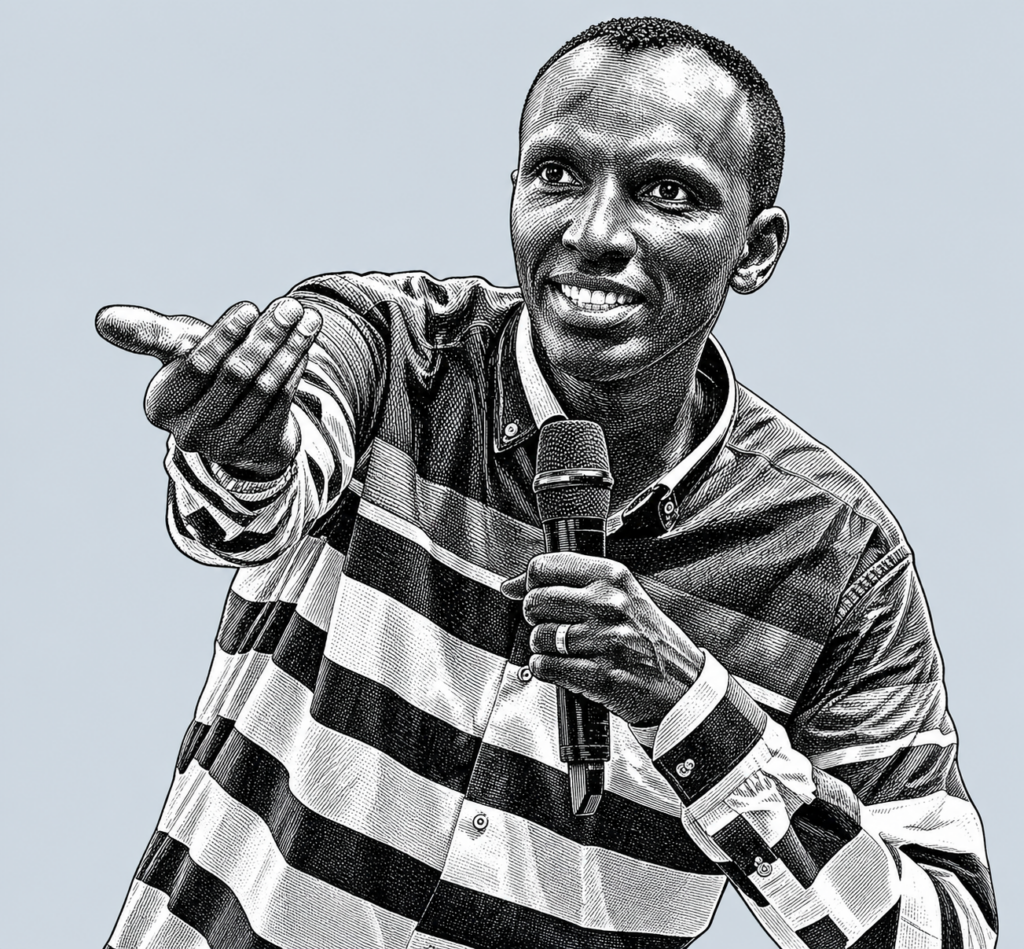
Ndikumana’s recent crusades across Africa have pulled in genuinely massive crowds, something like 200,000 people in Douala, Cameroon, huge turnouts in Libreville, Gabon, and hundreds of thousands at a crusade in Abidjan. Numbers like these always get argued over depending on who’s counting, but there’s not much doubt his ministry has become one of the most visible evangelical movements to come out of Central Africa in recent memory.
Crowds that size tell you something beyond attendance figures. They tell you about hunger, for meaning, for reassurance, in an age where we’re drowning in information but somehow starving for wisdom. It’s almost funny: people carry phones that can answer nearly any question except the one they ask most, quietly, to themselves: How do I find peace?
That’s the question his ministry keeps trying to answer.
Nations usually export coffee, minerals, musicians, athletes, maybe some tech talent. Burundi, it turns out, also exports hope.
Every time someone in London, or Toronto, or Brussels, or Nairobi shares one of his Kanguka messages, they’re, without really meaning to, learning something about Burundi. That’s soft power in its purest form. Joseph Nye, the political scientist who coined the term, described it as the ability to attract rather than force. Attraction breeds curiosity. Curiosity breeds relationships. And relationships, eventually, breed opportunity.
Ndikumana adds to Burundi’s soft power simply because, for a lot of people, his reputation arrives before the country’s name does. Many first hear of Burundi not through a history book or a diplomatic cable, but through the voice of one of its own sons. That’s not a small thing.
No nation flourishes on economics alone, and none prospers while ignoring the human spirit either. The healthiest societies build both infrastructure and inspiration at the same time. Roads matter. Hospitals matter. Schools matter. So does hope, you can’t pave a road with optimism, sure, but despair never built an economy either.
Wherever hope survives, you tend to find entrepreneurship, education, and reconciliation finding room to grow. Which is really why spiritual leadership shouldn’t be filed away as “just religion”, it shapes trust, resilience, volunteering, family life, and how people engage with their own communities.
Whether or not you agree with his theology is entirely your own business. His influence, though, is just a fact at this point, observable, measurable, hard to argue with. He’s taken a ministry that started in Bujumbura and turned it into an international movement, reaching people across Africa, Europe, and North America through daily broadcasts and massive crusades.
Burundi has already given the world athletes, artists, entrepreneurs, statesmen. Now add to that list a communicator whose words cross borders every single day. And maybe that’s the real irony here: plenty of countries dream of having a global ambassador who reaches millions without spending a cent on advertising or diplomatic airtime.
Burundi already has one.
His passport says Burundian. His audience says global. And somewhere out there, every morning, someone else hits “play”, letting a little fresh air of hope from Bujumbura travel farther than any plane ever could.
The LionWeek editorial team extends its heartfelt condolences to the families and loved ones of those who lost their lives in the tragic crowd crush in Kamenge. Our thoughts are also with those who were injured and everyone affected by this heartbreaking event. May the victims rest in peace, and may their families find strength and comfort during this difficult time.