Burundi faces dispute over planned reburial of President Melchior Ndadaye
More than three decades after his assassination, the memory of Melchior Ndadaye remains politically charged. A proposal to transfer the late president's remains to a new Heroes' Square has triggered sharp opposition from his former party, which denounces a unilateral decision by the government.

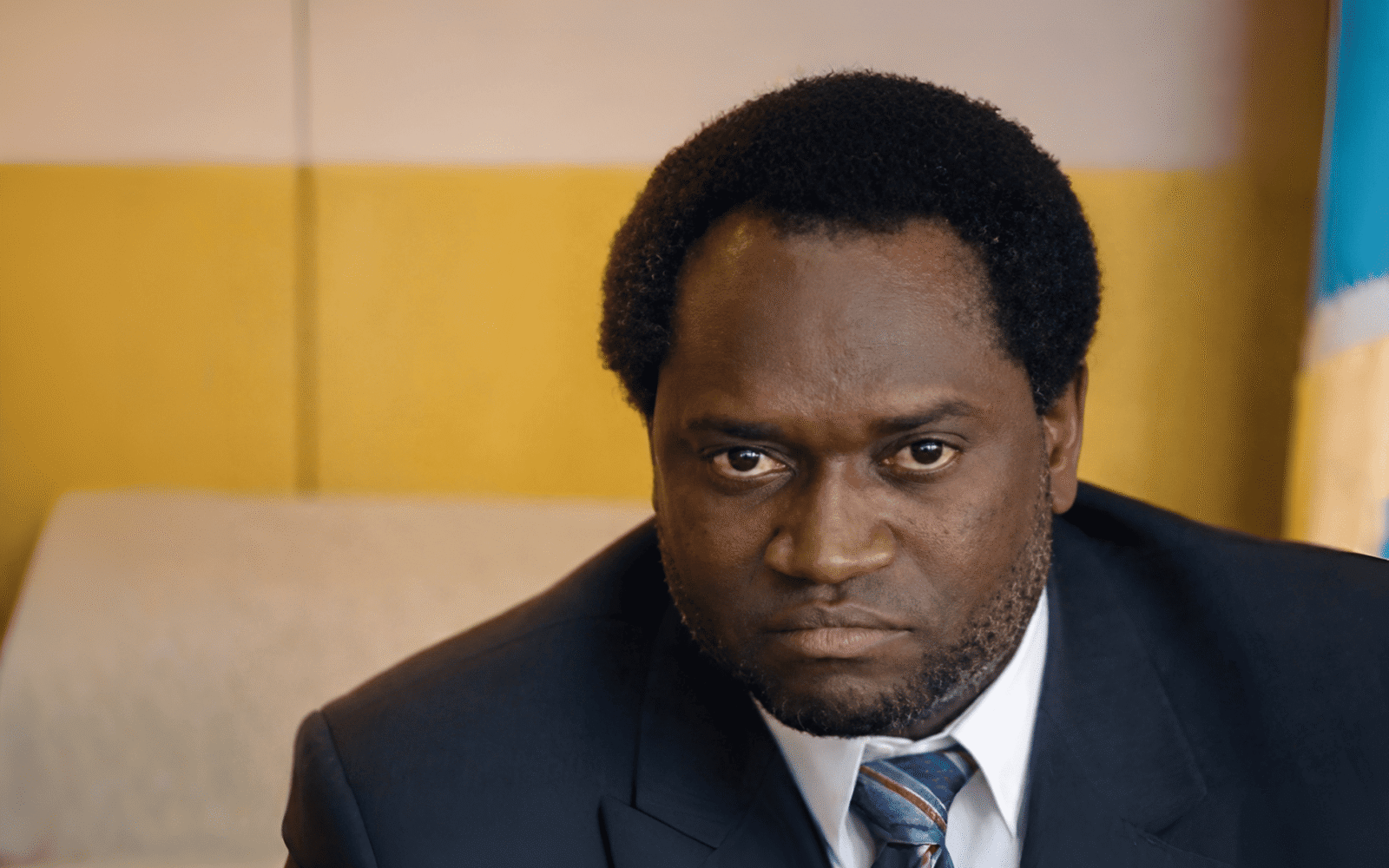
A government plan to transfer the remains of Burundi’s first democratically elected president, Melchior Ndadaye, to a new national memorial site has sparked criticism from his former political party, which accuses authorities of acting without consultation on a matter of national importance.
The controversy follows the presentation of Burundi’s 2026–2027 budget bill before Parliament, during which Finance Minister Dr Alain Ndikumana announced that 1 billion Burundian francs had been earmarked for the redevelopment of Kiriri’s Ubumwe site, which is to be renamed Heroes’ Square.
Under the project, the remains of several national figures, including Melchior Ndadaye, would be exhumed and reinterred at the site, where Prince Louis Rwagasore, the hero of Burundi’s independence, is already buried. The current Ndadaye memorial, located near Independence Square in central Bujumbura, would subsequently be converted into a cultural centre dedicated to the country’s historical heritage.
The initiative is presented by the government as part of a broader effort to create a unified national memorial honouring the country’s leading historical figures. Yet it has immediately encountered opposition from the Sahwanya-FRODEBU party, founded by Mr Ndadaye and long associated with his political legacy.
In a statement issued on Tuesday, the party said it had learned of the planned transfer “without prior consultation” with the former president’s political family, biological relatives, democratic forces or the Burundian nation at large.
Sahwanya-FRODEBU condemned what it described as a unilateral decision that risks undermining the memory of the man widely regarded as Burundi’s “Hero of Democracy”. The party argued that Mr Ndadaye’s legacy transcends political affiliations and belongs to the nation as a whole.
“Melchior Ndadaye embodies the democratic hopes of the Burundian people and the ultimate sacrifice for freedom, justice and peaceful coexistence,” the statement said. “His memory cannot be managed through administrative or political decisions taken behind closed doors and imposed on the Burundian people.”
The party has called on the government to suspend the project and initiate an inclusive national dialogue before any decision is implemented.
The dispute points to the enduring political sensitivity surrounding the legacy of Mr Ndadaye, whose assassination in October 1993, only months after becoming Burundi’s first democratically elected Hutu president, triggered a cycle of violence that profoundly shaped the country’s modern history.
More than three decades later, debates over how the nation commemorates its most emblematic figures continue to reflect broader questions about memory, reconciliation and national identity.