

Burundi senators question 20 percent pass mark used to hire justice ministry recruits
The justice minister told the Senate in Gitega that only 648 candidates passed this year's recruitment exam, against a need for 1,762 staff, and promised a new round in 2027.

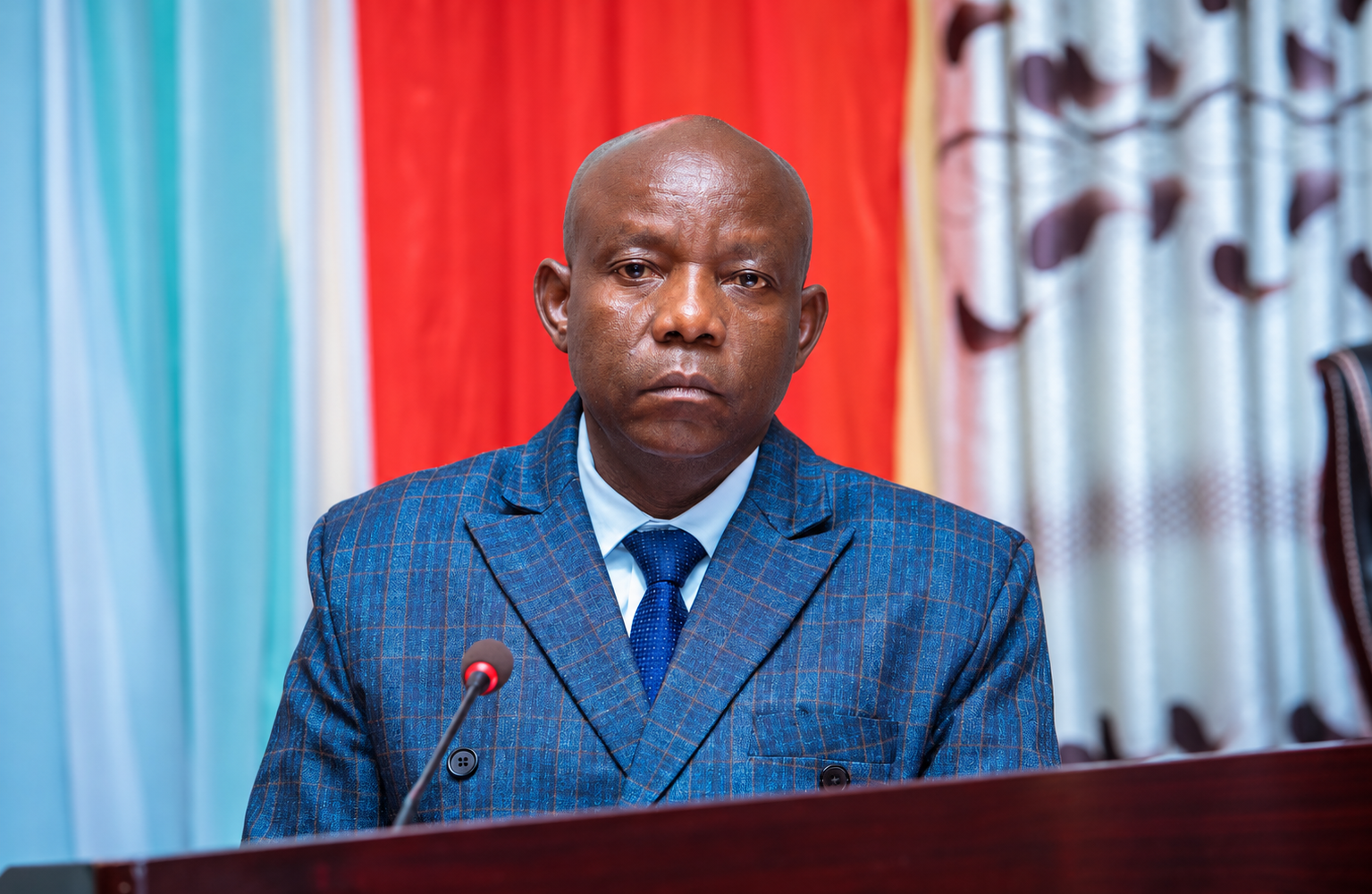
Burundian senators have raised doubts about the 20-out-of-100 pass mark used to select new recruits for the justice sector, warning that the threshold is too low for people entering a field where competence directly affects litigants. The ministry, for its part, says it remains far short of the staff it needs.
The exchange took place on Tuesday, 27 October 2026, when Alfred Ahingejeje, minister of justice, human rights and gender, appeared before the Senate in Gitega, Burundi’s political capital, to answer senators’ questions.
The figures he presented explain why the ministry is under pressure. According to the minister, 748 applications were submitted for the recruitment exam held on 23 July 2026. Of those, 692 candidates sat the test and 648 passed. The ministry had sought to fill 1,762 posts. Even with a pass rate of roughly 94 percent of those who took the exam, the intake covers little more than a third of the stated requirement, leaving a gap of more than 1,100 positions.
Senators argued that a mark of 20 percent cannot guarantee the quality of people who will serve in the justice system. They asked that future hiring give greater weight to candidates’ knowledge and academic training, so that recruits are assigned to work matching what they studied. They also called for professional placements, or internships, to give new staff the practical grounding needed to carry out their duties.
Mr Ahingejeje did not announce any change to the threshold. He told senators that the new recruits would receive the training required to work effectively. He also urged people sitting the entrance exam for the judiciary to treat it seriously and prepare adequately.
The minister attributed the shortfall partly to obstacles in the recruitment process itself. Some applicants who filed dossiers never sat the exam, he said, while others were found to be over 40, the maximum age allowed under the applicable rules. The 56 applicants who did not take the test account for part of the gap between applications and candidates; the minister did not say how many were excluded on grounds of age.
He told the Senate that a further recruitment drive would take place in 2027 and that the process would be organised so that those selected are suited to the posts they will hold. He did not give a date, a target number or any indication of whether the pass mark would be revised.
Concerns about competence in Burundi’s judiciary are not new in the Senate. In January 2024, senators held a plenary session on an oral question to the then justice minister, during which lawmakers suggested that competitive examinations be used for judicial recruitment to address problems linked to incompetence. The minister replied that the method had already been applied in the previous recruitment round and would be considered again for the next one, to replace retirees and staff who had moved to other posts. This year’s exchange suggests that the competitive exam is now in place, but that the debate has shifted to how demanding it should be.
The Senate also has a formal role in staffing the courts. In July 2023, senators met in plenary in Gitega specifically to approve candidate magistrates proposed for appointment to judicial posts, a step that gives the upper chamber a direct interest in the calibre of those entering the system.
Mr Ahingejeje has held the justice portfolio for less than a year. He was appointed by presidential decree on 23 January 2026, succeeding a predecessor who had served only a few months. During a field visit to Karusi in March, he said Burundi’s justice system was functioning normally and described fair justice accessible to all citizens as the priority.
The minister’s figures leave the ministry with a practical dilemma that the senators’ proposals would sharpen. Raising the pass mark, as senators implied, would likely reduce the number of successful candidates at a time when the ministry is already unable to fill two thirds of its vacancies. Keeping it low preserves numbers but invites the concern voiced in Gitega about the preparedness of new staff, a concern the ministry intends to address through training rather than tougher selection.
How the 2027 recruitment is designed, including the pass mark, any adjustment to the age limit and whether the professional placements requested by senators are introduced, will determine whether the ministry can close a shortfall that this year’s exam left largely untouched.