

Burundi unveils a National Ballet built around the sacred drum
At a culture ministry showcase in which young performers re-enacted resistance to colonial rule, President Évariste Ndayishimiye called for a national heritage centre and urged former colonial powers and their former colonies to move beyond the past together.

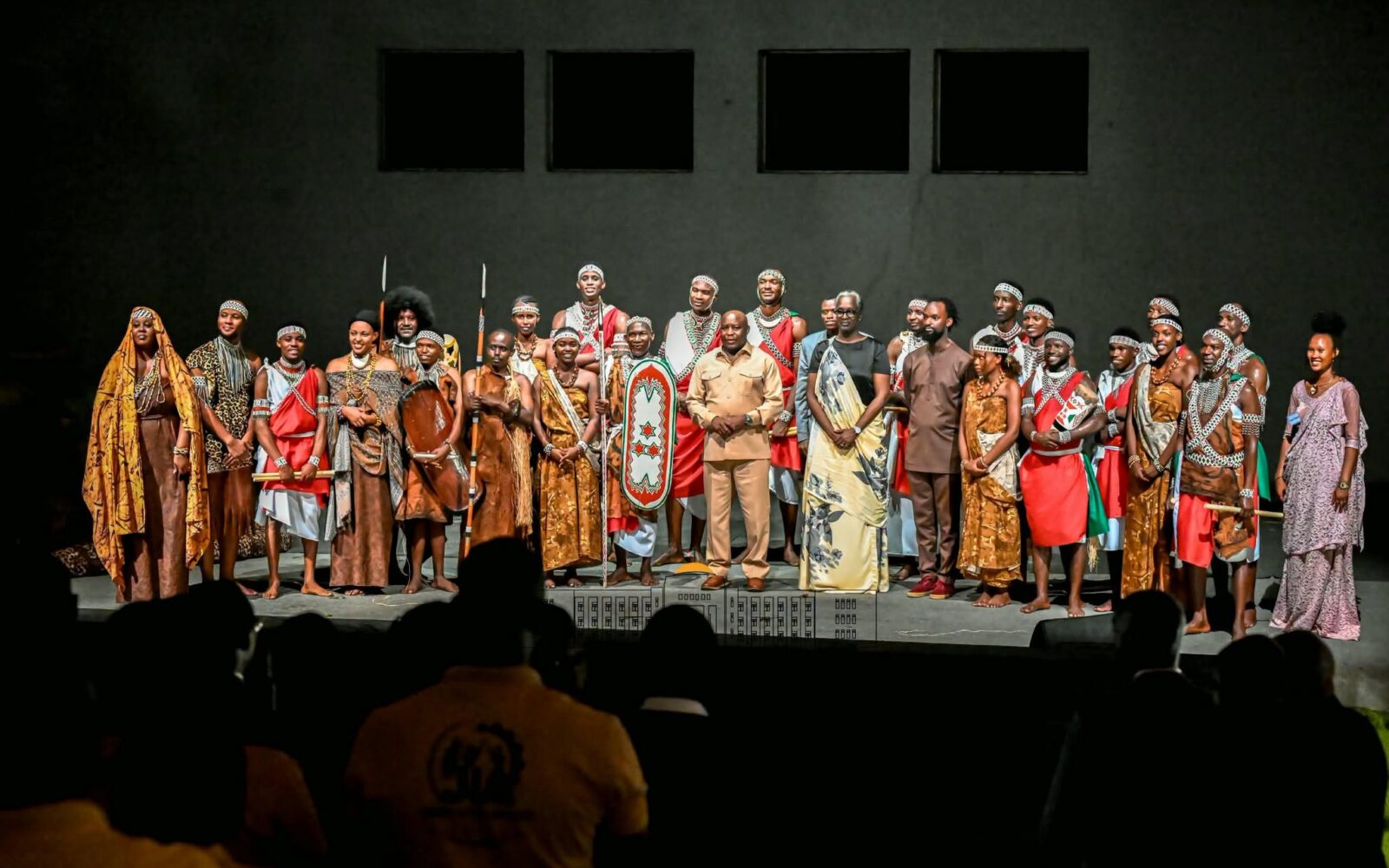
Burundi’s President Évariste Ndayishimiye attended the formal presentation of the country’s National Ballet on 20 October, a ministry of culture event at which he called for the construction of a national centre for cultural heritage and appealed to former colonisers and the countries they ruled to overcome a painful shared history.
The ensemble brings together stage directors and choreographers described by the presidency as internationally recognised, along with playwrights, dancers, actors, poets and drummers. Its first performance centred on the ingoma, the royal drum that Burundians treat as the emblem of national identity.
According to the official account of the evening, the young cast combined poetry, traditional dance and re-enactments of historical battles against colonial invaders, as well as a staging of the sacrifice of Bihome, a figure from Burundian tradition. Diplomats accredited to Burundi, senior state officials and young people were in the audience.
In his address, Mr Ndayishimiye described cultural values and traditions as the foundations of society. A return to cultural roots, he said, would help Burundians understand their identity, strengthen national cohesion and restore sound governance. He also pressed for a national heritage centre to preserve and promote Burundian identity. The presidency’s summary of the speech gave no timetable, budget or site for the project.
The drum at the centre of the performance carries considerable symbolic and political weight. The drumming tradition known locally as ingoma dates back to the 17th century and honoured the rule of the royal family when Burundi was a monarchy.
In 2014 UNESCO inscribed the ritual dance of the royal drum on its Representative List of the Intangible Cultural Heritage of Humanity, noting that it is performed at national and local festivities and to welcome important visitors. UNESCO’s description adds that the ritual is now used to transmit cultural, political and social messages and to bring together people of different generations and backgrounds.
The state has tightened its hold on that tradition in recent years. Under Mr Ndayishimiye’s predecessor, Pierre Nkurunziza, a presidential decree introduced strict controls on drumming, barring women from playing and limiting the ritual to official events. Private organisers who obtained permission to hire drummers were required to pay the Treasury a fee of about 245 euros.
That decree was signed on 20 October 2017, nine years to the day before the ballet’s presentation. Critics at the time saw it as a sign of tightening political control; Pacifique Nininahazwe, an exiled civil society leader, said the decree meant the drums no longer belonged to Burundian citizens.
An adviser to the culture minister, Aimable Nkunzumwami, argued that the government had a duty to protect the drum’s cultural identity, particularly after the UNESCO listing. Mr Ndayishimiye has made the drum a recurring feature of his presidency; he has urged Burundians to love the drum and teach it to the younger generation.
The president’s remarks on colonialism echo a long-running theme in Burundian official discourse. Belgian troops coming from the Congo conquered Burundi, then a district of German East Africa, in June 1916, and the territory remained under Belgian administration until independence in 1962.
In 2020, a Burundian report demanding reparations called on the government to recover pre-colonial cultural and philosophical values, seek compensation from those responsible for colonisation and teach colonial history from primary school through university. It also asked Belgium to open talks on repatriating archives relating to Burundi.
Mr Ndayishimiye’s tone on Tuesday was more conciliatory than that report’s. According to the presidency, he invited both colonising and colonised countries to set aside the wounds of the past and work, as a single people, towards an integrated world based on mutual respect, solidarity and understanding. He made no reference to reparations in the account released by his office.
The ballet’s launch places culture alongside more pressing domestic concerns. In August the government passed a general budget for 2026-27 of 7,014 billion Burundian francs, roughly $2.4 billion, in a country that remains among the poorest in the world by income per head. Whether the proposed heritage centre receives funding, and whether the National Ballet’s repertoire opens any space for the female drummers excluded since 2017, are questions the government has yet to address publicly.