

Burundi removes Espérance Ndayizeye from Media Regulator
President Évariste Ndayishimiye has replaced the CNC chairwoman as a council member after two years marked by disputes over election coverage, fuel-shortage reporting and sanctions against online media.

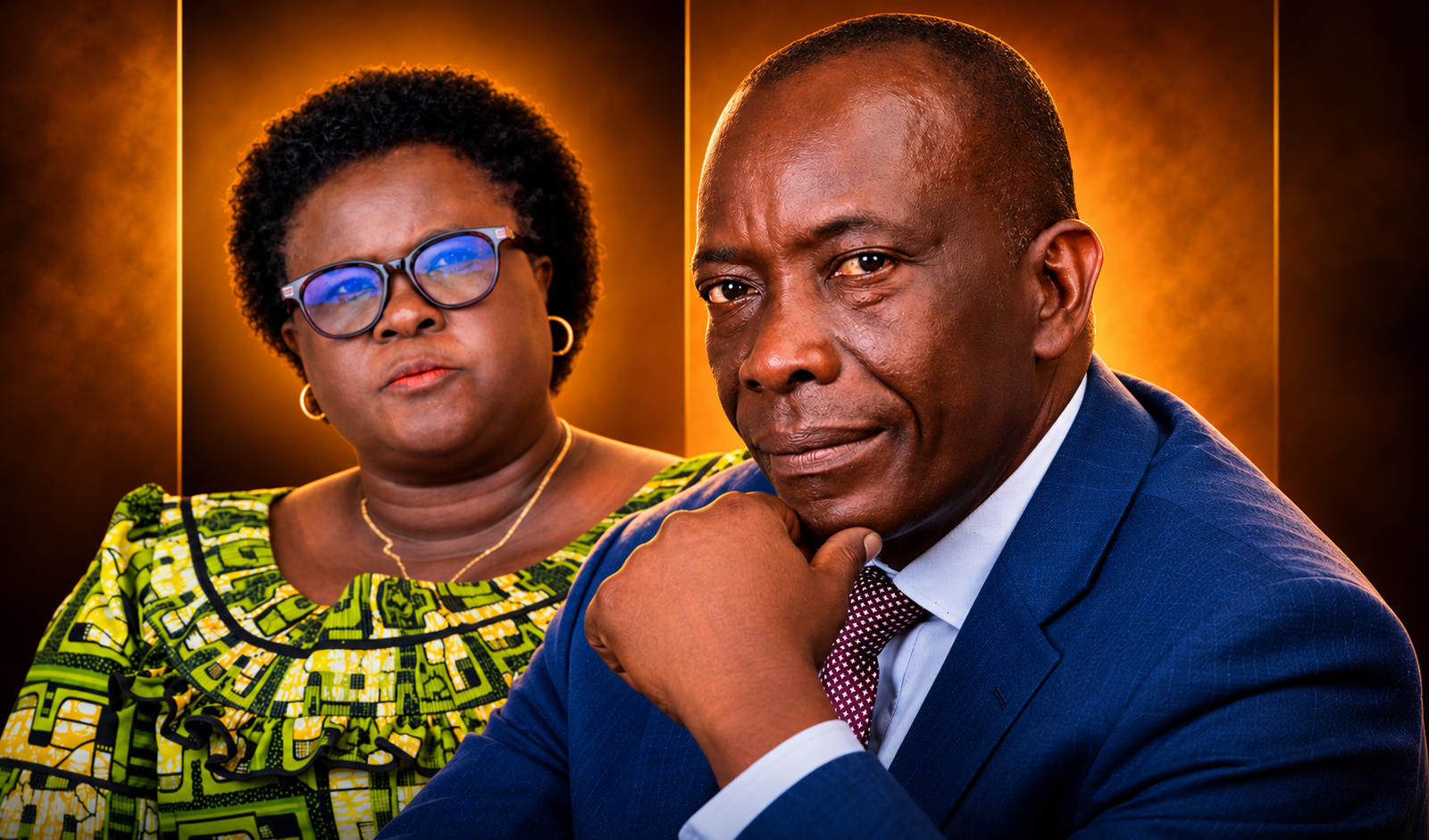
President Évariste Ndayishimiye has removed Espérance Ndayizeye from Burundi’s National Communication Council, ending her two-year tenure at the media regulator after a period in which several of its decisions brought it into conflict with journalists and independent news organisations.
A presidential decree signed on Tuesday appointed Nathan Ntahondi to the Conseil National de la Communication, or CNC, in Ndayizeye’s place. The decree changes the council’s membership but does not, by itself, make Ntahondi its chairman. Under the procedure followed when Ndayizeye took office in 2024, the council elects its own leadership from among its members. Ndayizeye was elected unanimously on July 4, 2024, after Ndayishimiye had appointed her to the council by decree days earlier.
No reason for Ndayizeye’s removal was stated in the information immediately available on Tuesday. Her departure nevertheless comes after a succession of contentious CNC interventions, including measures affecting online media in Burundi, restrictions on a planned joint broadcast about the country’s fuel shortage and, most recently, a ban on two popular songs.
On September 25, the CNC ordered traditional and online media operating in Burundi to stop broadcasting “Sokwe” by B-Face and “Niruze” by Big Fizzo. The regulator said the songs contained malicious, obscene, insulting and defamatory language contrary to Burundian standards of public morality, and warned media organisations that failure to comply could bring sanctions.
The decision followed an earlier confrontation with Yaga Burundi. According to information released by the outlet, the CNC suspended the programme “Umutumire wa Yaga” for six months in September after an interview with Bonaventure Niyoyankana, a former president of the Uprona party. Yaga had promoted the interview as a wide-ranging discussion of Burundian political life, including Niyoyankana’s assessment of the record of the government in power since 2005.
It was the second significant CNC action against Yaga during Ndayizeye’s tenure. On March 27, 2025, the regulator temporarily suspended the publication, saying there were doubts about the legal status of the association behind it, AJEBUDI. The Interior Ministry subsequently confirmed the association’s legal existence, and the CNC lifted the suspension on April 14.
The regulator also drew criticism in August 2025 when six media organisations sought to produce a joint programme examining the consequences of Burundi’s persistent fuel shortage for passenger and freight transport. Ndayizeye rejected the proposal, saying the outlets had presented insufficient new information and recommending that they identify another subject. Journalists involved described the decision as an infringement on press freedom.
The episode became more politically significant when Ndayishimiye himself publicly urged officials to allow journalists to expose problems so that solutions could be found. The disagreement placed the CNC’s restrictive approach under scrutiny from the presidency while shortages were imposing severe strains on daily economic activity.
Ndayizeye had entered the post promising a more protective relationship with journalists. A former journalist with Burundi’s state broadcaster and a former diplomat, she said after her election in July 2024 that protecting journalists was part of the CNC’s legal duty and pledged to promote access to information and a free press.
Her tenure soon coincided with the politically sensitive 2025 election period. In December 2024, the CNC introduced a media code of conduct that was signed by 59 of the 60 represented outlets. Among its provisions was a prohibition on publishing partial constituency results before authorisation from the Independent National Electoral Commission, or CENI. The CNC defended the text as consensual, while some journalists criticised the way it had been prepared and presented for approval.
Press freedom remains a contentious issue in Burundi. Reporters Without Borders says constitutional and statutory protections for expression coexist with extensive political influence over the media regulator. A revised press law adopted in 2024 partially decriminalised some press offences, including insult and harmful allegations, but concerns about regulatory pressure have persisted.
Ntahondi brings experience from both state media and telecommunications. A 2021 presidential decree appointed him director-general of Publications de Presse Burundaise, the state publishing organisation responsible for Le Renouveau and Ubumwe. He had previously headed its documentation department and has also worked in information and communications technology.
His appointment now opens a second question: who will lead the CNC. When Ndayizeye joined the council in 2024, her presidential appointment was followed by a separate vote among its members. The same institutional step will determine whether Ntahondi merely takes her seat or succeeds her at the head of one of Burundi’s most consequential bodies for the press.