 2:08
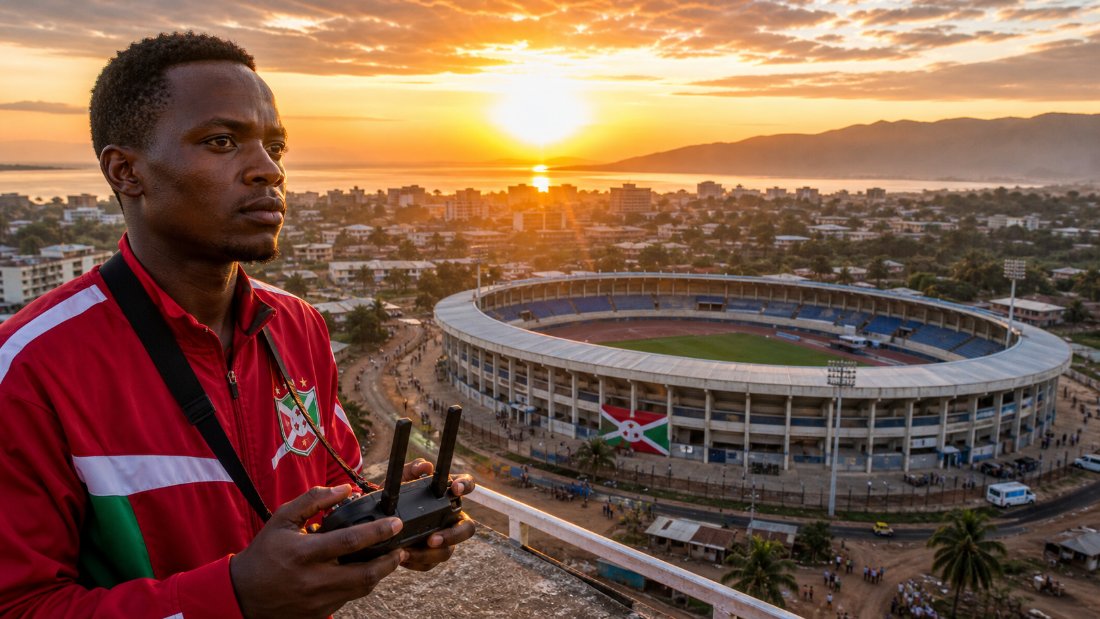
The Swallows’ qualifying campaign, in four minutes

Every goal, every turning point on the road that brought competitive football back to Bujumbura.
The numbers tell part of the story. Trade across the region has grown for three consecutive quarters, remittances from the diaspora are up, and the central bank reports that reserves have stabilised after a turbulent stretch. Economists caution that headline figures can flatter, but even the sceptics concede that the direction of travel has improved.
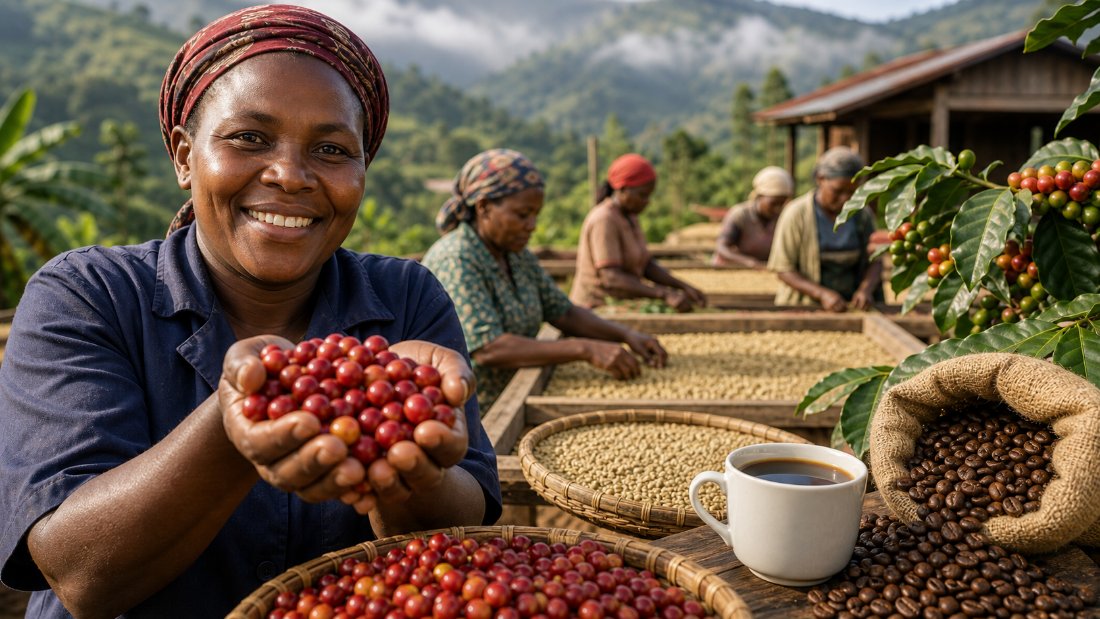
Out in the provinces, the picture is more textured. In Kayanza and Ngozi, cooperatives that spent years on the margins are suddenly fielding calls from buyers in Nairobi and beyond. In Cibitoke, where the border has long defined the limits of ambition, traders speak of routes reopening and of markets that had gone quiet coming back to life.
None of this happened by accident. Behind the visible milestones sit thousands of smaller decisions — a road graded here, a customs post digitised there, a young agronomist persuaded to stay rather than join the exodus. Taken together, they form the unglamorous infrastructure on which the more celebrated achievements ultimately rest.
Critics are not silent. They point to projects that overran, to budgets restated more than once, and to the gap that still separates the capital from the hills. Their argument is not that nothing has changed, but that the change remains fragile, and that a single bad harvest or a regional shock could undo years of patient work.
The view from the hills
For ordinary residents, the debate is less abstract. A teacher in Gitega measures progress by whether her pupils have textbooks; a nurse in the north measures it by whether the clinic has supplies; a coffee grower measures it by the price he is offered at the washing station. These are the metrics that decide whether a national narrative is believed.
The regional dimension is impossible to ignore. Burundi sits at the meeting point of several economies, and its fortunes are bound up with those of its neighbours. When the customs union works, goods move and prices fall; when it stalls, the frontier hardens and everyone pays a little more for a little less.
The frontier used to decide what was possible. Now we are starting to decide it for ourselves.
— a cross-border trader at Nemba
History hangs over all of it. A generation here remembers harder years, and that memory shapes how today is received. Optimism is rarely unguarded; it is held alongside a wariness earned the hard way. The achievement, when it is acknowledged, is acknowledged with one eye on how quickly such things can slip away.
What comes next will depend on whether the momentum can be sustained once the cameras leave and the speeches end. Institutions, not announcements, will decide that. The test is not whether something can be built, but whether the trust to maintain it can be cultivated and kept.
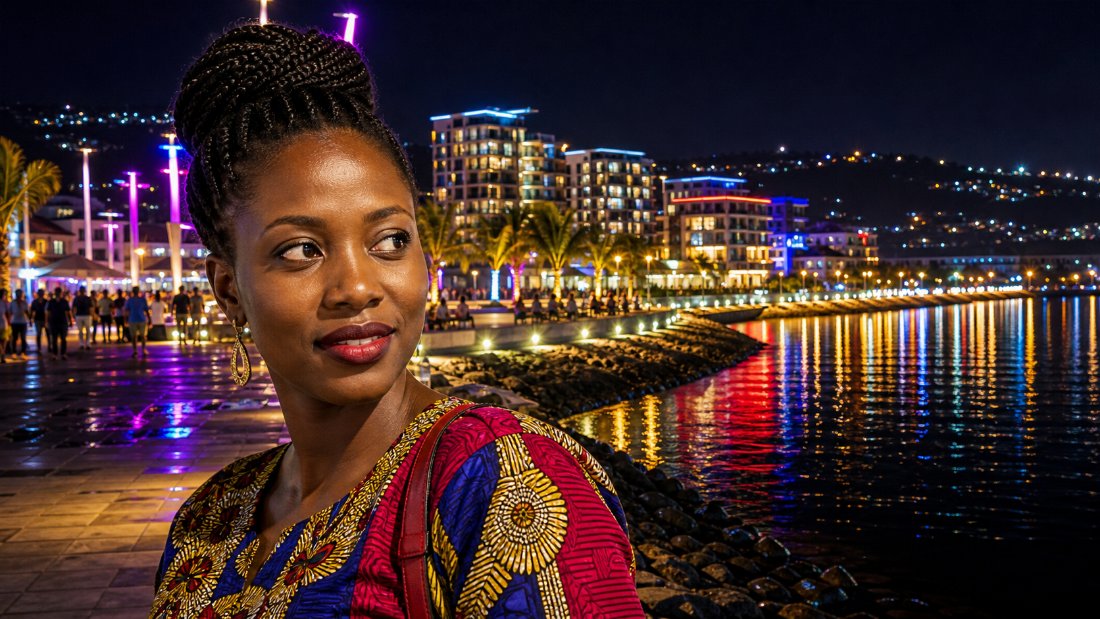
On the streets of the capital, the mood is cautiously hopeful. Cafés that empty at dusk fill again with talk of fixtures and politics and prices, and the conversations carry a confidence that would have seemed premature only a few seasons ago. Confidence, of course, is the most perishable of commodities.
The road from here
For now, the people most affected are getting on with it, as they always have. They plant and they trade and they teach and they play, and they watch the lake for the weather, and they wait to see whether this time the promises hold. The reporting that follows will keep returning to them, because in the end the story belongs to them.
The story begins, as so many here do, on the shore of Lake Tanganyika, where the morning mist still clings to the water long after the fishing pirogues have come in. For the families who live along this coast, the rhythms of the lake have always set the rhythms of everything else, and the past year has tested both in ways few expected.